E-readers have been getting smaller, and there is a niche appeal to that. A reading device that slips into a jacket pocket or clips magnetically to a phone case is a different proposition from a six or seven inch slab. I have not tested any particular model for this piece, so instead of a verdict, here is the framework I would use to decide whether a pocket e-reader is for you.
Who a pocket e-reader suits
A pocket e-reader is a good match for commuters who read standing on a train, people who want one-handed reading in bed, and travelers who count every gram. They also suit those who already read on their phone but want a calmer, glare-free screen without the notifications.
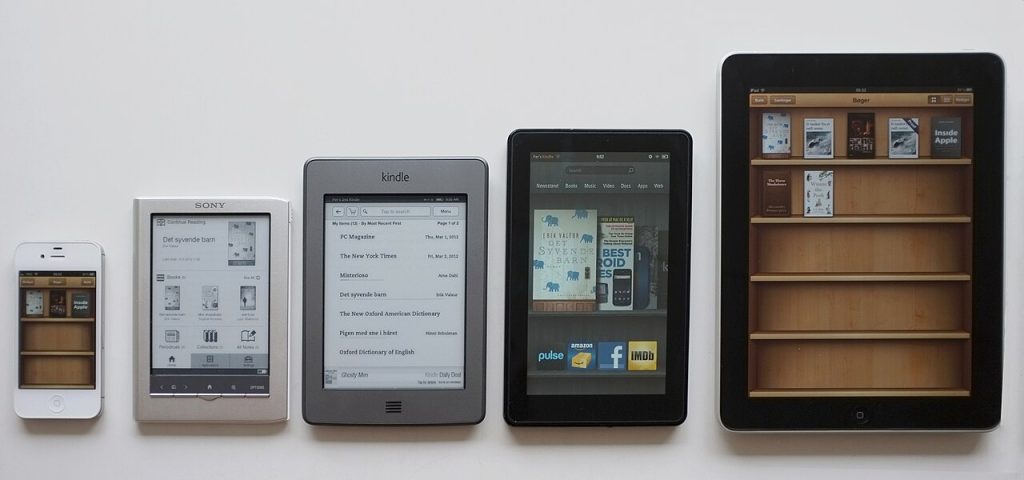
A pocket e-reader is less ideal for anyone who reads PDFs, comics, technical documents or anything with complex layouts. Small screens force a lot of zooming and scrolling, which defeats the point. A novel reader and a textbook reader are really shopping for different products, and the shop shelf rarely makes that clear.
Weight and grip matter as much as size. A very small device with sharp corners can dig into your palm after twenty minutes, while a slightly larger one with a rounded back disappears in the hand. Page-turn buttons are worth a look as well, since a tiny touchscreen is easy to tap by accident when you are holding it one-handed.
Pocket e-reader screens: size, sharpness and light
Screen size determines how many words fit on a page. On a pocket e-reader panel you will turn pages more often. That is fine for novels with flowing text and annoying for dense nonfiction. Check how the device handles font size and margin changes, because tiny screens make good typography settings matter more. A paragraph that wraps badly after every few words quickly becomes tiring.
Sharpness is measured in pixels per inch. Higher is better for crisp text, though most modern e-paper panels are perfectly readable. Compare actual photos of text rather than specification numbers alone.
A built-in front light lets you read in the dark, and warm, adjustable lighting is easier on the eyes at night. Make sure it is even and does not leave patchy shadows along the edges, a common complaint with cheaper devices.
Software is where small devices differ most
Hardware is easy to compare. Software is where the daily experience is made or broken, so it deserves a few direct questions:
- Which file formats work? EPUB is the standard for most books outside the big stores, and some devices also handle PDF, comics archives and plain text.
- How do books get onto the device: USB, wireless transfer, cloud library apps or store integration?
- Is it open, or locked to one store?
- Can you borrow from your local library service?
Devices tied to a store are simple but limit what you can read, while more open devices offer flexibility at the cost of some setup. Also ask how responsive page turning feels and how often the screen fully refreshes to clear ghosting. A device that flashes every page is a small irritation repeated three hundred times per novel.
Pocket e-reader battery, storage and the magnet question
E-paper only draws power when the page changes, so battery life is a strength of the category, often lasting weeks. A pocket e-reader has a smaller cell, though, so check real-world reports rather than the headline claim. Storage matters less than you might think, since books are tiny files, and a few gigabytes holds thousands of novels. The charging port and cable type matter more for convenience.
Some compact e-readers include magnets so they stick to the back of a phone or a metal surface. It is a clever idea, with caveats. Check that the magnet will not interfere with wireless charging or magnetic card holders, how well it holds up in a bag, and whether you would trust it to stay attached on a bumpy train ride.
Questions to ask before buying a pocket e-reader, and my view
Ask how you load your own books and whether you have seen that process demonstrated. Look for a decent return policy in case the size feels wrong in hand, and check whether the maker has a record of updating software after launch. Compare the price with a full-size entry-level e-reader from an established brand. Most of all, ask whether you will actually carry the pocket e-reader, or end up reading on your phone anyway.
A pocket e-reader rewards honest self-assessment. If your reading mostly happens in short bursts on the move, the convenience is real. Imagine a commuter with twenty minutes each way: a device that lives in a coat pocket might turn dead time into a book a fortnight. If you read long stretches at home, a bigger screen is more comfortable and often cheaper. The danger with small, cute devices is buying one because it is charming, then finding it sits in a drawer.
Handle one in a shop if you can, read a few pages and see how the text feels. Reviews are valuable, but your own eyes and thumbs are the final judge. In this category, comfort beats cleverness every time.
Related reading: Alexa Devices Compared: Which Display, Frame or Clock Fits Your Home and How to Read Phone Battery Claims Before You Spend the Money.
Photos: WrS.tm.pl (Public domain, Wikimedia Commons); Per Palmkvist Knudsen (CC BY-SA 3.0, Wikimedia Commons).