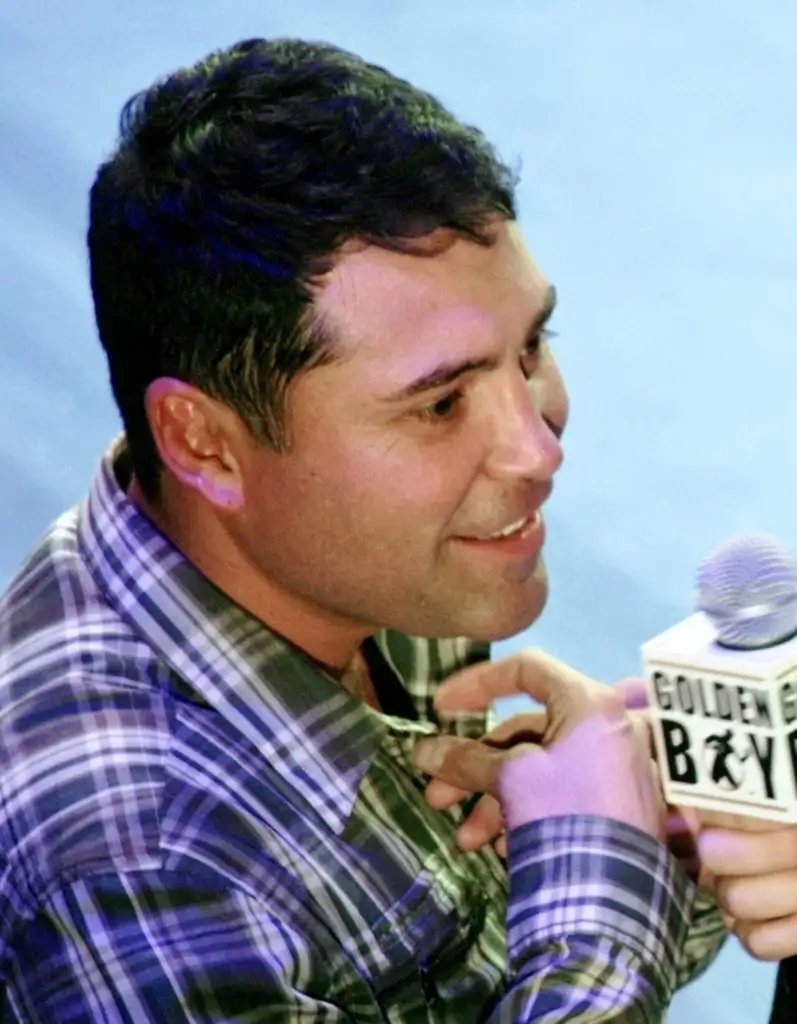
Oscar De La Hoya networth stories usually begin in the ring and end in the boardroom. The “Golden Boy” won an Olympic gold medal in 1992, became a world champion across multiple weight classes, and then founded Golden Boy Promotions. Public estimates of his wealth vary, so rather than quote one number I will lay out where the money has come from.
From Olympic gold to pro champion
De La Hoya’s profile exploded after the 1992 Barcelona Olympics, where he won gold at lightweight. He turned professional soon after and went on to win world titles in several weight classes. He fought many of the biggest names of his era, including Julio Cesar Chavez, Pernell Whitaker, Felix Trinidad, Shane Mosley, Floyd Mayweather Jr. and Manny Pacquiao, in fights that were marketed as major pay-per-view events.
Where the fight money came from
Boxing paydays come from several sources. For a star of his stature, those typically included:
- Purses. The guaranteed fee for the fight.
- Pay-per-view share. The bigger earner when a fight sells well.
- Sponsorships. Brand deals, apparel and endorsements.
- Gate and international rights. Often negotiated as part of the main contract.
His fights with Mayweather in 2007 and Pacquiao in 2008 were among the highest-grossing pay-per-view events in boxing history, according to widely reported figures at the time.
Building a business after the ring
The more durable wealth story is Golden Boy Promotions, which he founded in 2002. As a promoter, the company earns from event revenue, media rights and the promotion of other fighters. Over the years it has worked with a long list of champions and staged many large events in the United States and abroad. Promotions is a volatile business, because it depends on the quality of the fighters, television deals and streaming partners, but it gave him an income stream after retirement.
Why Oscar De La Hoya networth estimates differ
- Promotion company value is private and hard to price.
- Athletes’ lifetime earnings are often reported as career totals, not what remained after expenses.
- Public legal and business disputes have been reported over the years, which affects how people guess at his finances.
- Aggregator sites often use older figures.
Many sources describe his wealth as in the range of tens of millions to low hundreds of millions of dollars. I would treat any specific number with caution, and check Forbes for sports earnings reporting if you need one for a project.
Other ventures
He has been involved in beverage, media and other business interests beyond boxing, and he has had a public profile as a singer and a commentator at times. Each of these adds small to moderate amounts compared with his boxing and promotion income.
Lessons from boxers’ financial histories
Boxing is famous for fighters who earned a fortune and ended with little. The reasons are well documented: short careers, large entourages, advisers who take too big a cut and a lack of financial education. De La Hoya’s move to the business side is held up as a template for how a fighter can convert fame into a lasting company, though the promotion world has its own risks and rivalries.
What fighters can do differently
- Hire independent financial advisers and review contracts with lawyers.
- Reduce fixed costs while earning is high.
- Invest in assets that outlast a career, such as property or a business.
- Plan for the day the purses stop.
What his career shows about brand value
The nickname Golden Boy, the Olympic story and the marketable fights made him one of the best-known boxers of the 1990s and 2000s. That fame did more than earn purses. It gave him the credibility to start a company, attract fighters and negotiate with broadcasters. In wealth terms, reputation was an asset that kept paying after the final bell, a pattern common among athletes who successfully move into ownership.
Frequently asked questions
Did he earn more as a boxer or as a promoter?
Boxing delivered the biggest early paydays, while promotion provides ongoing business income. Exact comparisons are not public.
Is his net worth public?
No audited figure is. Everything is an outside estimate.
Is Golden Boy still active?
The company has continued to promote events in recent years, but check current news for the latest status.
In short
His wealth was built in two stages: world-title purses and pay-per-view shares, then a promotion company. For more on how sports fortunes are measured, visit InvisionFree.
Figures are estimates and change often. This is general information, not financial advice.