
Abandoned shopping carts are the great frustration of online retail. A shopper picks items, reaches the payment page, faces a long form and drifts away. One click checkout was designed to fix that, and entire startups have been built on the promise. When leadership at such a company changes, it is a good moment to ask how the technology works and why the business is harder than the pitch.
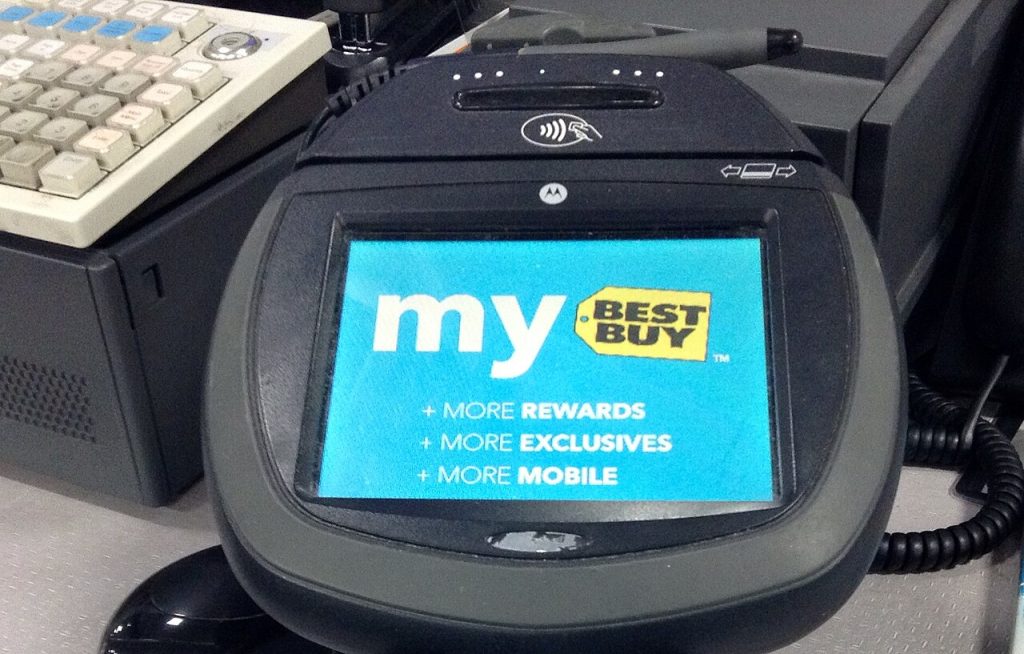
How one click checkout works
The idea is that a shopper’s details, such as shipping address and payment method, are stored securely and recalled with a single tap. The big marketplaces have offered one click checkout for years, Amazon’s 1-Click being the best-known case. Checkout startups try to give the same ease to every other retailer by creating a network of shoppers whose details are already saved.
Behind the scenes, three parts do the work: an identity layer that recognises returning customers, a vault that stores payment credentials safely under strict industry rules, and a connection to the merchant’s store that places the order. The shopper sees a button; the merchant sees a stack of integrations.
For shoppers, the experience depends on trust. Handing card details to a service you have never heard of feels different from using a name you know. Good one click checkout products therefore invest heavily in clear branding, simple opt-in language and easy ways to delete saved data. If a tool makes it hard to see what it stores, that is a warning sign for both customers and merchants. Mobile makes the stakes higher, because typing on a small screen is where long forms hurt the most.
Why a one click checkout business is difficult
A one click checkout product helps conversion, but it has to be installed on thousands of shops with different platforms, themes and quirks. Integration costs time for any one click checkout provider. Retailers are wary of putting a third party between them and their customers, and they worry about who owns the customer relationship and the data.
The network effect is a double-edged sword. A checkout network gets better when more shoppers are in it, but that takes many merchants, and merchants want many shoppers first. Solving that chicken-and-egg problem is expensive, and the incumbents, including payment giants and e-commerce platforms with their own checkout, are formidable competitors.
Mobile wallets and browser autofill have also narrowed the gap. Many shoppers can already fill a form with a single tap, so a new one click checkout service has to beat what their phone does for free. That is a fair test for any provider: show that your network adds something autofill does not, such as a shared identity across stores or better fraud checks. Retailers also drop payment options that cost too much, as explained in our piece on why some stores stop taking a favourite payment app.
Fees, trust and security
Merchants judge checkout tools by results: does it raise the share of visitors who complete a purchase, and at what price? Fees can be per transaction, a monthly subscription or a mix. Retailers should demand trials with measurable comparisons, ideally A/B tests, instead of trusting marketing numbers.
Security is non-negotiable in one click checkout. Storing card data triggers strict compliance requirements, and any breach would be devastating. Fraud is another problem: a fast checkout is also a fast path for a thief with stolen details, so good tools combine ease with risk scoring in the background.
What leadership changes usually signal
When a chief executive steps aside, observers love to speculate. The reality is usually mundane and varied. A founder might be better at building product than scaling a company. The board may want a different mix of skills as the focus shifts from growth to profitability. Sometimes there are strategic disagreements, and sometimes a person simply wants a new challenge.
What matters for customers is continuity. Does the product roadmap stay the same? Are support and uptime holding up? Are key engineers staying? A change at the top is a risk worth watching, not necessarily a red flag. For more on the pattern, see this look at why executives leave fast-growing companies. Founders who hand over the reins thoughtfully can leave a company stronger.
Founders rarely get a manual for this stage. Moving from a small team that ships quickly to a company with sales, support and compliance functions changes the job completely. Some leaders enjoy that shift and others do not, and recognising it early is a mark of maturity rather than failure.
A buyer’s checklist
If you run an online shop and are considering a one click checkout provider, ask these questions:
- How long has it been live, and with which kinds of merchants?
- What happens to my customer data if I leave?
- How does it handle returns, refunds and disputes?
- What is the uptime history, and who do I call when something breaks?
- How financially stable is the company, and what is my backup plan?
That last question sounds pessimistic, yet it is just good practice. Never let a single one click checkout vendor become the only way your store can take money.
One click checkout is a real improvement for shoppers and a useful lever for merchants, but the companies that build it face a long climb. Judge them on the evidence of results, not on slogans or personalities, and keep your options open as the market sorts itself out.


