
You reach the end of an online order, look for your usual payment button, and it is gone. Nothing was announced, and the store simply stopped offering it. If you have wondered why a payment app checkout option can vanish, the reasons are usually practical rather than dramatic, and knowing them helps you plan around the change.
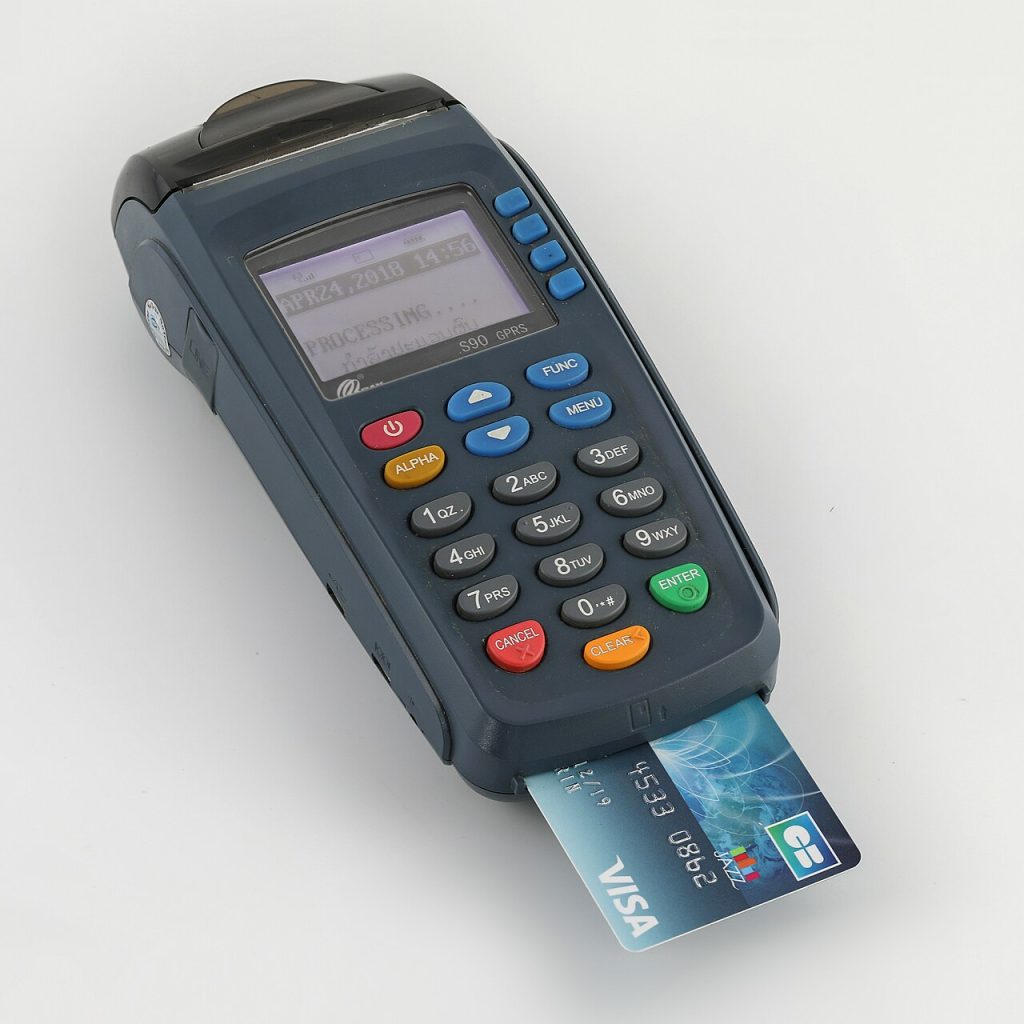
Here is how retailers think about the buttons they put in front of you, and what you can do when your favorite one disappears.
Every payment method has a price tag
Accepting a payment is never free for a merchant. Each method comes with processing fees, and they differ between cards, wallets, bank transfers, and buy-now-pay-later services. For a business selling low-margin goods, a small difference in percentage adds up quickly across thousands of orders.
A store may therefore decide that a certain payment app checkout button costs more than the extra sales it brings in. If most customers who use that button would simply pay by card instead, the retailer loses nothing by removing it and saves money. If customers abandon the order, the calculation flips. Retailers test this carefully, because dropping a popular option can reduce sales.
Why a payment app checkout takes real work
Each payment option needs to be connected to the store’s website, app, and back-office systems. Refunds, receipts, tax handling, and reporting all have to work properly. When the payment company changes its technical requirements, the retailer must update its own systems to match.
Small shops often rely on a payment provider that bundles several methods together, so adding or removing a method is a setting rather than a project. Larger retailers with custom systems face more effort to run a payment app checkout. If a payment app checkout feature breaks often or requires constant maintenance, the engineering time it eats may not be justified by the number of people who use it.
Fraud and disputes matter
Every payment method has its own pattern of fraud and chargebacks, the disputes where a customer asks the bank to reverse a payment. A retailer that sees more problems from one payment app checkout method may restrict it, add extra checks, or remove it altogether.
Protection rules differ too, so each payment app checkout option carries its own balance of risk. Some methods favor the buyer in a dispute, others favor the seller. A merchant dealing with expensive items such as electronics may be more cautious about the options that make it easy to reverse a transaction. This is not about distrusting customers. It is about managing risk across a very large number of orders, most of which are perfectly honest.
Sometimes a payment app checkout decision is not about cost at all. A retailer may sign an exclusive or preferred deal with one payment company in exchange for better rates, promotion, or shared data. Others may be building their own payment system or loyalty wallet and want customers to use it instead.
Disagreements also happen. A payment company and a retailer may fail to agree on fees, data sharing, or branding, and the button quietly disappears while they negotiate. Sometimes it returns later on new terms. From the shopper’s seat you see only the missing option, not the conversation behind it.
What changes for you, and how to stay safe
In most cases the practical impact of a missing payment app checkout is small. You pay by a different method, perhaps a card you already have on file. Check the order total before you confirm, because some methods carry rewards or protections that others do not. If you were using the missing option to keep a card number off the retailer’s site, paying by card means entering it manually, so make sure the page is genuine.
Scammers like moments of change. A message saying that your payment app checkout option has been disabled and you must confirm your details through a link is a classic trick. Do not click it. Go to the store or the payment app yourself, using the official app or a web address you type, and check your account there.
Be cautious, too, about pages that offer an unusual payment app checkout method you have never seen at that store. Fake shops sometimes ask for bank transfers or gift cards because those are hard to reverse. If a legitimate store you know has simply dropped one option, it will not ask you to use a stranger’s payment route instead.
Practical habits help. Keep more than one payment method set up so a single missing option does not block a purchase. Look at the store’s payment help page, where retailers often list what they accept and why things changed. And if you rely on a particular method for budgeting or rewards, tell customer support. Retailers do listen when many people complain, and a flood of questions has brought back more than one option.
Will it come back?
Sometimes, yes. Retailers revisit decisions as fees change, as customers ask, and as technology improves. A payment app checkout that was dropped for cost may return when a new agreement lowers the price, or when enough shoppers say they will go elsewhere.
Often that payment app checkout option does not return, and the store settles on the methods that work best for its business. That is why it helps to treat any single payment option as a convenience rather than a promise. The money you spend is the same whichever button you press, and a calm, careful approach protects you better than loyalty to one app.
For a neutral background reference, the Wikipedia article on Mobile payment is a useful place to start.
Related reading: Retailer Payment Apps and Pay-in-4: What Shoppers Should Know and Why Digital Payment Fees Spark Fights With Retailers.
Related reading: Why Online Stores Keep Adding More Payment Options at Checkout.
Related reading: Why Some Retailers Are Slow to Accept Apple Pay and Google Pay.


