Asking when is the next iPad Pro coming out is a bit like asking when it will rain next week. You can look at patterns, you can read forecasts, but only the company knows for sure and it rarely says until the invitation goes out. Still, you can make a smart buying decision without a date. Here’s how.
Why nobody can give you a firm date
Apple doesn’t pre-announce products. It sends event invitations a week or so ahead, or releases devices through a quiet press release. Everything before that is speculation, however confident the headline sounds.
That doesn’t make all rumours equal. Some come from supply chain reporters who track component orders and factory schedules. Others come from analysts guessing based on past habits. And a lot come from social media accounts that recycle each other. The more specific and sourced the claim, the more weight it deserves. Even the best sources get timing wrong, especially when a part runs late.
Reading release patterns
Past behaviour is a useful, if imperfect, guide. Tablets and laptops from big makers tend to follow a rough rhythm: a major refresh every year or two, often tied to a new chip generation, with spring and autumn being common windows. But rhythms shift. A redesign, a new display technology or a supply problem can delay a launch by months.
So instead of fixating on a month, think in ranges. If your current device is about two years past its last refresh, a new model is probably close. If it was only just updated, expect a longer wait.
Signals worth watching
- Retail stock behaviour. When authorised resellers run down inventory or stop restocking, a replacement is usually near.
- Software betas. Operating system previews sometimes hint at features that need new hardware.
- Regulatory filings. Radio and safety certification databases occasionally list unreleased models, without names or details.
- Price drops on current models. Discounts from third-party stores can signal clearance.
Should you wait or buy now?
This is the question underneath the question. Run through a few honest checks.
- Does your current device still do the job? If so, there’s no emergency. Waiting costs nothing.
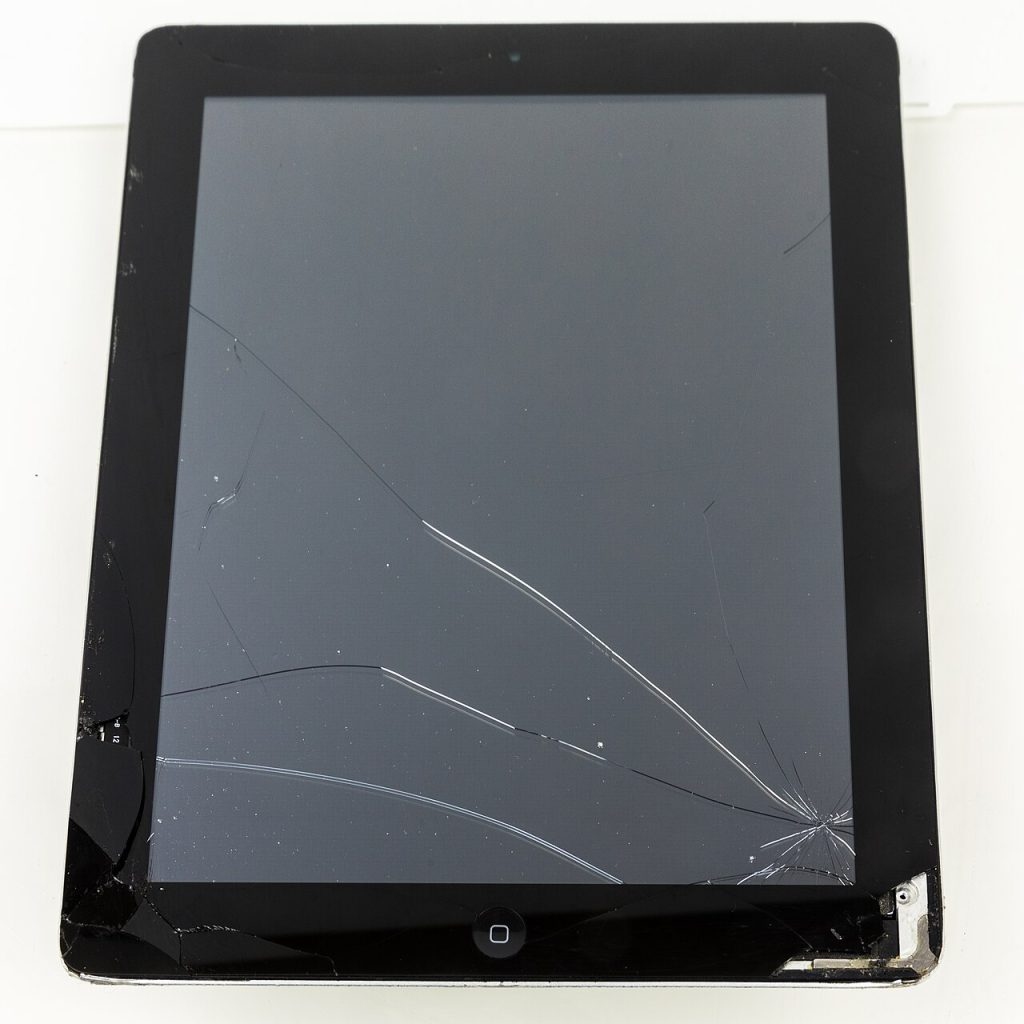
- Is something actually broken? A cracked screen or dying battery changes the maths. A device you can’t use is more expensive than one you bought a month before a refresh.
- Do you need a feature you know the next model lacks? If not, last generation is often the sweet spot.
- Do you have a deadline? A new job, a school year or a trip may matter more than rumours.
A useful rule: buy when the need is real, not when the rumour mill is loud. There will always be a newer model on the horizon, so the perfect time to buy never arrives.
The case for buying the previous model
When a new tablet launches, the older one often gets a price cut or shows up in refurbished lists at a discount. The performance gap between two generations is, for most people, small. If you’re taking notes, sketching, editing photos or watching video, a model one step behind is usually plenty. Heavy video editing or demanding creative work may justify chasing the latest chip, but be honest about whether that’s you.
If you do buy older stock, check the warranty and return policy, battery health for used units, and whether the model still gets software updates. Longevity of updates matters more than a faster chip you’ll rarely push.
Accessories can tip the decision
Keyboards, pencils and cases are often tied to specific generations. A new model may need new accessories, which adds to the real cost. Before you buy, check what you already own and whether it’ll work.
What to do while you wait
If you decide to hold off, set a simple trigger instead of refreshing news pages. For example: ‘I’ll buy when the new one is announced, or in three months, whichever comes first.’ That keeps you from drifting. And use the time to check what you actually need: storage size, screen size, cellular or wifi only.
The honest answer to the original question is that the next iPad Pro will arrive when it arrives. What you control is your own timeline, and that is a better thing to plan around than a leak.