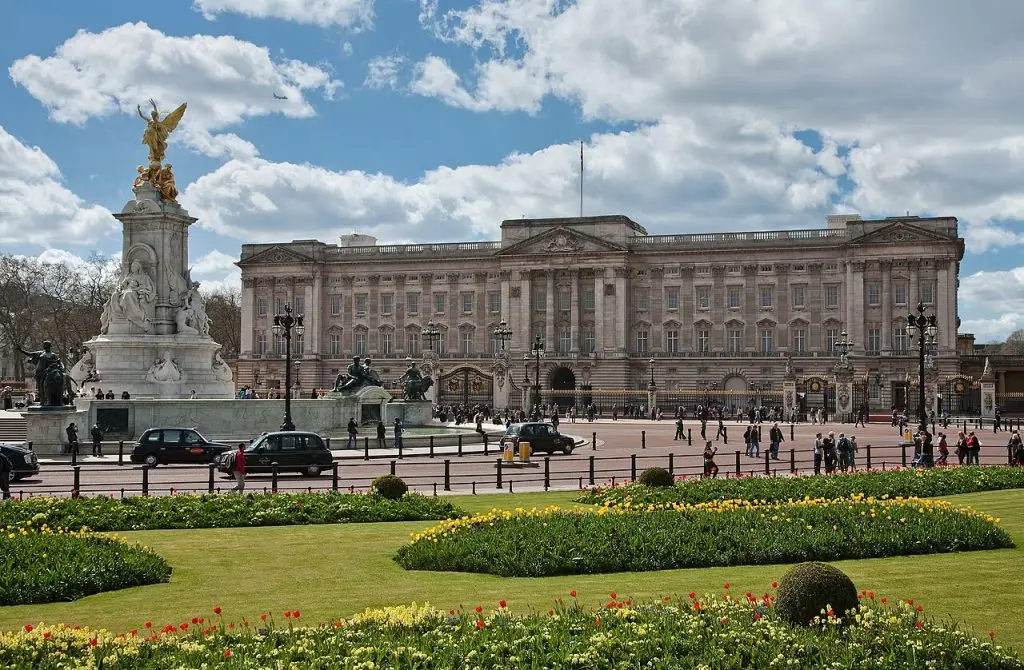
Getting a straight answer on the networth of the royal family is difficult because most of what people picture as royal wealth does not belong to the individuals. Palaces, the Crown Estate and the crown jewels are held for the nation or the institution, while the family’s private wealth is smaller and mostly undisclosed. This guide sorts the pieces into the buckets that actually matter.
The myth: one giant family fortune
Headlines often add up everything royal and present it as one pot. In reality, there are at least four separate categories, and mixing them gives numbers that mean nothing.
Bucket 1: The Crown Estate
The Crown Estate is a large portfolio of property, including much of central London’s Regent Street and St James’s, rural land, and the seabed around England, Wales and Northern Ireland. It is owned by the monarch as a role, not as a private person, and its profits go to the UK Treasury. In return, the monarch receives the Sovereign Grant, a share of those profits that pays for official duties and the upkeep of royal palaces. Since the Crown Estate’s profit has risen with offshore wind leasing, the grant formula has been adjusted in recent years.
Bucket 2: The Sovereign Grant and public funds
This is money for official work, such as staff, travel and maintenance of occupied palaces like Buckingham Palace. It is public funding with annual reporting through the Sovereign Grant report, and it is not personal wealth. Security costs are covered separately by government budgets.
Bucket 3: The duchies
The Duchy of Lancaster provides income to the sovereign, and the Duchy of Cornwall provides income to the heir to the throne. These are private estates in the sense that they produce income for the holder, but the capital is held in trust and cannot simply be sold off by the person who benefits. Their accounts are published annually.
Bucket 4: Private wealth
This is the part that comes closest to a normal net worth. It includes private homes such as Sandringham and Balmoral, which are owned personally by the monarch rather than as part of the Crown Estate, plus investments, art, stamp and other collections, and inheritance. Estimates for King Charles from outlets such as the Sunday Times Rich List have been in the several hundred million pound range in recent years, but methods are not transparent, and the royal household does not confirm them. Check the latest edition for a dated number.
Why the networth of the royal family keeps changing in headlines
Several factors drive the shifting claims.
- Different definitions. Some lists include the Crown Estate and some do not.
- Valuing art and heritage. The Royal Collection is held in trust for the nation, and placing a price on it is both difficult and misleading.
- Inheritance tax rules. Transfers between sovereigns have had special arrangements, which affects what is passed on.
- Different members. Individual royals such as Prince William, Prince Harry and others have their own incomes, and those are separate again.
Individual members
Prince William receives income from the Duchy of Cornwall (now known to many as the Duchy for the heir). Prince Harry stepped back from royal duties in 2020 and has earned income through book deals and media projects, including his memoir Spare. Other members have jobs, businesses or inherited wealth. There is no useful single number covering all of them.
What the public actually pays for
The Sovereign Grant report lists spending openly, and people debate whether the monarchy provides value through tourism, ceremonial duties and the diplomatic role of the Crown. Supporters and critics use different calculations, and neither can be settled by a net worth figure.
How to read future claims
- Ask whether the figure includes the Crown Estate.
- Ask whether it treats the Royal Collection as personal property.
- Look for the source and date.
In short, the networth of the royal family should be split into public, trust and private pieces. The private portion is much smaller than the headline totals, and the best sources are the annual published accounts, the Sunday Times Rich List and Forbes.
Questions readers ask
Does the King pay tax? The monarch has voluntarily paid income and capital gains tax since 1993, according to the Royal Household, though inheritance arrangements are special. Who pays for palaces? Public funds through the Sovereign Grant cover occupied palaces, while private estates such as Balmoral are paid for from private income. These distinctions explain why the networth of the royal family cannot be summed up in one figure and why careful sources give separate numbers for each part.
This article is general information, not financial advice.
Related reading: What Is the Networth of the Royal Family? Who Owns What.
Source for current figures and rankings: Forbes.