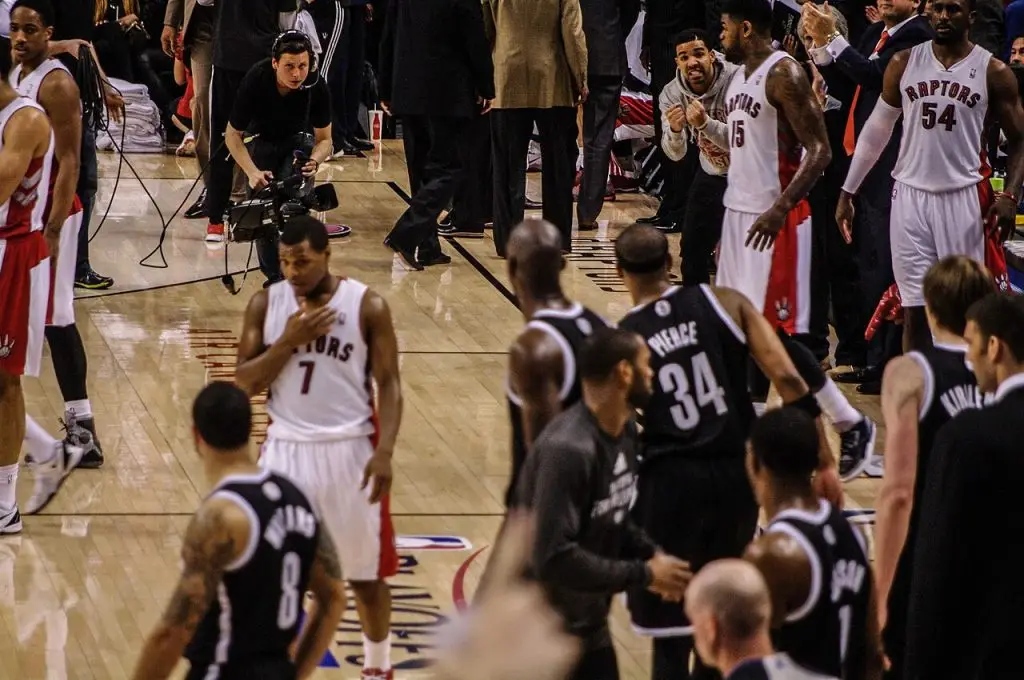
What is the networth of Drake? Most celebrity trackers place the Toronto-born rapper’s wealth in the hundreds of millions of dollars, which makes him one of the wealthiest hip-hop artists. Nobody outside his inner circle knows the exact number, and the estimates differ by source.
The short version
He’s reported to earn from several places at once: streaming, touring, endorsements and his own business ventures. That mix matters because it keeps income flowing even in a year without a new album.
Where the money comes from
Streaming and recorded music
Drake has been among the most-streamed artists in the world for years, and he holds many chart records, including Billboard milestones. Streaming pays small amounts per play, but with enormous volume, the totals add up. How much he personally keeps depends on his label deals, which aren’t public.
Touring
Live shows have been a major earner for big acts. Large arena and stadium tours bring in ticket sales, merchandise and sponsorship money. Costs are high, though, with crews, production and travel eating into gross revenue.
Brands and business
He’s been linked to apparel, a whiskey brand, an investment into companies and entertainment projects, and a long association with the Toronto Raptors as a global ambassador. Forbes has also covered his earnings and endorsements in its annual lists of top-paid entertainers.
Why estimates are rough
When people ask what is the net worth of an artist like this, they’re really asking for a number that doesn’t exist in public. Contracts, publishing arrangements and investments are private. So analysts use proxies such as streaming counts, tour grosses reported by industry trades and press coverage of deals.
They then guess at deductions: management and agent fees, taxes, legal costs and spending. A small difference in those assumptions can change the final figure by tens of millions of dollars.
Earnings versus net worth
This confusion causes a lot of bad headlines. Annual earnings are what came in during a year. Net worth is what remains from everything, over time, after debts. A star can earn a lot and still hold less than the headline suggests, particularly if they spend heavily on property, travel and business projects.
Real estate is a good example. High-profile homes can be valued by reporters, but mortgage details and ownership structures are often hidden. So the asset side is partly guessed.
How to compare sources sensibly
- Prefer figures that tell you the date and the method.
- Be wary of sites that never change a number despite new tours or releases.
- Remember currency: some sources use US dollars, others Canadian.
- Look at the range across three or four sources rather than one outlier.
For a well-referenced timeline of his albums, awards and business activity, the Wikipedia article on Drake is a handy reference. You can check the details there and then judge for yourself whether a given estimate looks plausible.
What to keep in mind
The reported hundreds of millions of dollars is a fair way to summarize what trackers say. It’s built on a long, record-setting career and diversified business interests. But it’s still an outside estimate. If he buys a company, sells a stake or releases a hit tour, the picture can shift quickly.
If you’re quoting a figure in your own writing, put the source and the month next to it. That small habit saves you from repeating a number that was out of date a year ago, and readers appreciate knowing it’s an estimate rather than a fact.
Another thing that confuses people is the difference between a label deal and ownership. Artists who own more of their master recordings or publishing typically keep more of the long-term value, while those under traditional contracts may share more with the label. Public details here are thin, so trackers lean on assumptions. When you read an estimate, ask whether it seems to treat him as an owner or as a salaried performer; that choice alone shifts the total a great deal.
This article is for general information only and is not financial advice.
Related reading
- What’s Their Networth? How to Find Out Using Public Sources
- Shayanna Jenkins-Hernandez Net Worth: Separating Fact From Guesswork
Photo: Shaheen Karolia, CC BY 2.0, via Wikimedia Commons