If you typed nelson rocks via ferrata death into a search bar, you are probably asking a sensible question: how dangerous is this thing, and should I do it? It is a fair thing to wonder about before clipping yourself to a cliff. This article does not repeat rumours or guess at specific incidents. Instead it explains how a via ferrata is meant to work, what is widely known about the Nelson Rocks experience in West Virginia, and which questions to ask before you book.
What the Nelson Rocks via ferrata is
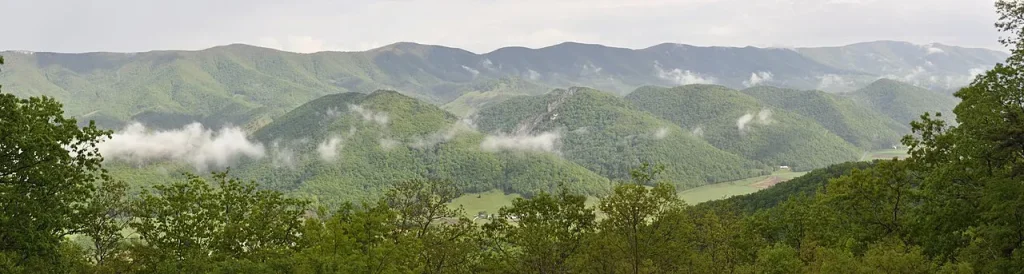
Nelson Rocks is a rock formation in the Appalachians of eastern West Virginia, near the better-known Seneca Rocks. The outdoor preserve there offers a guided via ferrata, a route of fixed steel cables, rungs and ladders bolted into the rock, that lets people with little or no climbing training move across a vertical landscape. It is widely described as one of the more dramatic via ferrata experiences in the United States, with narrow ridgelines and a suspension bridge between rock sections.
The idea of a via ferrata comes from the Alps, where the style began as a way to move through mountains. The key difference from free climbing is the protection system: you wear a harness and use a lanyard with two carabiners that clip to the steel cable. At any moment at least one stays attached.
Why people search nelson rocks via ferrata death
Heights make people nervous, and a search like this usually comes from simple fear, not from news of anything in particular. Anything involving exposure and gravity carries real risk, and honest operators do not pretend otherwise. I will not speculate about any specific incident, because I do not have verified information and you should not trust blog posts that claim to. If you want facts, check official sources: the operator, local news reports, and published safety information.
What you can say in general is that via ferrata is considered low-risk compared with unprotected climbing when the equipment is maintained and used correctly. The main risks come from human error, such as unclipping both carabiners, ignoring guide instructions, poor fitness or medical problems, bad weather, or a fall that pulls hard on the equipment. That is why guided access and a thorough briefing matter so much.
How the safety system should work
- Harness and helmet: properly fitted, checked by a guide before you leave the ground.
- Lanyard with two carabiners: you move one at a time past each anchor point so you are never fully unclipped.
- Energy absorber: a device that reduces the shock of a fall on you and the cable.
- Guides: trained staff who brief the group, set the pace and can help if someone freezes or struggles.
- Weather decisions: lightning and wet rock change everything, and a good operator cancels rather than pushes on.
If any of this seems casual at your briefing, that is a warning sign. A good briefing covers the clipping routine, what to do if you feel unwell, how to communicate with guides and what happens if the group needs to turn back.
Questions to ask before you book
- Is the route guided throughout, and what is the guide-to-guest ratio?
- What are the age, weight and fitness limits, and are there medical restrictions?
- How is the equipment inspected and replaced, and how often is the route itself checked?
- What is the policy on bad weather and cancellations?
- What is the emergency plan, and how far is the nearest medical help?
- Are there options to stop partway if I feel unwell or too scared?
Reputable operators answer these without irritation. If a company dodges questions, look elsewhere.
How to prepare yourself
Fitness matters more than people expect. A route like this is a long day on your feet and arms, with hand and grip work, so general fitness helps. Wear close-fitting layers, sturdy shoes with grip and bring water, snacks and sun protection. Leave loose items, jewellery and phones that are not securely stored behind. Follow the guide exactly, even on stretches that look easy. Most problems on adventure activities begin with someone deciding that the rules do not apply to a simple bit.
If you have a fear of heights, tell the guide in advance. Fear is manageable if you know it is coming, and many people complete the route after a nervous start. If you have a heart condition, back problems, or are pregnant, talk to a doctor before booking and to the operator about their policy.
So, should you do it?
Thousands of people do guided via ferrata routes safely each year, and the experience is rightly popular. It is not risk-free, and nobody honest will claim that. The sensible approach is to treat nelson rocks via ferrata death as a prompt for careful research, not a verdict. Look at the operator’s safety record in the places that publish it, read recent visitor reviews with a critical eye, and ask your questions directly. If you feel respected and informed, you are probably in good hands. If you do not, walk away. Another cliff will always be there next season.
More from us: Travel Tips.
Featured photo: Jarek Tuszyński / Wikimedia Commons (CC BY-SA 4.0).