If you ask an Amsterdammer where to go for a calm walk with good coffee, there is a fair chance they will say the Jordaan. This compact district on the west side of the canal ring is known for its narrow streets, small canals, hidden courtyards and independent shops. It is busy enough to feel alive, but gentler than the main tourist drag.
A short history
The Jordaan was built in the seventeenth century to house workers and craftspeople as the city grew. For a long time it was a poor, crowded district, known for its strong local identity and its own songs, humour and dialect. In the twentieth century, many residents left, and the area slowly changed. Today it is one of the most desirable places to live, with many homes renovated, though traces of its past remain in the street names and traditional pubs.
The name is often linked to the French word *jardin*, for garden, since many streets are named after flowers and plants, such as Egelantiersgracht, Rozengracht and Lindengracht. Historians debate the exact origin of the name, so treat any single explanation with care.
What to do in the Jordaan
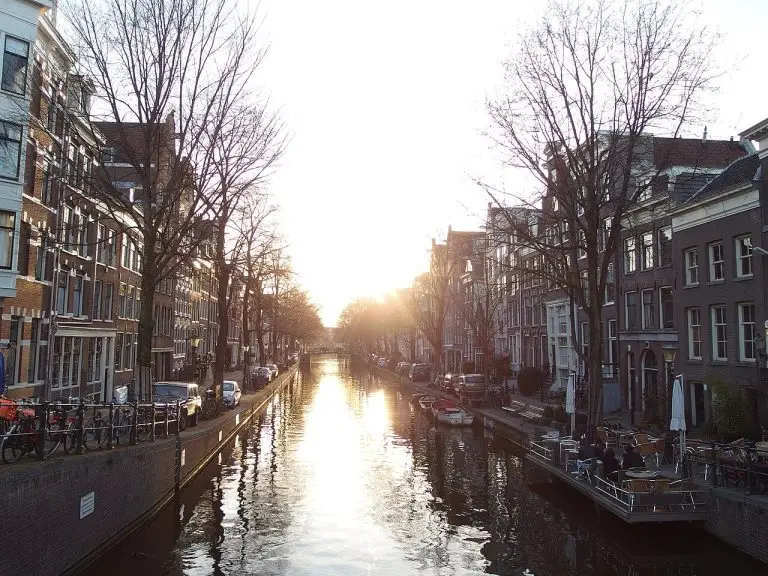
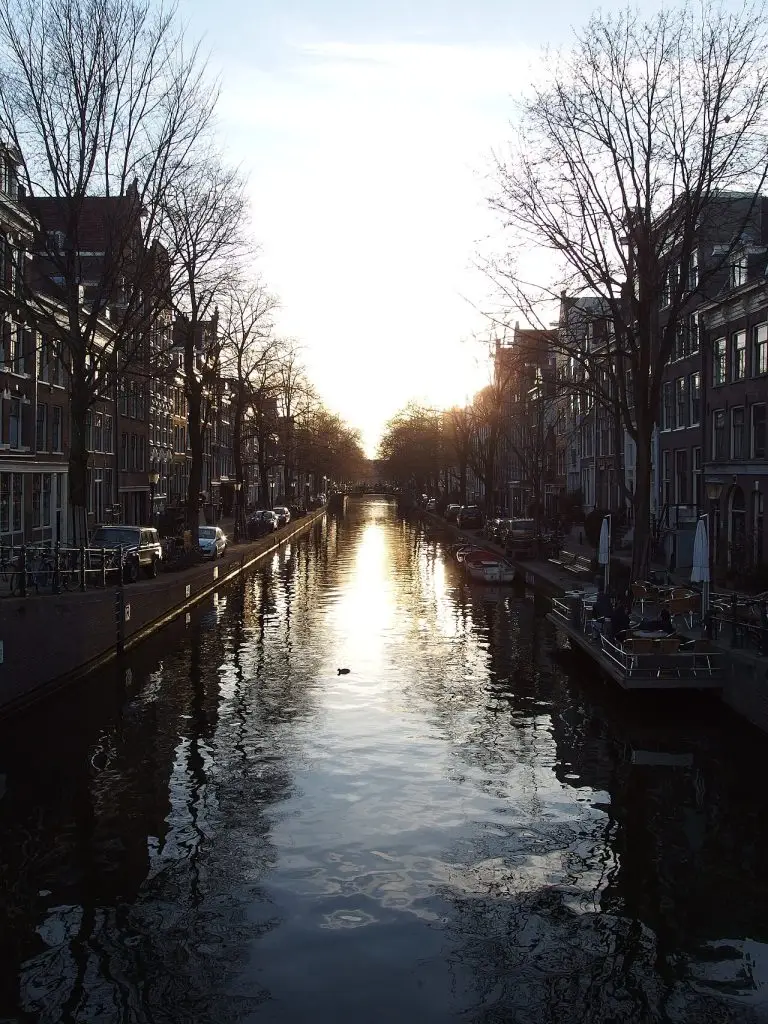
Walk the canals
Prinsengracht, Brouwersgracht, Bloemgracht and Egelantiersgracht are the quiet stars here. The bridges and boats make good photo spots. Early morning has the best light and fewest visitors.
Visit the Hofjes
Hidden courtyards, called hofjes, were built for older residents. Some, such as the Sint Andrieshofje and the Karthuizerhof, are accessible during limited hours. Look for open gates, but remember that people live there, so be quiet and respectful.
Browse the shops
Small stores along the Nine Streets, on Haarlemmerstraat and around Tweede Tuindwarsstraat sell vintage clothes, design objects, books and local food. Weekend markets add to the fun. The Noordermarkt, held on Saturday mornings, includes a well-known organic market, while the Monday morning flea market has second-hand goods.
Anne Frank House and Westerkerk
The Anne Frank House sits on the edge of the area, and tickets are sold online in advance. The Westerkerk church tower nearby offers views over the city when open to visitors.
Where to eat and drink
The Jordaan has a high density of cafés, and many have outdoor tables along the water.
- Apple pie: a famous version is served in a cafe near the Prinsengracht, and locals often debate who bakes the best one.
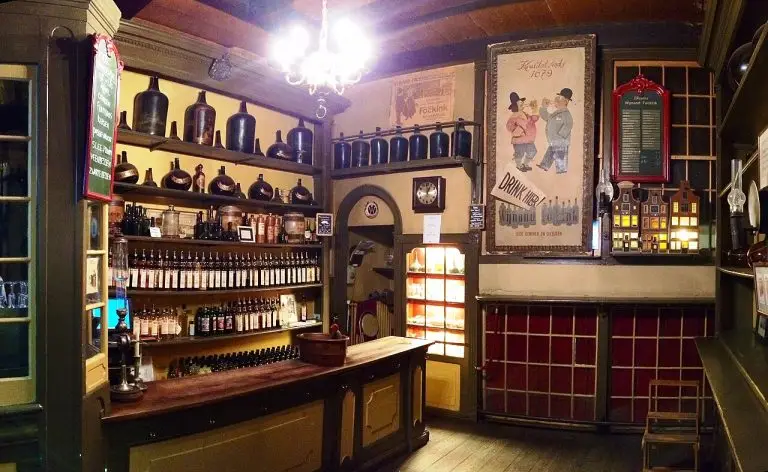
- Brown cafés: traditional bars with dark interiors, wooden tables and a regular crowd.
- Bakeries and brunch spots: good for breakfast, especially at weekends.
- Dutch classics: try pancakes, stamppot in winter and bitterballen with a drink.
Prices have risen as the district became popular, but you can still find fair lunch options if you look a few streets off the main roads.
Getting there
The Jordaan is a ten to fifteen minute walk from Dam Square and Centraal Station. Trams on the Rozengracht and Haarlemmerstraat lines serve the area. Cycling is possible but narrow streets and bridges can be busy, so many visitors prefer to walk.
When to go
Spring and early summer are lovely, with flowers along the bridges and long daylight. Autumn adds colour and a cosy mood. In winter, candlelit cafés are especially inviting. Visit on a weekday if you want to avoid crowds, and arrive early at popular cafés.
Etiquette
People live above the shops, so keep noise down in the evening. Do not block the narrow pavements while taking photos, and be mindful of bikes, which have right of way in many places.
A relaxed half-day plan
1. Coffee on Brouwersgracht.
2. Walk down Prinsengracht and along Egelantiersgracht.
3. Peek into a hofje if one is open.
4. Browse the Noordermarkt on Saturday or Monday.
5. Lunch at a canal-side café.
6. Slow walk back through the side streets.
Little things worth noticing
Look for the old shop signs, the small hooks on the gables used to lift furniture through the windows, and the way the houses lean slightly forward or sideways. These details tell you how narrow canal houses were built and why moving house in Amsterdam was always a project. The district also has tiny museums, galleries and bookshops that open only a few days a week, so a flexible plan will help you find one that is open. Take your time, and let the side streets decide where you end up.
The Jordaan does not shout for attention. It rewards people who take time, and that is exactly why so many visitors say it is the best part of Amsterdam.
More like this: browse our Amsterdam section.