A big island
Crete is Greece’s largest island, around 260 kilometres from west to east, and distances are bigger than many visitors expect. If you are working out how to get around Crete, the right choice depends on where you stay, how long you have and how adventurous you feel. This guide covers the main options. Timetables and prices change by season, so check current information before you travel.
Renting a car
For most visitors who want to see several areas, a rental car is the most flexible option. Crete has hidden beaches, mountain villages and archaeological sites that are hard to reach otherwise.
Pros
- Freedom to explore at your own pace.
- Access to remote beaches and villages.
- Convenient for families with luggage.
Cons
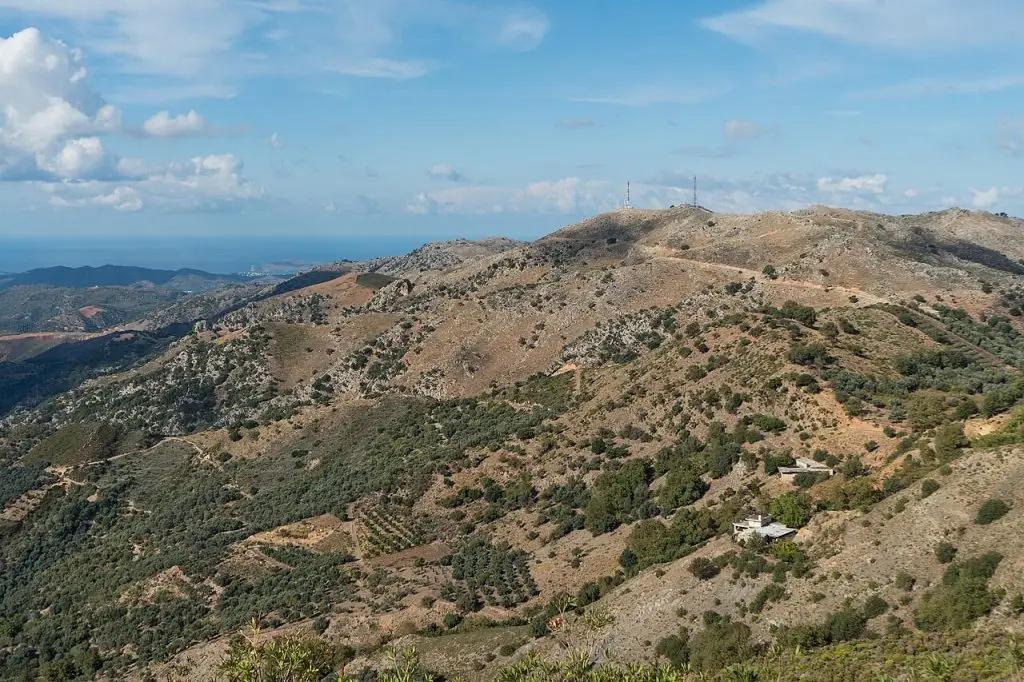
- Mountain roads can be narrow and winding.
- Parking in towns such as Chania and Heraklion is limited.
- Rental costs rise in July and August.
- Driving habits can feel unfamiliar.
Tips
1. Book ahead in high season.
2. Choose a small car for narrow roads.
3. Check the insurance terms, including damage to tyres and underside.
4. Take photos of the car before you drive away.
5. Fill up the tank in towns, since petrol stations are less common in rural areas.
An international driving permit may be needed for non-EU licences, so check the rules. The Visit Greece site is a good starting point.
Public buses
The main intercity bus company on Crete is KTEL, with separate operators for different regions. Buses link the major towns such as Heraklion, Chania, Rethymno, Agios Nikolaos and Sitia, and run to many beach resorts. They are comfortable, inexpensive and reliable on main routes. Services to small villages are rarer, and some run only a few times a day. Buy tickets at the station or from the driver, and check the timetables, which change by season and often by day.
Taxis
Taxis are available in towns and at airports. They are useful for short trips or when you prefer not to drive. Fares are metered in cities, and for longer trips you should agree on a price first. Many hotels can arrange transfers from the airport, which is handy after a late flight.
Organised tours
Many companies run day trips to well-known sites such as the Knossos Palace, the Samaria Gorge, Elafonisi Beach and Spinalonga Island. A tour removes the stress of driving and can be a good solution if you stay in one resort. Compare providers, group size and included entrance fees.
Ferries
Ferries connect Crete with the mainland, mostly from Heraklion and Chania to Piraeus, and also to islands such as Santorini. The overnight ferry to Athens is a popular option for travellers who prefer to avoid flights. Check ferry timetables on the operator’s website.
Scooters and bikes
In coastal towns, scooters and quad bikes are easy to rent, but road safety is a concern. If you are not an experienced rider, avoid them. Wear a helmet and check the insurance. Bicycles are an option for short rides, though hills and heat can be demanding.
Walking
Many towns and villages are walkable, and hiking is rewarding in the mountains. The Samaria Gorge and the coastal E4 trail are popular. Always carry water, sun protection and proper shoes, and check weather and trail conditions.
Planning your route
West Crete
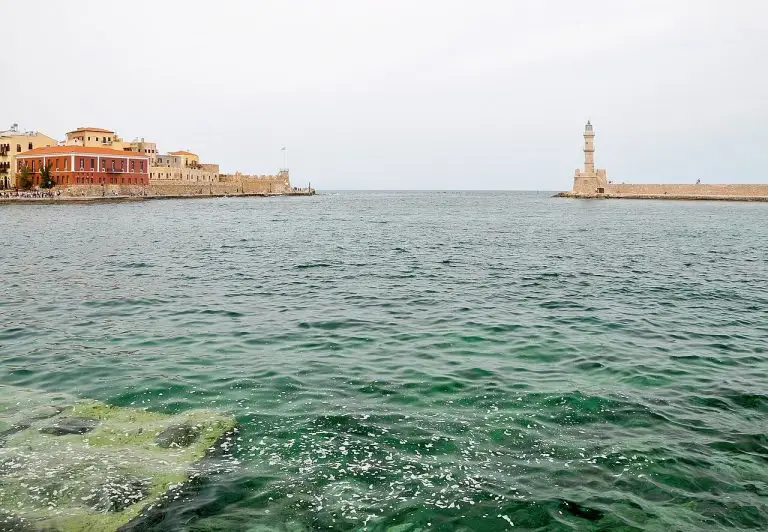
Chania, Rethymno, Elafonisi and Balos. Chania is a good base.
Central Crete
Heraklion, Knossos and the Archaeological Museum. Heraklion has the main airport.
East Crete
Agios Nikolaos, Elounda, Sitia and Vai. Quieter and green.
South coast
Matala, Paleochora and Sougia, with beaches and a relaxed feel.
Choosing the best option
- Short stay in one town: walk, taxi and bus.
- One week, several areas: a rental car.
- Budget trip: buses and shared taxis.
- Families: a rental car or transfers.
- No driving licence: buses and tours.
Safety and road tips
Drive on the right, and watch for goats and rockfall on mountain roads. Keep to speed limits, and avoid driving at night in remote areas. Mobile signal can be weak in mountains, so download offline maps.
Final thoughts
Knowing how to get around Crete makes a big difference to your trip. A rental car gives the greatest freedom, while buses and tours work well for relaxed travellers. Plan your route in regions, avoid too many long drives in a day and leave time for swimming and long lunches.
Related reading: Ein Tag in Monschau: Fachwerk, Senf und Eifelblick.