Order a packet of rice or a bottle of detergent through an app and a rider will often reach your building within minutes. Electric bikes for delivery are a big reason: the rider is increasingly on one, and often one that is rented rather than owned. The rise of quick commerce has created a surge of demand for small, cheap, reliable vehicles, and companies that offer shared electric two-wheelers, such as Yulu, sit right in the middle of it.
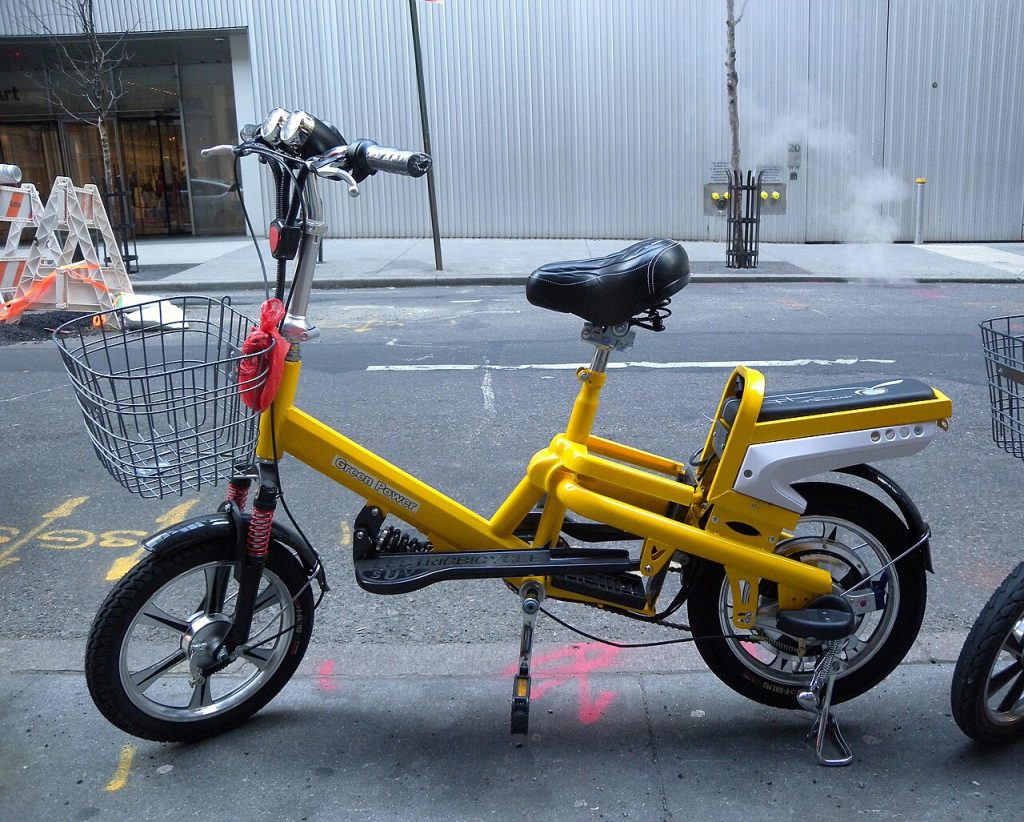
Why electric bikes for delivery make sense
Delivery work consists of many short trips, constant stopping, and lots of time in congested streets. That is a pattern where petrol motorcycles are inefficient and electric motors shine: strong torque from a standstill, no idling, and low running costs per kilometer.
For the rider, fuel and maintenance are among the biggest expenses. Electricity costs far less than petrol, and electric drivetrains have fewer moving parts to repair. For fleet operators and the delivery platforms that depend on them, a lower cost per delivery adds up over thousands of orders.
There are social and environmental reasons for electric bikes for delivery as well. Electric vehicles produce no tailpipe emissions and are quiet, which matters in dense neighborhoods. Many cities are pushing delivery fleets toward electric options to curb air pollution.
The rental model, and why riders like it
Buying electric bikes for delivery is expensive for many gig workers, and credit can be hard to get. Renting solves the upfront cost. A rider pays a daily, weekly, or monthly fee that typically bundles the vehicle, maintenance, and sometimes insurance. If the bike breaks, the operator fixes or replaces it.
The operator’s job is logistics: keeping bikes charged, repaired, and available near the places riders need them. Some operate hubs near dark stores and busy restaurant clusters, so a rider can pick up a bike at the start of a shift.
Batteries are the real challenge
An electric bike is only as useful as its charge. Waiting an hour or two to recharge costs a rider income. That is why battery swapping has become popular for commercial use: the rider pulls into a station, exchanges a depleted pack for a full one in a minute or two, and goes on.
Swapping brings its own questions for electric bikes for delivery:
- Standardization. Packs must fit many bikes, or the network works for only one model.
- Safety. Battery handling, storage, and charging need strict standards to avoid fires.
- Location. Stations must be where riders actually travel.
- Battery life. Frequent charging and heavy use age packs faster, which affects costs.
- Power supply. Chargers need reliable, ideally clean, electricity.
Where the economics get tricky
Fleet operators carry the burden of vehicle and battery costs, theft and damage, and the risk of idle bikes when demand dips. Demand from delivery platforms can be seasonal or tied to the fortunes of the apps themselves. If quick-commerce volumes slow, the need for riders and bikes shrinks too.
Utilization is the key measure for electric bikes for delivery: how many hours each bike earns revenue per day. A bike that sits waiting for a rider loses money. This is why operators work closely with delivery companies, sometimes dedicating fleets to a specific customer.
Bike or scooter, and how fast is fast enough
Fleet managers also have to choose the right vehicle. A pedal-assist bicycle is cheap and nimble, while a scooter-style two-wheeler carries more and goes farther. Our guide on choosing between an electric bike and an electric scooter walks through that decision, and much of it applies to commercial use as well.
For electric bikes for delivery, speed matters less than reliability. The promise of fast service, explained in how same-day delivery works behind the scenes, depends on riders who can cover short trips all day without the battery giving out. For a general introduction to the vehicle itself, see the article on the electric bicycle.
What riders and cities should watch with electric bikes for delivery
For riders, important questions include the total weekly cost, what the rental covers, penalties for damage, and what happens if the platform reduces orders. A cheap rental that eats most of the earnings is no bargain. Working conditions, from safe parking to rest areas and fair pay, remain issues across the gig economy.
For cities, electric bikes for delivery can reduce noise and emissions, but they also require planning for charging, parking, and safe use of road space. Rules around speed limits and licensing for electric two-wheelers vary by place and are evolving.
It is worth remembering that electric bikes for delivery work harder than ones used for weekend rides. Brakes, tires, and batteries wear faster, so a good operator schedules inspections and replaces parts before they fail. Riders who care for their bikes, charging correctly and reporting faults early, keep their earnings steadier too.
The bigger picture for electric bikes for delivery
Electrification of last-mile delivery, led by electric bikes for delivery, is one of the most practical routes to cleaner cities, because the vehicles are small, the routes are short, and the savings are visible to the people who use them. The rise of instant delivery gave the idea a push. If the services stay popular, shared electric fleets will probably become a standard part of the city streets. If not, the bikes will still be useful, since a good electric two-wheeler has many uses beyond groceries.