You tap a few buttons, and a couple of hours later a bag of groceries or household items arrives at your door. It feels almost effortless. It isn’t. A same-day delivery service relies on a surprisingly intricate chain of people, software and timing, and the economics are tighter than most customers imagine.
Two main models for a same-day delivery service
Almost every same-day delivery service falls into one of two broad designs, and they feel quite different once you look under the hood.
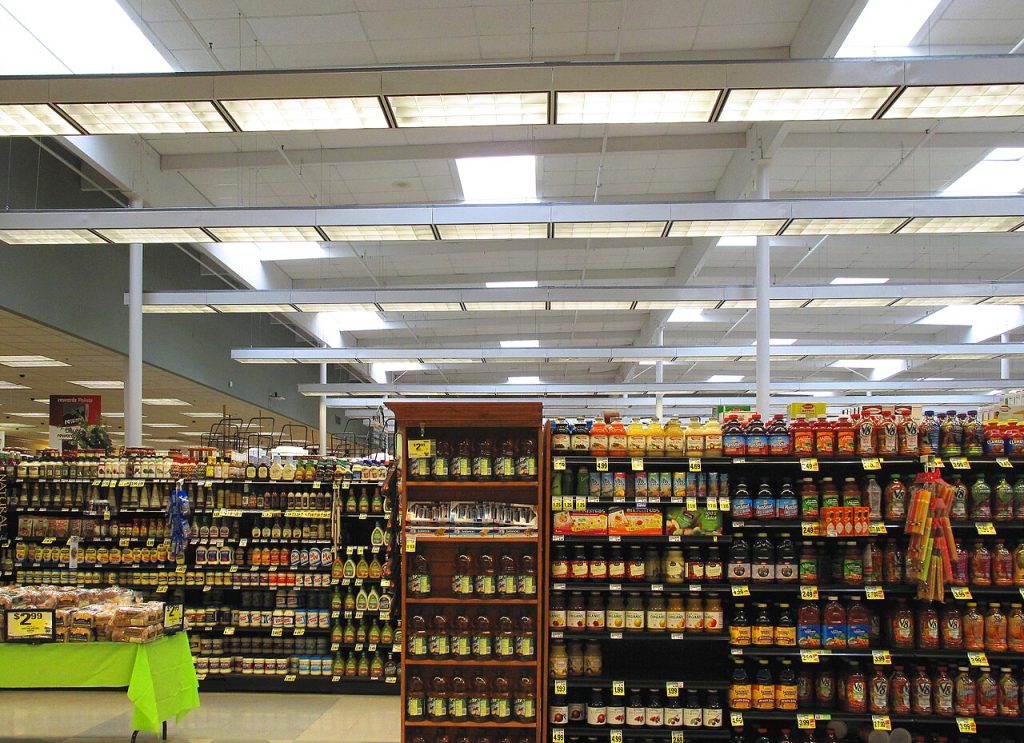
Warehouse-based. The company runs its own fulfilment centres, often in or near cities. Staff pick items from shelves, pack them and hand them to drivers. The advantage is control. The company knows exactly what is in stock and how long picking takes. The drawback is cost, since warehouses in expensive urban areas are costly to rent and staff.
Store-based. The service uses existing shops as its inventory. A personal shopper walks the aisles with a handheld device, collects your items and either delivers them or passes them to a driver. This needs less upfront investment, but stock can be unpredictable. If the last carton of milk was just sold, the shopper must suggest a substitute.
Some businesses mix the two, using small local hubs for popular items and shops for the long tail of unusual products.
Whichever design a same-day delivery service uses, the shelf life of products shapes the plan. Fresh fruit, frozen food and flowers need cold chains or quick handovers, while dry goods can wait in a bag for a while. That is why many services limit which items can be ordered in a single trip.
The steps of a typical order
From your tap to your door, an order placed with a same-day delivery service moves through a sequence that has to run smoothly.
- You order. The app checks which items are available near you and offers delivery windows.
- The system assigns it. Software decides which hub or shop will fill the order and sends it to the picking team.
- Items are picked. Staff gather them, often in the order that makes the shortest walk.
- Packing and checks. Cold and frozen goods are separated, fragile items protected, and the order verified.
- A driver is matched. Routing software chooses someone nearby, sometimes bundling several orders into one trip.
- Delivery. The driver follows the route, and you receive updates until the handover.
Each step is a place where time can leak away. A short delay at picking can push a delivery outside its window, which is why systems watch the clock constantly.
Why timing is so hard
The core challenge for any same-day delivery service is that demand is lumpy. Orders surge at lunchtime and early evening, during storms and before holidays. Yet staff and vehicles cannot appear and vanish in minutes. A same-day delivery service must forecast demand well enough to have people ready without paying for idle drivers.
Routing adds another puzzle. Finding the shortest path for one driver is easy. Finding efficient routes for dozens of drivers and hundreds of orders, while respecting delivery windows and traffic, is a hard maths problem. Software uses heuristics to find good-enough answers quickly, then adjusts as conditions change.
Then there is the so-called last mile, the final stretch from a local depot to a door. It is typically the most expensive part of any delivery because every stop serves just one household. Apartment buildings with confusing entrances, missing buzzers or no parking can add minutes that wreck a schedule.
Weather adds another layer for a same-day delivery service. Heavy rain slows traffic and makes drivers cautious, while a hot day puts pressure on frozen goods. Good systems build in a small buffer for these conditions rather than promising the impossible.
The workers behind the app
Behind every smooth same-day delivery service are real people: pickers, packers, dispatchers and drivers. Many drivers are self-employed or on flexible contracts, and arrangements differ widely by country and company. Questions about pay, expenses, insurance and working conditions are debated in many places.
As a customer of a same-day delivery service, it is worth remembering that the speed you enjoy is created by someone working to a tight clock. Tipping where it is customary, being reachable when the driver arrives and giving clear instructions all help. So does choosing a later delivery window when you do not need things urgently, since looser schedules are easier on everyone.
What it costs, and who pays
Speed is expensive. A same-day delivery service must cover staff, vehicles, fuel, packaging and technology, often on thin margins. Companies cover these costs in several ways: delivery fees, minimum order sizes, higher item prices, membership subscriptions, or by taking a fee from the shops they partner with.
Some pricing is dynamic, rising when demand is high or drivers are scarce. Others offer free delivery above a spending threshold, which encourages bigger baskets that are cheaper to deliver per item.
If you want to get the best from a same-day delivery service, a few habits help.
- Order a little earlier in the day when slots are plentiful.
- Combine items into one order rather than several small ones.
- Check substitution settings so you are not surprised.
- Inspect perishable items on arrival and report problems quickly.
- Be honest about what you truly need today and what can wait.
The bigger picture is that a same-day delivery service changes expectations. People who once planned a weekly shop now buy as they need. That convenience has real value, but it also has costs in traffic, packaging and labour. Understanding how the system works lets you use it more wisely and judge when speed is worth the price.
For a neutral background reference, the Wikipedia article on Delivery (commerce) is a useful place to start.
Related reading: Why Last-Mile Delivery Startups Struggle With Costs and Cutbacks and Electric Bikes for Quick Commerce: Why Delivery Fleets Are Going Electric.