People joke that Dutch food has no reputation, and honestly, that is part of its charm. It is not about fine dining or complicated sauces. It is about bread, dairy, potatoes, fish and snacks you eat standing up. If you know where to look, a day of eating in the Netherlands can be delightful. So here is one, hour by hour.
Breakfast: bread, sprinkles and cheese
A Dutch breakfast is usually cold and sandwich-based. Think of a slice of bread with cheese, ham or jam, and a glass of milk or a cup of coffee. The surprise for visitors is hagelslag, small chocolate sprinkles spread over buttered bread. Children and adults both eat it, and it is a perfectly respectable start to the day. Another sweet option is the speculaas spread, made from the same spices as the cookie.
Mid-morning: a coffee and something sweet
Order a coffee, called a koffie verkeerd if you want it with plenty of milk, and ask for a stroopwafel. This thin waffle sandwich filled with caramel syrup is the best known Dutch sweet. At a market stall they are made fresh, and the syrup oozes. Put one on top of your hot coffee for a minute and it softens beautifully. Also look for appeltaart, a deep apple pie with a thick crust, usually served with whipped cream.
Lunch: broodjes, soup and pancakes
Soup and sandwiches
Lunch is often a broodje, a sandwich on a soft or crusty roll, filled with cheese, egg salad, meatballs or smoked fish. Soup is common in cooler months, and the classic is erwtensoep, or snert, a thick split pea soup with sausage that is so dense a spoon can stand in it.
Pancakes
Dutch pancakes are large, thin and eaten as a meal, with sweet or savory toppings. Bacon with syrup is popular. Poffertjes, small puffy pancakes served with butter and powdered sugar, are the sweet, bite-sized cousin. Both are filling and affordable.
Afternoon: snacks from the wall
The Netherlands has a snack culture all its own. Fast-food walls, called automatiek, let you drop a coin into a slot and pull out a hot croquette. The kroket, a crisp roll filled with meat ragout, is the classic, and the frikandel, a long fried sausage, is another favorite. Eat them with mustard or mayonnaise. If you prefer fish, try kibbeling, battered fried chunks of white fish, served with a dipping sauce. In coastal towns, raw herring, eaten with chopped onions and pickles, is the traditional bold choice. Hold the fish by the tail and tilt your head back if you want to do it the local way.
Early evening: borrel and bitterballen
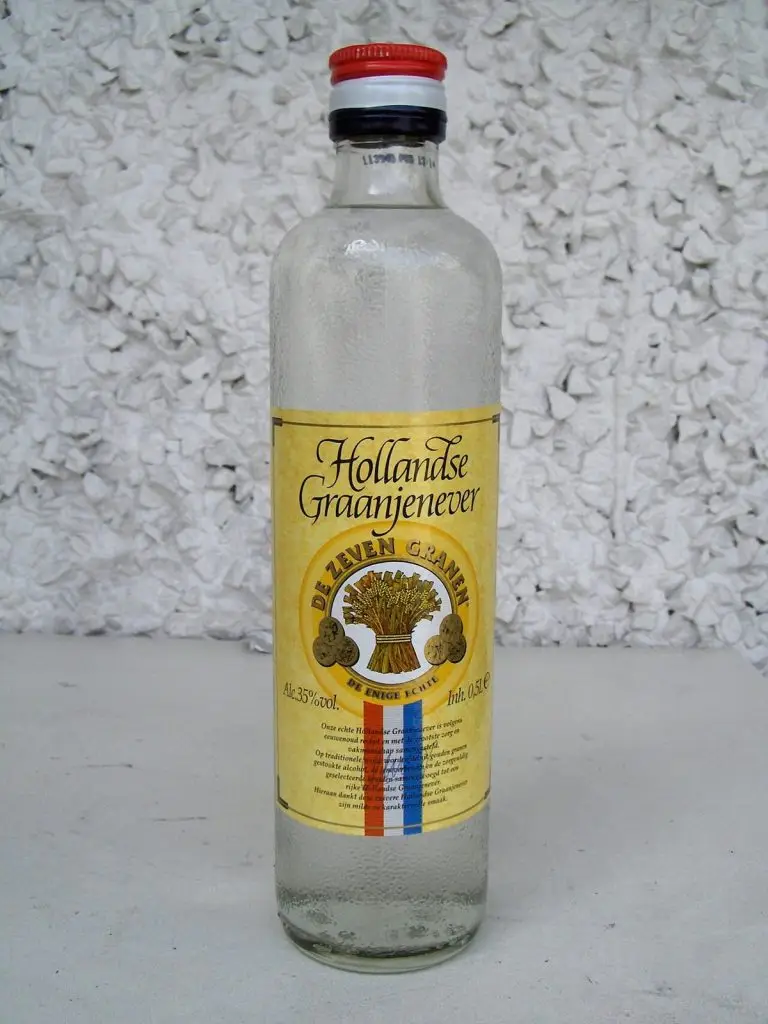
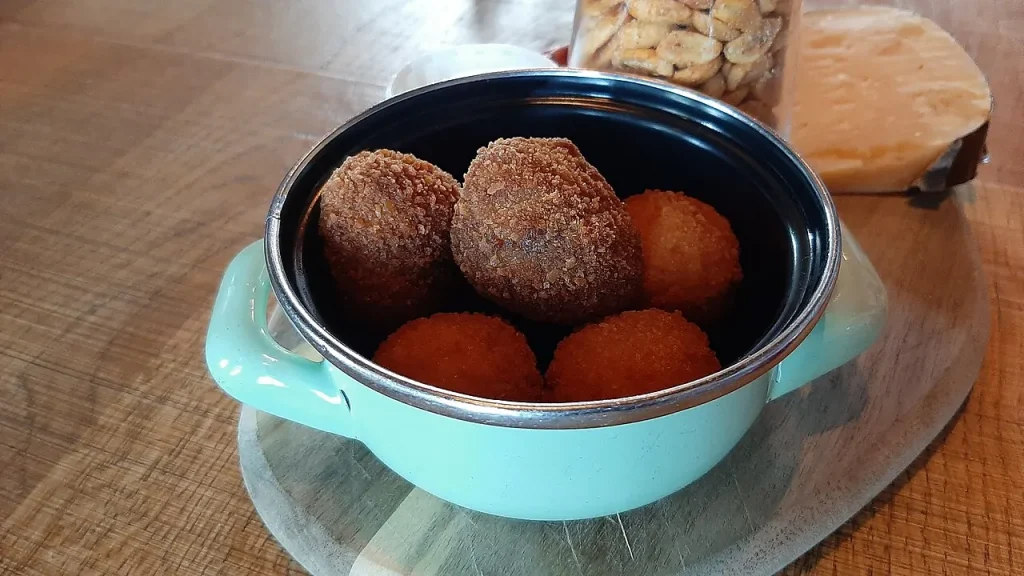
Around five or six, the Dutch have a drink and a snack, known as borrel. The star of the table is the bitterbal, a round, deep-fried ball filled with a thick meat ragout. Dip it in mustard, and be careful: the inside is scorching hot. Pair it with a beer or a glass of jenever, the juniper spirit that is the ancestor of gin. A mixed snack platter usually includes cheese cubes, sausage and fried treats.
Dinner: stamppot and beyond
Traditional dinner is meat, potatoes and vegetables. The most iconic dish is stamppot, mashed potatoes mixed with another vegetable such as kale or sauerkraut, served with a smoked sausage called rookworst. It is a winter comfort food, rich and filling. Hutspot, with carrots and onions, is another favorite, and traditionally associated with the 1574 relief of Leiden.
That said, modern Dutch dining is global. Indonesian food, a legacy of the colonial past, is huge, with dishes like rijsttafel, rice with many small plates. Surinamese, Turkish and Moroccan places are everywhere too. Eating in the Netherlands is not only about tradition.
Dessert and the sweet tooth
- Vla: a smooth custard, eaten from a bowl or drunk from a carton.
- Oliebollen: deep-fried dough balls with powdered sugar, eaten around New Year.
- Drop: licorice in countless forms, sweet or salty. Start with a small bag.
- Gouda and other cheeses: cheese is a food group here, and a tasting is worth the time.
Is Dutch food worth the trip?
The honest answer is yes, if you approach it with the right expectations. This is hearty, practical, comforting cooking, and the best bits are often the cheapest. Prices vary, so check menus. Go to a market, try the snacks, and share a plate of bitterballen with someone. You may find that Dutch food, like the country itself, is easy to underestimate and hard to forget.
More from us: Food & Drink.
Featured photo: Ziko / Wikimedia Commons (CC BY-SA 4.0).