If you have ever seen a building made of flat planes, primary colours and crisp black lines, you have probably met De Stijl architecture, even without knowing the name. The movement started in the Netherlands in 1917, and a handful of its best buildings can still be visited today. This guide explains what to look for and where to go.
What De Stijl actually was
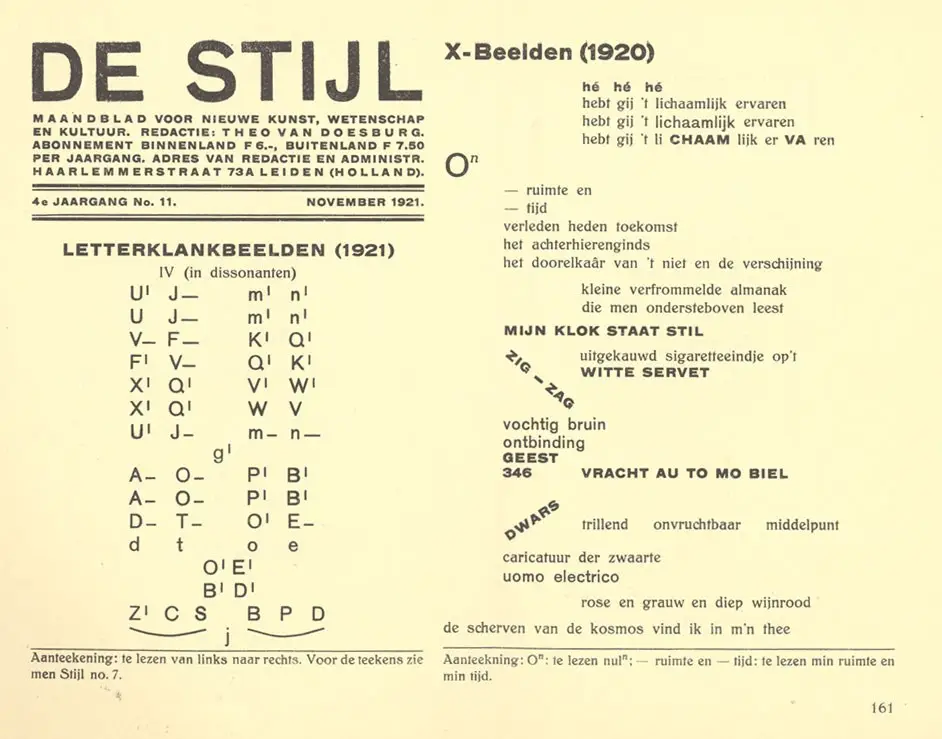
De Stijl, meaning “The Style”, began in Leiden around the magazine and group led by Theo van Doesburg. Painters such as Piet Mondrian, designers such as Gerrit Rietveld and architects like J.J.P. Oud shared an idea: strip art down to straight lines, right angles and a limited palette of red, yellow, blue, white and black. In architecture this meant buildings conceived as floating planes rather than heavy boxes.
The Rietveld Schröder House, Utrecht
The one place every fan should see is the Rietveld Schröder House in Utrecht, designed by Gerrit Rietveld in 1924 for Truus Schröder-Schräder and her children. It was added to the UNESCO World Heritage list in 2000. Sliding walls, corner windows that open without a post, and colour-coded surfaces make the interior feel like a three-dimensional Mondrian. Visits are by guided tour and need a booking in advance through the Centraal Museum, so check their website early.
Other places worth the trip
- Café De Unie, Rotterdam: J.J.P. Oud designed the facade in 1925. The original was destroyed in the 1940 bombing, and the building seen today is a reconstruction on a different site, but it still shows his colourful graphic style.
- Oud’s housing estates in Rotterdam: Spangen and Tusschendijken show how the same ideas shaped affordable housing.
- Villa Henny in Huis ter Heide: an early work by Robert van ‘t Hoff, influenced by Frank Lloyd Wright, and a bridge towards the movement.
- Museums: The Kunstmuseum Den Haag holds a large Mondrian collection, and the Stedelijk Museum in Amsterdam has Rietveld furniture, including the famous Red and Blue Chair.
How to spot De Stijl in a building
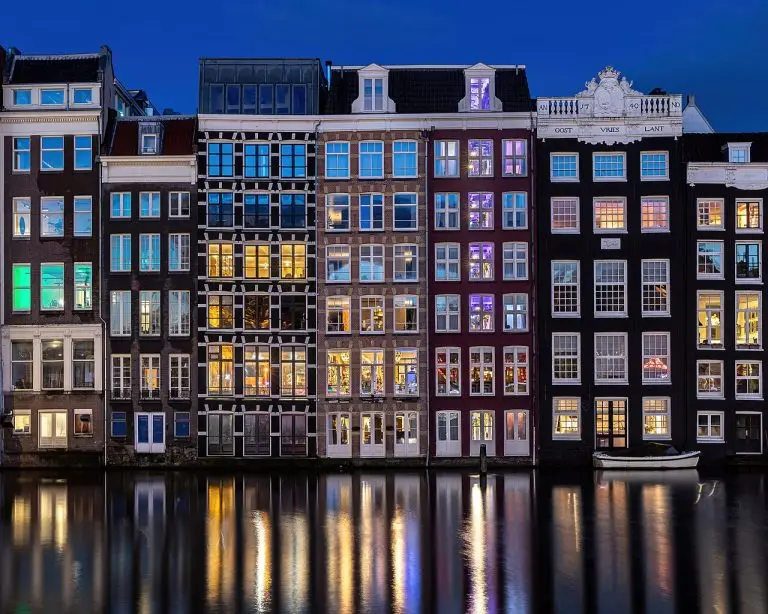
Look for asymmetry that still feels balanced, flat roofs, overlapping rectangular volumes, and colour used to separate elements rather than decorate them. Corners are not closed; walls seem to slide past each other. That is the opposite of the symmetrical brick facades along an Amsterdam canal.
Planning your route
Utrecht is about 30 minutes from Amsterdam by train, and Rotterdam is a similar distance in the other direction. A single day can combine Utrecht in the morning and The Hague in the afternoon. Buy tickets for the Schröder House ahead of time, and wear comfortable shoes because the guided tour includes stairs.
Why it still matters
De Stijl lasted only about fifteen years as an organised movement, yet its ideas ended up in Bauhaus teaching, modernist housing and even today’s flat-pack furniture. Seeing the originals in person reminds you how radical they looked a century ago. For more Dutch travel ideas, browse invisionfree.com, and always confirm opening hours before travelling since small museums change their schedules often.
Featured image: unknown, via Wikimedia Commons (Public domain).