
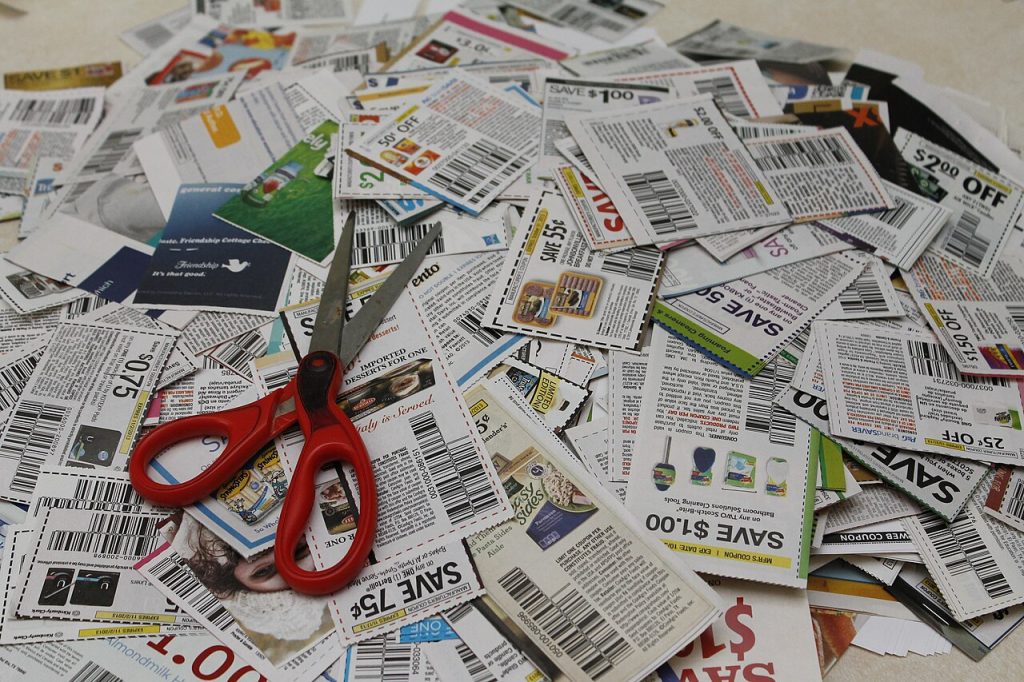
Around the start of the last decade, daily deal sites were everywhere. Your inbox was full of half-price massages, discounted dinners and cut-rate skydiving. Investors poured money in, and the largest players went public in a blaze of attention. Years later, the daily deals model is a cautionary tale, and the reasons are more instructive than the stock chart.
Why the daily deals model worked at first
The idea was neat. A local business offers a deep discount to a large audience in one burst. The deal site takes a cut, often around half of what the customer pays. In return the merchant gets new customers and a marketing push without paying up front. Consumers got bargains and the thrill of discovery.

For a quiet restaurant on a slow Tuesday, that could be attractive. Filling empty seats at low marginal cost made sense on paper.
Where the daily deals model cracked
The trouble started with the merchant’s math. A voucher sold at half price, with the platform taking half of that, left the business with a quarter of the normal price, sometimes less than the cost of delivering the service. Customers attracted by a steep discount were also often bargain hunters who would not return at full price. Many merchants reported being swamped on busy days, with regular customers pushed out and staff stretched, then seeing little repeat business afterward.
Merchants talk to each other. Word spread that deals were costly, and fewer wanted to run them a second time. That left platforms needing a constant supply of new merchants, which meant a huge, expensive sales force signing up businesses that might churn after one campaign.
Low barriers, many copycats
The model was easy to copy. Without a strong technical moat or exclusive supply, dozens of rivals appeared, each spending on ads to win subscribers. Big internet companies also launched their own versions, and then deals moved into search, maps and social feeds as features rather than standalone products. The bargain-seeking audience had choices and little loyalty.
Why a new chief executive rarely solves it
When a company in this position changes its leadership, observers often treat it as a turning point. Sometimes it is. But a new head can’t change the arithmetic of discounts, the competition from free alternatives or the declining interest in email deals. Real change requires a different business: moving into travel, goods, experiences or merchant software that serves repeat use. Some deal companies tried that, with mixed results. The question to ask of any such pivot is whether the new product fixes the core issue of customer loyalty and merchant economics, or merely rebrands the old one.
What other businesses can take from it
- Discounting borrows demand. It can pull sales forward and attract customers who only come for the price.
- Intermediaries need two happy sides. If one side feels burned, supply dries up.
- Low switching costs mean thin loyalty. Ask what keeps users with you beyond a price break.
- Growth bought with marketing spend is fragile. Check what happens to numbers when the spending slows.
- A falling share price isn’t proof of a bad idea. Sometimes a good idea was just priced for perfection.
Local numbers show how tight it gets. Suppose a spa normally charges a set price for a treatment and sells a voucher at half price, with the platform keeping a share. The spa receives a fraction of its normal rate for a service that still costs staff time, products and a booked room. If most buyers are first-time visitors who never return, the daily deals model has paid the merchant less than it cost to serve them.
Similar tensions appear wherever a middleman sells growth. The thin economics resemble the odd economics of ten-minute grocery delivery, where speed and discounts are used to win customers. And when a company is sold at a disappointing price, how to judge whether a startup sale price was fair gives a framework for thinking about what happened. For a general explanation of the underlying tool, see Wikipedia’s page on coupons.
If you’re a small merchant weighing the daily deals model
Run the numbers before agreeing. Calculate your cost per unit, subtract the platform’s share, and see what each redemption nets. Cap the number of vouchers, restrict them to off-peak times and set an expiry. Plan how to capture contact details and encourage a second visit, because the purpose of the discount is to buy a relationship, not just a single sale. And decide in advance what a good result looks like, so that you can walk away if it isn’t.
The daily deals model never disappeared entirely. It just became one tool among many, which is where most overhyped categories end up.
What shoppers learned
Consumers adapted too. Many figured out that a coupon is only a bargain if you wanted the thing anyway. Plenty of people now compare a discount against the usual walk-in price, check expiry rules and read the fine print on what the voucher covers. Retailers responded with loyalty programs and direct email lists, which cost less per sale and keep the customer relationship in the merchant’s own hands.
For brands, the lesson from the daily deals model is to build loyalty that survives without a discount. The daily deals model made customers excellent at spotting bargains and poor at staying. Ask what would keep a customer if the price break disappeared tomorrow.
Image: Carol Pyles from Winter Haven, FL, US / Wikimedia Commons, CC BY 2.0.



