
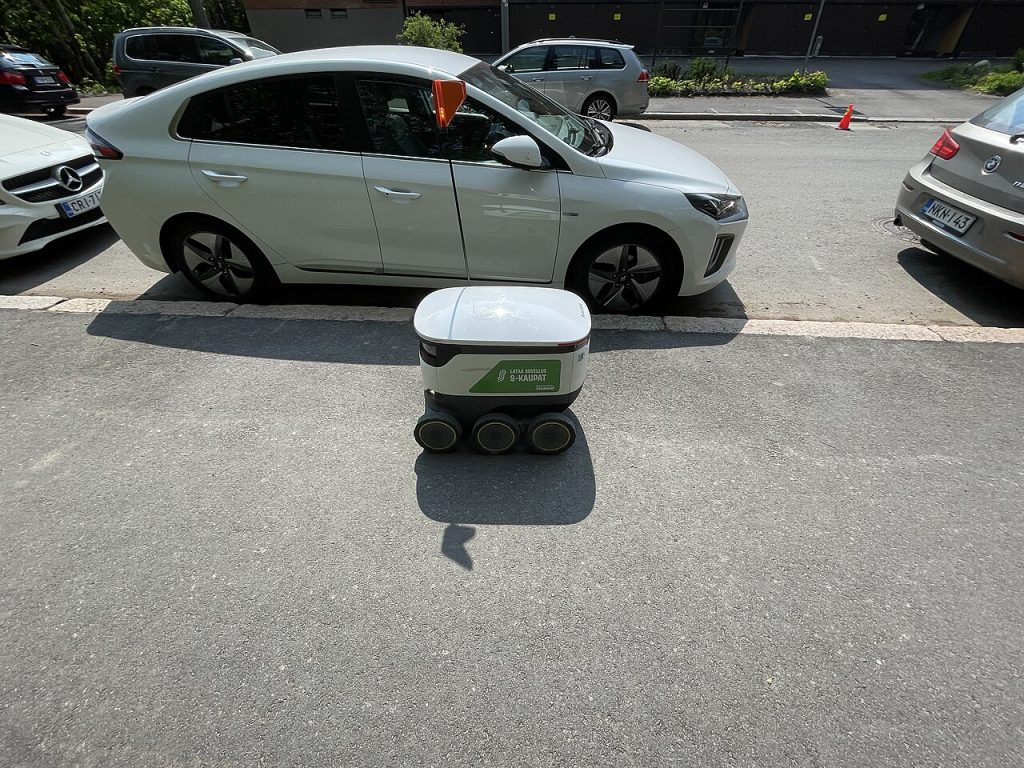
Order a packet of milk, some onions and a phone charger at 9 p.m., and a rider appears at your door in about the time it takes to brew tea. It feels like a trick. Behind it sits a small warehouse a few streets away, a rider waiting nearby, and a spreadsheet watching every item to see whether the whole exercise earns or loses money. That arrangement is called quick commerce delivery, and its economics are stranger than the convenience suggests.
The dark store model behind quick commerce delivery
Quick commerce delivery depends on dark stores: compact fulfillment points in residential areas, closed to walk-in shoppers. Staff pick items from shelves arranged for speed, pack them and hand them to a waiting rider. Because the radius of delivery is tiny, travel is short, and the promise of a few minutes becomes possible.
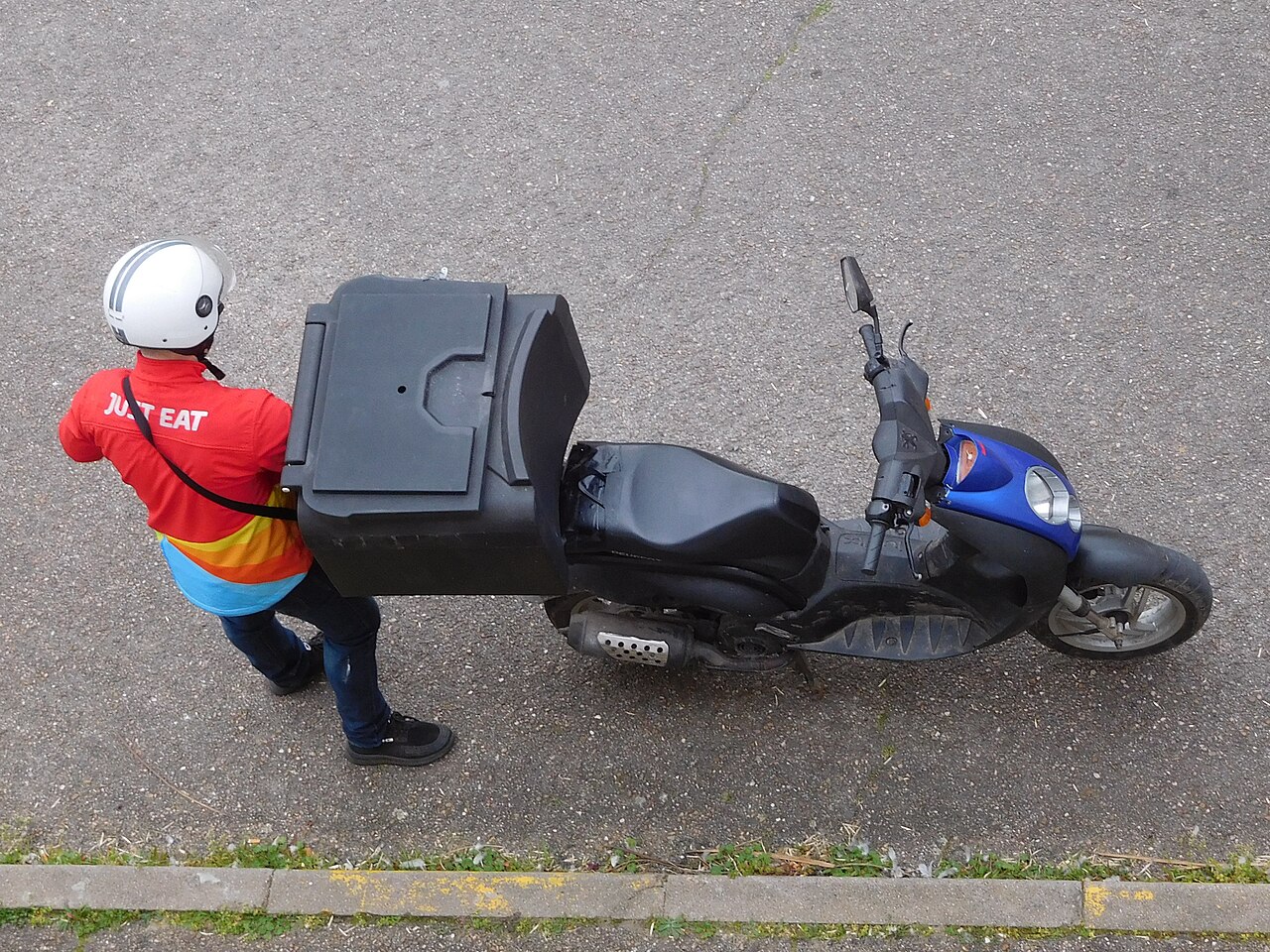
The tiny radius is also the model’s central weakness. Each dark store must be close to enough customers to fill its riders’ time, so companies need dense neighborhoods with high incomes and frequent orders. A store in a thin area will be underused and will lose money steadily.
How quick commerce delivery builds its margin
Think of one order as a small ledger. On the income side you have the product margin, which for groceries is thin, plus delivery or handling fees, plus advertising money from brands paying for visibility in the app. On the cost side you have the rider, the packaging, the store rent and staff, the discounts used to attract customers, and wasted stock.
Basket size is the lever that matters most. A small order of two items pays the same rider as a large one. That is why these apps nudge you to add something, set minimum values for free delivery, and stock higher-margin goods such as snacks, personal care and electronics accessories near the checkout screen.
Why rivals merge or get bought
Larger food-delivery platforms already have what quick-commerce startups lack: a large customer base, payment systems, and a rider network. A quick commerce delivery company has the opposite: a proven fast-fulfillment operation but a hunger for capital. Putting them together can reduce customer acquisition costs, share riders across restaurant and grocery orders, and cross-sell. That logic is common whenever two services serve the same household at different moments of the day.
The pattern is not unique to groceries. Companies buy convenience in many forms, as office food perks show: a service that saves people time also earns loyalty, and loyalty is worth paying for. In the same way, a rider who is already nearby for a restaurant order is cheaper to use for a grocery order than a rider sent out alone.
There are also defensive reasons. If a rival with deep pockets starts offering ten-minute delivery, an existing platform may buy a specialist rather than build one from scratch, or watch a competitor take its customers’ grocery habit.
The hidden pressures
- Rider welfare. Pressure to meet very short promises can raise safety concerns and attract regulatory attention. Companies sometimes adjust messaging away from a hard time guarantee.
- Inventory. Fresh produce spoils, and a store that stocks thousands of items has to guess what its neighborhood will buy tonight.
- Local rules. Zoning, labor law and food safety licensing for dark stores vary and can change.
- Competition on discounts. When every app gives deep promotions, customers learn to expect them, which makes breaking even harder.
What to look for as a consumer or observer
You can read a lot from small signs. If the delivery fee has crept up and minimum basket values have risen, the company is probably pushing toward profit. If discounts are heavy and free delivery appears on tiny orders, it is likely buying growth. If a service withdraws from a city, it is telling you that the neighborhood’s density did not justify the fixed costs.
For investors and founders, the useful metric isn’t total orders but contribution margin per store after the store has matured. A cohort of stores that turn positive after a certain number of months suggests the model works. Stores that keep needing subsidies suggest the opposite.
Packaging and handling are small costs that add up. A bag, a cold pack and a receipt cost money on every order, and goods that arrive damaged have to be refunded. Small online sellers face similar trade-offs, as this packaging guide for small brands explains. If you want the background, the ordinary grocery store still sets the benchmark that quick commerce delivery has to beat on price and range.
For a customer, the practical test is simple: would you still order if the fee doubled and the discount vanished? If the answer is no, you are being paid by investors to try the service, and that arrangement tends to end.
Is quick commerce delivery here to stay?
Probably, for quick commerce delivery in dense cities, but in a more modest form than the early excitement implied. The convenience is real, particularly for the forgotten item and for households with little time. Whether it becomes a large profitable business depends on boring operational work: reducing waste, increasing basket size, and keeping riders productive. The ten-minute promise grabs attention, yet the thing that decides success is the arithmetic behind the paper bag.
Image: Ypsilon from Finland / Wikimedia Commons, CC0.



