A single speck of dust, far smaller than anything you could see, can ruin a processor that took weeks to make. That one fact explains much of why a chip factory, or fab, costs so much and takes so long. Every few months a headline announces another plant and another enormous sum, and it is easy to let the numbers wash over you.
I will skip the details of any specific announcement, since plans for these projects often change. The underlying economics stay constant.

What a chip factory does
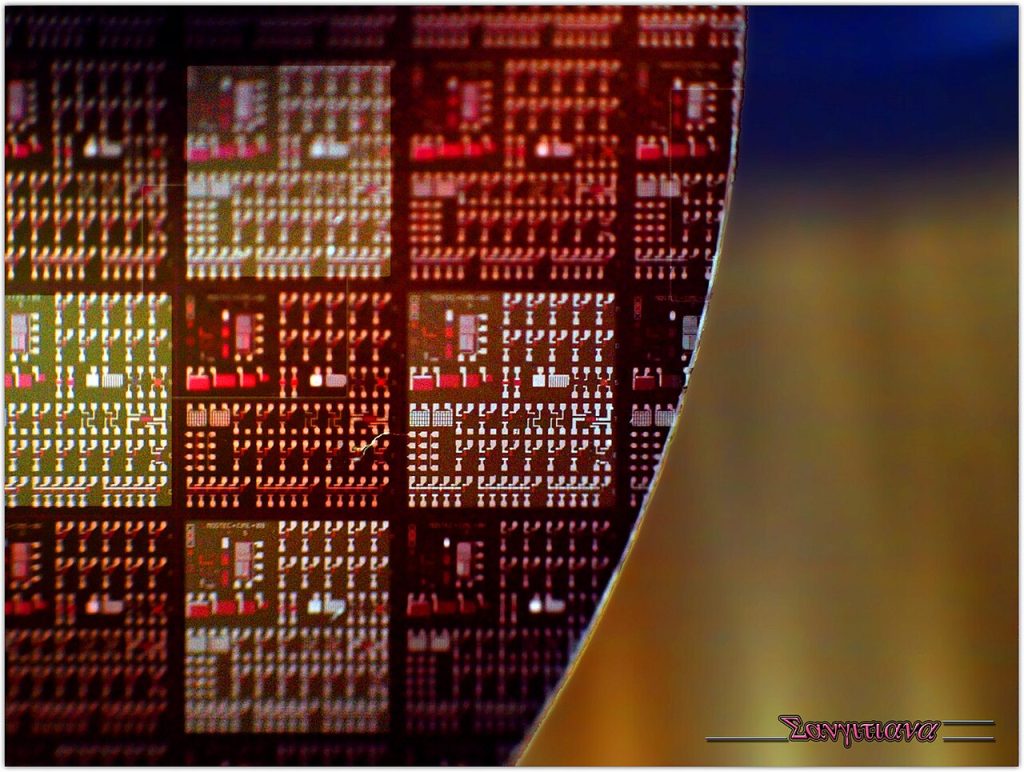
A chip factory turns blank silicon wafers into thousands of tiny processors. A modern chip holds billions of transistors, each far smaller than a virus, and making them takes hundreds of precise steps repeated in layers.
The process involves coating a wafer with light-sensitive material, projecting patterns onto it with extremely precise optics, etching away material, depositing new layers and testing the result. A wafer may pass through the same machines many times before it is finished, and each pass has to line up with the previous layers to a tiny fraction of a hair’s width.
Why the price tag is so high
Start with the equipment. A single advanced lithography machine, the tool that prints the patterns, can cost as much as a large commercial aircraft, and only one company in the world makes the most advanced version. A chip factory needs many of those plus hundreds of other machines for etching, cleaning, measuring and inspecting.
Then there is the building. A chip factory is not an ordinary factory. It needs clean rooms where the air holds almost no dust, vibration control, ultra-pure water in huge volumes, stable power and careful chemical handling. Much of the construction budget goes into the invisible infrastructure around the machines rather than the machines themselves.
The workforce is the third cost. Running a chip factory takes thousands of skilled engineers and technicians, and hiring, training and keeping them is a huge challenge, especially in regions that have not had a chip industry for decades.
Last comes the learning curve. Even after everything is built, the first output is rarely good. Yield, the share of chips that actually work, starts low and improves with experience. Established manufacturers have decades of accumulated know-how that a newcomer cannot simply buy. Picture a new chip factory where only a small fraction of the first wafers produce usable chips. Every failed wafer still consumed expensive materials and machine time, so the early months can lose money no matter how good the plan looked.
This is also why fabs cluster near each other. Suppliers of gases, chemicals and spare parts want to be a short drive away, and engineers want a job market with other fabs in it. A lone plant in a place with none of that has to build the whole neighborhood too.
Why a chip factory takes years
Construction alone can take two or three years. After that comes installing and calibrating equipment, running test wafers and slowly raising yields. Permits, power connections and water access add more time.
Supply chains complicate matters. Specialized tools have long lead times, and a delay in one component can hold up the whole schedule. The people who install the tools often have to be flown in, and their calendars are booked long in advance.
Why do companies bother? Because chips sit inside nearly everything: phones, cars, medical devices, data centers. During the supply shortages of recent years, carmakers had to idle assembly lines for lack of inexpensive parts, which showed how fragile the system can be. Building a chip factory, or partnering closely with one, gives a company more control over supply and cost, and governments have encouraged domestic production through incentives, citing economic and security reasons.
The risks, and how to read an announcement
The risks are real. Chip markets swing from shortage to glut, so a fab built at the peak can open into a slump. Technology moves too: the process that looks cutting-edge when planning begins may be mid-range by the time production starts. Talent shortages can leave even a perfect building underperforming, and fabs use a lot of electricity and water, which matters to the communities nearby.
When you see a new project, a few questions help separate substance from hype. Is there a site, a timeline and a named equipment plan, or just a headline figure? Who will operate it, and do they have a manufacturing track record? What will it make: leading-edge processors, older but widely needed chips, or memory? Are customers lined up? And how much of the cost is public subsidy versus private money?
For everyday buyers, a new factory does not change the price of your laptop next quarter. Benefits, if they arrive, show up over many years as supply becomes more diverse and less exposed to a single region or disaster. Local effects are more immediate: construction jobs, supplier companies and housing demand can transform a region, and so can strain on water and power.
The big picture is that chips are a long game. Ambitious plans are welcome, but a chip factory is only successful when it consistently produces working chips that someone wants to buy. That takes patience, expertise and a lot of boring operational discipline long after the groundbreaking ceremony.
Related reading: Fusion Power and the Electronics Behind It: A Plain-English Primer and Solar Roof Tiles Explained: Why Beautiful Rooftop Solar Is Hard.
Photos: Sangitiana Fararano (CC BY-SA 2.0, Wikimedia Commons); Santi (CC BY-SA 2.0, Wikimedia Commons).