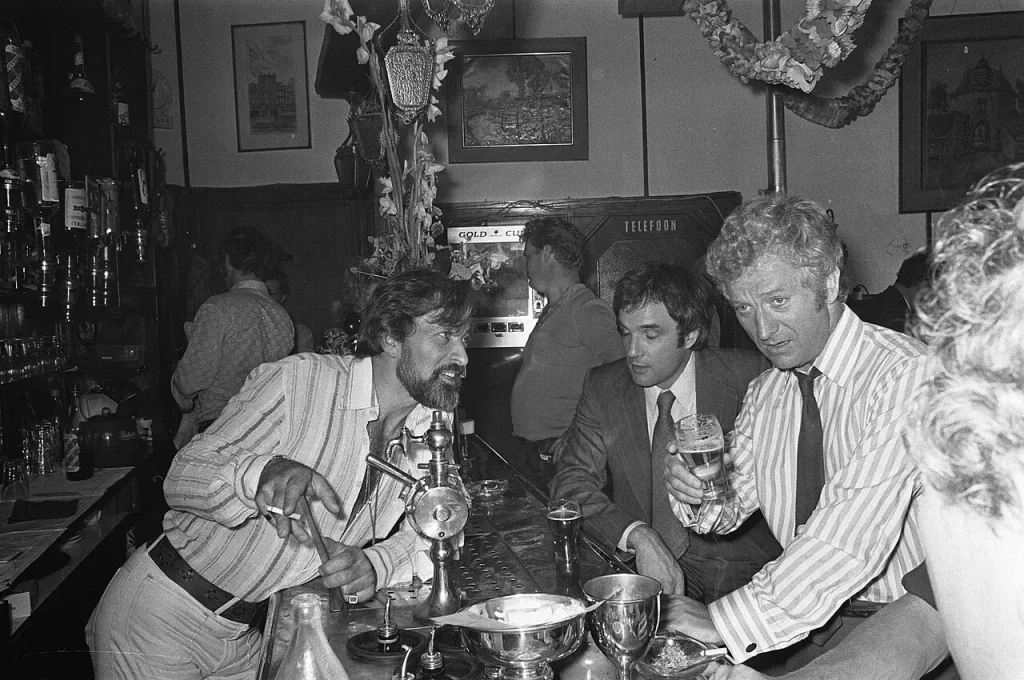
Open a heavy door on a rainy November afternoon, step past a curtain, and the noise of the street drops away. Candles flicker, the wood on the walls has gone dark, and someone is carrying a tray of small glasses to a table in the corner. That is the brown bar Amsterdam is known for, or in Dutch, a bruin cafe: a small, old-fashioned pub that does a quiet job of being the city’s living room.
Why are they called brown?
The name comes from the colour. Decades of tobacco smoke stained the walls and ceilings a deep, toffee-like brown, and dark wood panelling and heavy furniture added to it. Smoking has been banned indoors in the Netherlands for years now, but the colour stayed, and the atmosphere has too. Some cafes still keep a thin layer of sand or sawdust on the floor, a habit from the days when it soaked up spills and mud from boots.
What makes a proper brown bar?
- Dark wood, low light and often candles on the tables.
- A heavy Persian-style rug on the table instead of a cloth, in older places.
- A small bar, a few tables and a mix of regulars and visitors.
- A limited menu: beer, jenever, coffee, simple snacks.
- No hurry. Nobody will ask you to leave after one drink.
It is the opposite of a flashy cocktail bar. People come to talk, read a newspaper, play a board game or just sit.
Where to find a brown bar Amsterdam locals trust
There are hundreds of them, and plenty of newer places borrow the style. A few older names come up again and again, though dates are often claims rather than proven facts, so take them with a pinch of salt.
Cafe Hoppe
On the Spui square, Hoppe dates back to the seventeenth century by its own account and draws a mix of students, writers and visitors. The crowd spills onto the pavement on summer evenings. It is a good first stop because it is easy to find and has the classic look.
Cafe Papeneiland
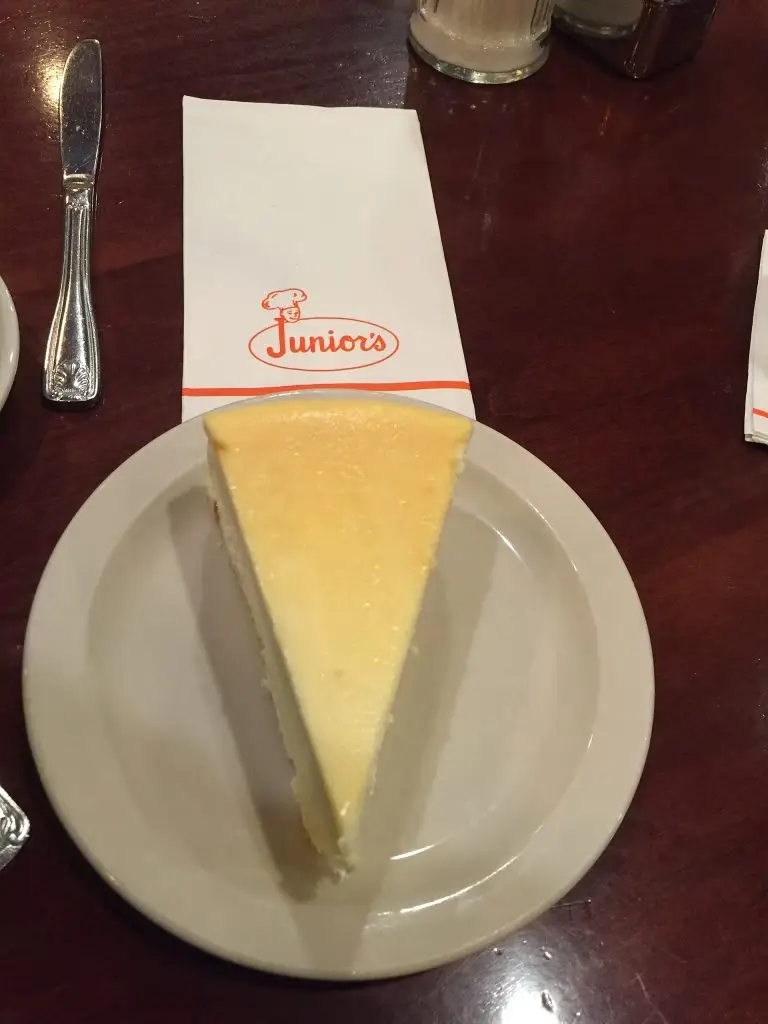
On the Prinsengracht in the Jordaan, Papeneiland is known for its tiled walls and a stove in winter. It also has a reputation for apple pie, which is worth trying with a coffee in the afternoon.
‘t Smalle
On the Egelantiersgracht, ‘t Smalle has a terrace right by the water that is lovely on sunny days. It was originally a distillery, and the building still has that old feel.
Cafe de Dokter and In ‘t Aepjen
Cafe de Dokter is tiny, tucked into a narrow lane near the Dam, and feels like a private room. In ‘t Aepjen on the Zeedijk is one of the few remaining wooden buildings in the city, and the story that sailors once paid with monkeys is told with enthusiasm, though nobody can prove it.
What to order
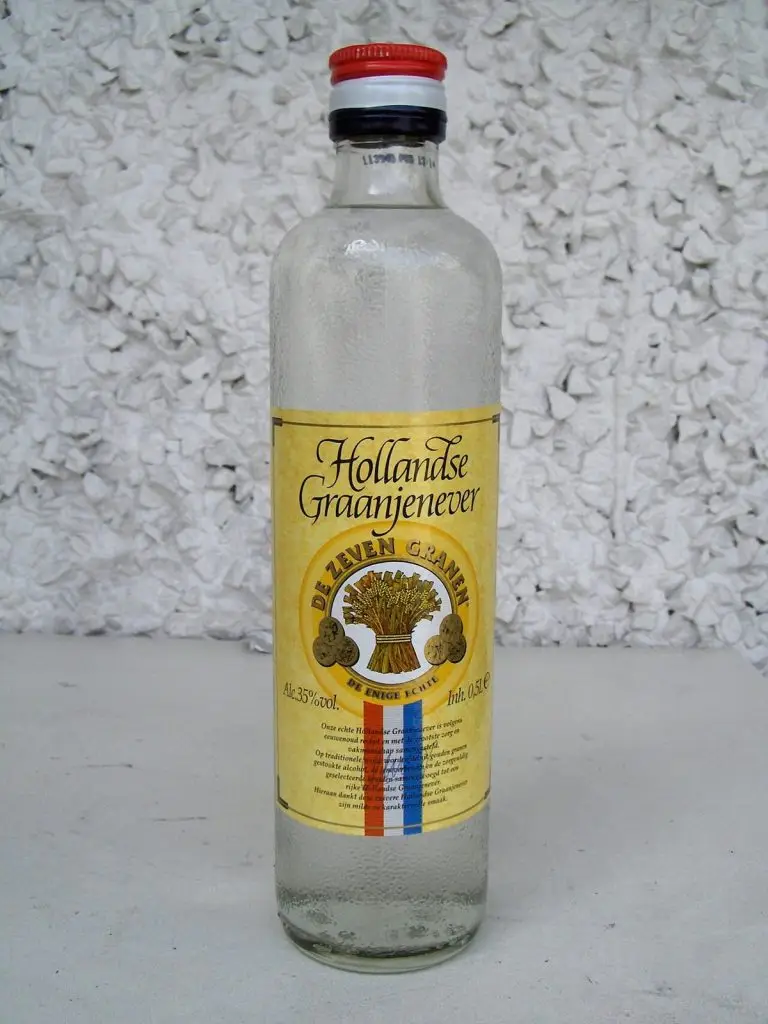
Start with a local beer. Many brown cafes serve a pils on tap, but they often have Belgian or Dutch speciality beers too, and the staff will happily recommend something. If you want something stronger, try jenever, the Dutch spirit that was the forerunner of gin. It is served in a small tulip-shaped glass filled to the brim, and the custom is to bend down and take the first sip without lifting it, which looks funny but works. Coffee is also a serious order, and some places serve it with a small biscuit.
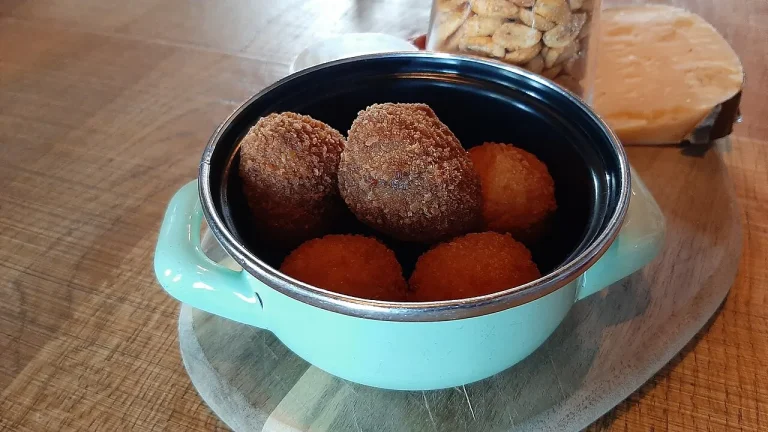
For food, bitterballen are the obvious choice: crispy fried balls with a soft meat filling, served with mustard. Cheese cubes, sausages and toasted sandwiches round out the usual list. Check the kitchen hours, since many places stop serving early.
How to behave
- Find a table yourself, and do not wait to be seated unless there is a sign.
- Order at the bar in smaller places, as table service is not always offered.
- Keep your voice moderate, because many cafes are tiny and sound carries.
- Tipping is appreciated but modest: rounding up the bill or leaving a euro or two is typical.
- Cards are accepted in most places, but keep a little cash in case.
When to go
A brown bar is at its best on a cold, grey day, when the warmth of the place feels earned. Late afternoon is a nice time for a quiet drink, while evenings get busier and noisier, and weekends can be crowded. If you want the full flavour, avoid the tourist-heavy streets and look in the Jordaan or on the smaller canals, where locals outnumber visitors.
The shortest way to describe it: no gimmicks, no fuss, just a warm room and a decent drink. If you spend a single evening in a brown bar Amsterdam style, you will understand the Dutch word gezellig, which roughly means cosy and sociable and does not translate neatly into English.
More from us: Food & Drink.