Singapore is a small island, but its neighbourhoods have strong and different personalities. Whether you are visiting for a few days or thinking about living there, knowing the best neighborhoods in Singapore helps you decide where to eat, stay and wander.
Best neighborhoods in singapore: how Singapore is laid out
The city is compact and well connected by the MRT, the metro system, and buses. A trip across the island rarely takes more than an hour. The central area includes the downtown core, the river and the historic districts. Residential neighbourhoods spread outwards, each with its own food centres, markets and parks. Check current MRT maps for the newest lines.
Tiong Bahru
One of the oldest housing estates in Singapore, Tiong Bahru is known for its low-rise Art Deco buildings, independent cafés and bookshops. The Tiong Bahru Market has a hawker centre where you can try local dishes. It feels relaxed and local, though it has become fashionable, and prices reflect it.
Kampong Glam
This area is built around the Sultan Mosque and the historic Malay-Arab quarter. Haji Lane has small boutiques and street art, and Arab Street is known for fabrics and cafés. It is lively in the evenings and a good place for Middle Eastern and Malay food.
Little India
Colours, spices and music define Little India. Visit the Tekka Centre, a market and hawker complex, and the Sri Veeramakaliamman Temple. The area is busiest on weekends and during festivals such as Deepavali, which usually falls in October or November.
Chinatown
Chinatown holds temples, shophouses and food streets. The Buddha Tooth Relic Temple and Thian Hock Keng Temple are historic landmarks. Maxwell Food Centre is famous for chicken rice and other dishes. It is a popular stop, so expect crowds in the evening.
Katong and Joo Chiat
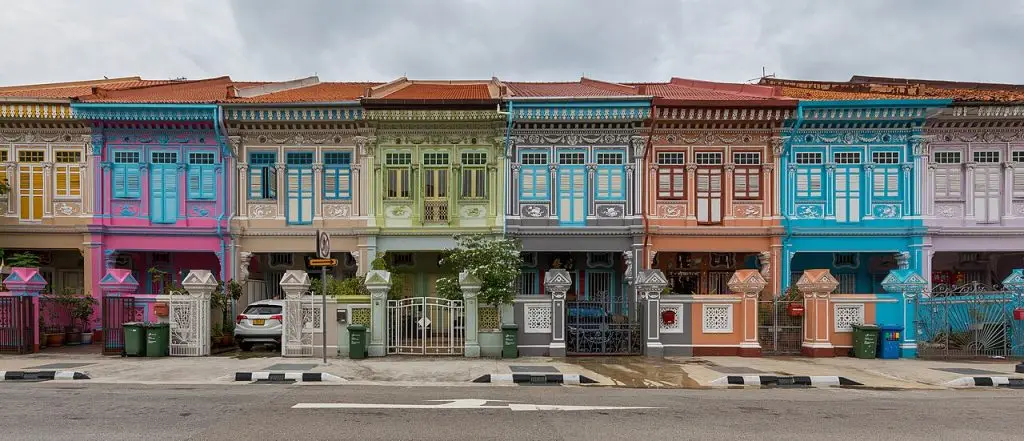
On the east coast, Katong is known for Peranakan culture, with colourful shophouses and food such as laksa and kueh. Joo Chiat Road has many cafés and eateries. It feels more residential, with a slower rhythm.
Holland Village
Often called “Holland V”, it is a longtime favourite with expats and locals. Cafés, bars and boutiques surround a small hawker centre. It is a good place for a casual evening.
Orchard and the Botanic Gardens area
Orchard Road is the main shopping strip, with big malls and hotels. Just nearby, the Singapore Botanic Gardens, a UNESCO World Heritage site, offers green space with the National Orchid Garden. Many hotels cluster here.
Marina Bay and the Civic District
Home to the Marina Bay Sands, Gardens by the Bay and the Merlion Park, this is Singapore’s postcard view. The area is modern and clean, with big attractions and pricey restaurants.
Which neighbourhood suits you?
- First-time visitors: stay near Chinatown, Kampong Glam or the Marina Bay area for easy sightseeing.
- Food lovers: Tiong Bahru, Katong and Little India.
- Families: areas near parks and museums, such as Bishan or the East Coast.
- Young professionals: Tanjong Pagar and the CBD fringe.
- Quiet living: Bukit Timah and neighbourhoods near the nature reserves.
Tips for living or visiting
1. The weather is hot and humid all year, so dress lightly and bring an umbrella.
2. Public transport is efficient and affordable, but check card options.
3. Eat at hawker centres for cheap, tasty meals.
4. Respect local rules. Singapore has strict laws on littering and chewing gum, among other matters.
5. If you plan to live there, check rental prices and visa rules directly on government and property sites.
Getting around between them
The MRT is clean and fast, and a contactless bank card or the local transit card works on buses and trains. Walking between neighbourhoods is pleasant in the early morning or evening but tiring at midday because of the heat. Many covered walkways and shopping malls offer shade and air conditioning. Taxis and ride-hailing apps are widely available, and short rides are fairly cheap, so use them when it rains heavily.
A word on food
Wherever you stay, eat at least one meal at a hawker centre. Order a local plate such as chicken rice or laksa, pay the small price and sit with the crowd. It is the fastest way to feel what daily life in any neighbourhood is like.
Singapore’s best neighborhoods are easy to compare. Pick two or three, spend a day in each and notice how different each feels. You will soon know which one is yours.
More like this: browse our Singapore section.