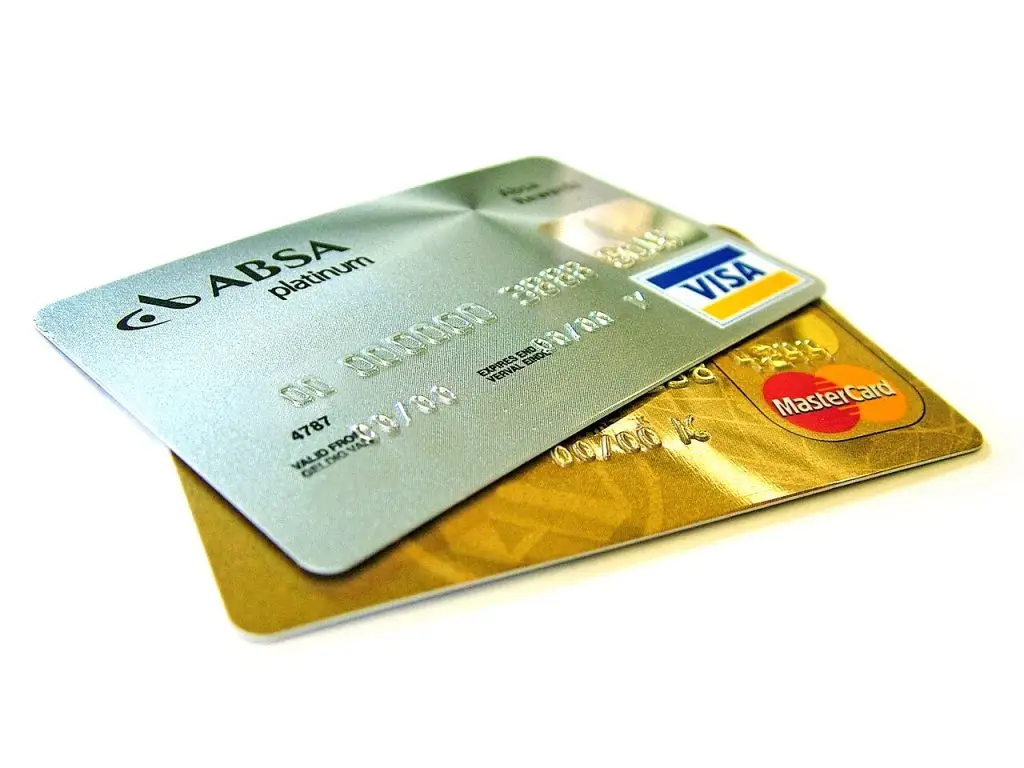
No single card wins for everyone, so a useful answer to best credit card for high networth individuals is a way to compare, not a name to copy. Premium cards charge large annual fees, and they only pay off if you use the benefits. Here is how to judge them, with the usual warning that fees and rewards change often.
The main types of premium card
Mass-market premium cards
These are open to most applicants with strong credit and a high income. Well-known examples include the American Express Platinum Card and the Chase Sapphire Reserve. Annual fees for such cards have been in the hundreds of dollars, with several rising in 2025, and in return they offer travel credits, airport lounge access, hotel status and points programmes.
Private bank cards
Some banks give cards to clients of their private banking or wealth management arms, often with a relationship requirement such as a minimum in assets or deposits. Benefits can include a dedicated service line and special rates.
Invitation-only cards
A few cards are available by invitation, with the best known being American Express’s Centurion Card, which has been reported to carry a large initiation fee and a high annual fee. These cards offer concierge services and elite status with partners. They are not for sale in the usual way, and you cannot apply for them online.
What really matters for a high net worth user
- Your spending pattern. A card that earns more on travel is best if you travel often. One that earns on dining or business expenses suits other lifestyles.
- The real value of credits. Credits for airlines, hotels and streaming are only worth their face value if you would buy those things anyway.
- Lounge and travel perks. Valuable if you fly several times a year, wasted otherwise.
- Foreign transaction fees. Premium cards usually waive them, which is useful abroad.
- Service quality. A responsive concierge and strong fraud protection matter at higher spending levels.
Best credit card for high networth individuals: the maths of the annual fee
Add up the benefits you would actually use in a year, valued at what you would pay for them yourself, and subtract the annual fee. If the result is positive, the card earns its keep. If it is negative, a cheaper card is better, however grand the name. Many wealthy people hold one premium travel card for the perks and a simple no-fee card for everyday spending.
Points and cash back
Points can be worth more when transferred to airline and hotel partners than when exchanged for cash, but they need effort to use well. If you prefer simplicity, a flat cash back card is a good second card. Note that points have no guaranteed value, and programmes can change their rules.
Pitfalls to avoid
- Paying interest. Premium cards carry high interest rates, so pay the balance in full every month.
- Chasing sign-up bonuses. They are tempting, but the spending required can push you to buy things you do not need.
- Ignoring the terms. Benefits can come with enrolment steps, limits and exclusions.
- Too many cards. Managing many annual fees and credits becomes a job in itself.
Business cards
If you own a business, a business card may offer higher limits, expense tracking and rewards on common business spending. Keep personal and business spending separate for record keeping and tax reasons.
For wider money matters, see our guides to wealth management for high net worth clients and what counts as high net worth. The Consumer Financial Protection Bureau publishes a guide to credit card terms at consumerfinance.gov.
A worked example of the fee test
Suppose a card charges seven hundred dollars a year. You would use a three-hundred-dollar travel credit that you would have spent anyway, lounge access worth about two hundred dollars a year given how often you fly, and a hotel benefit worth another one hundred and fifty. That adds up to six hundred and fifty, which is below the fee, so the card does not pay for itself on perks alone. Rewards on your spending, such as points on flights and dining, would need to make up the rest. If they do, it is worthwhile. If not, a lower-fee card is better.
Security and privacy
At higher spending levels, fraud protection, replacement-card speed abroad and the ability to set alerts and limits matter more. Also consider how many cards you carry on trips, and keep a backup in a different place in case one is lost or blocked.
The short answer
For the best credit card for high networth individuals, compare your spending, the real value of credits and the annual fee, then choose the card that pays you back. Verify current fees and terms with the issuer before you apply.
This is general information, not financial advice or a recommendation of any product. Fees and terms change.