The Belgium highlights worth building a first trip around are Brussels for the Grand-Place and the museums, Bruges and Ghent for medieval canal towns, Antwerp for fashion and diamonds, the Ardennes for hills and rivers, and the Flanders Fields around Ypres for First World War history. All of them are close together, so you can see a lot without long journeys.
Belgium is small, roughly the size of Maryland, and it has an excellent train network, so most travellers base themselves in one or two cities and take day trips. Train times and fares change; the Belgian railway (SNCB/NMBS) website has current information.
The big three: Brussels, Bruges and Ghent
Brussels is the capital and home to major EU institutions. The Grand-Place, the main square ringed by guild houses and the town hall, is a UNESCO World Heritage Site and the obvious first stop. Nearby are the Manneken Pis (smaller than most people expect), the comic-strip murals, the Royal Museums of Fine Arts and the Art Nouveau houses of architects like Victor Horta. In the evenings you can eat mussels, frites and waffles, in that order or any other.
Bruges is the postcard: canals, bridges, brick houses, swans, a belfry. It’s very busy during the day, especially in summer and around Christmas. Walk early in the morning or after the day-trippers leave, take a canal boat for the angle on the houses, and climb the Belfry if you can handle the steps. Opening times and ticket prices should be checked on the official city site.
Ghent is often a favourite for people who prefer a place that feels lived in. The Graslei and Korenlei quays, Gravensteen castle and the Saint Bavo Cathedral, which houses the Ghent Altarpiece, are the headline sights, but the student population keeps bars, cafés and restaurants lively into the night. Many visitors say it’s the best-balanced of the three.
More Belgium highlights beyond the big three
- Antwerp: a port city with the Cathedral of Our Lady, which holds paintings by Rubens, the grand Central Station, the Mode district for fashion, and the historic diamond trade near the station.
- Mechelen and Leuven: smaller university and cathedral towns, easy day trips from Brussels, with fewer crowds.
- Ypres and Flanders Fields: the In Flanders Fields Museum in the rebuilt Cloth Hall and the Last Post ceremony at the Menin Gate are the most moving parts of a visit. Check the official sites for ceremony details.
- Dinant and the Meuse valley: a dramatic cliff-and-citadel setting on the river in Wallonia.
- The Ardennes: forested hills for hiking, cycling and kayaking, better with a car or a plan for buses.
- The coast: long beaches and the coastal tram from De Panne to Knokke, which is a pleasant way to cover the whole shoreline.
Beer, chocolate and food among the Belgium highlights
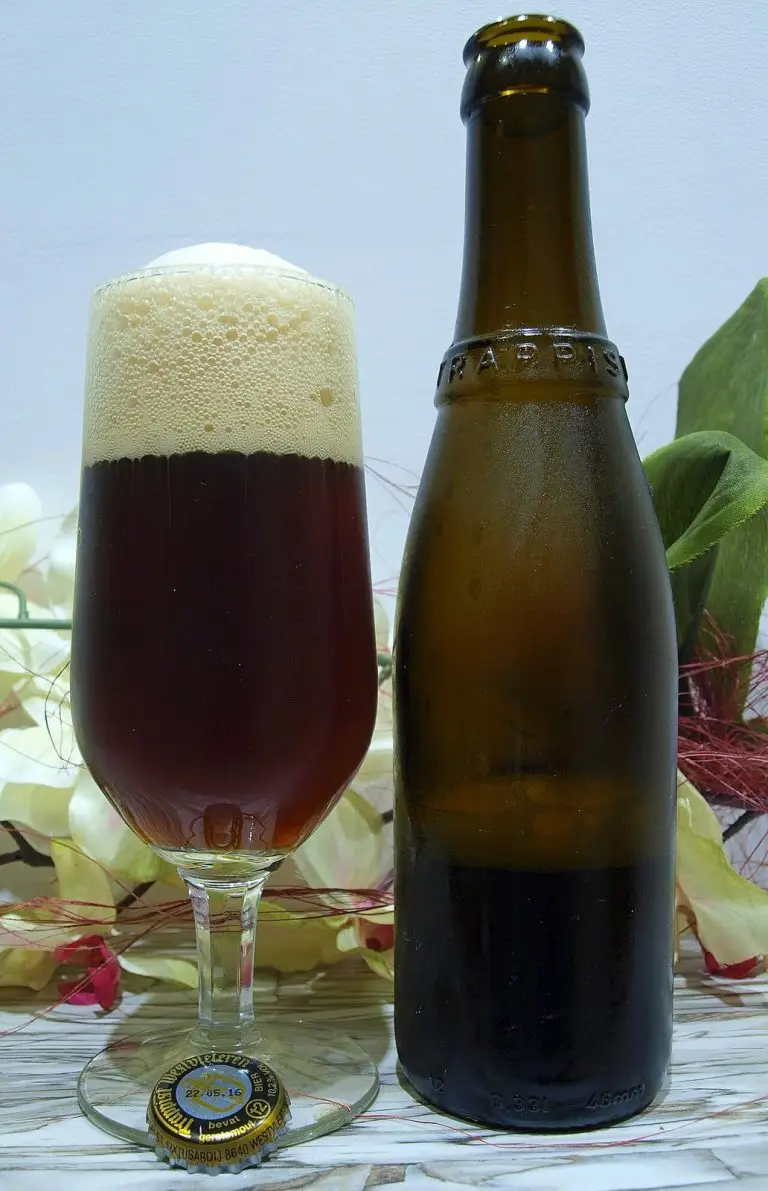
Belgian beer culture is recognised by UNESCO on its list of intangible cultural heritage, and the range is wide: Trappist ales, lambics and gueuze in the Brussels area, fruity and witbier styles, and plain local lagers. Many bars have long menus, so asking for a recommendation by taste (dry, sweet, sour) usually works better than staring at the list. Strong beers really are strong; pace yourself.
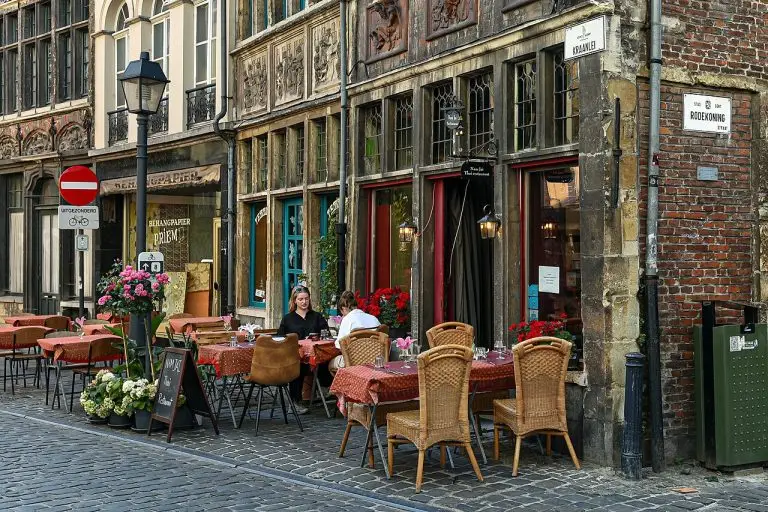
Chocolate shops are everywhere. Compare a few shops rather than buying the first box you see, and avoid the ones that smell of cheap souvenir. Frites come in paper cones with mayonnaise, and stew dishes like carbonnade flamande are classic comfort food. Opening hours and kitchen times vary, and many restaurants close one or two days a week, so check before you go.
Planning a Belgium trip
How long for the Belgium highlights?
Five to seven days is a good length for the main Belgium highlights: two nights in Brussels, two in Bruges or Ghent, and one in Antwerp, plus a day trip to Ypres or Dinant if time permits. A long weekend works if you pick just one or two cities.
When to go?
Spring and early autumn are comfortable and less crowded than midsummer. Winter is chilly and grey but the Christmas markets in Brussels, Bruges and elsewhere have a loyal following, and the museums are quieter. Rain can come any month, so bring a light waterproof.
Languages and getting around
The country has three official languages: Dutch in Flanders, French in Wallonia and German in a small eastern region, while Brussels is officially bilingual. English is widely understood in tourist areas. Trains connect the big cities, and the cities themselves are easy to walk. Cobblestones can be hard on wheeled bags.
Whatever you choose, the Belgium highlights reward slow wandering over ticking boxes. Check official tourism sites, such as visitbelgium.com, for current hours and events before you go.
For background, the Belgium article on Wikipedia is a useful starting point.
Related reading: Sergiyev Posad: Day Trip to Russia's Monastery Town · hoorn