Ask most travellers to picture the Balkans and Kosovo rarely comes first, which is a shame, because beautiful Kosovo is full of mountain scenery, Ottoman-era towns and medieval monasteries, all packed into a country smaller than many US counties. It is also one of the cheaper places in Europe to travel, uses the euro, and has a young, sociable population that is generally keen to talk with visitors. This guide covers the places most worth including, and some practical points that help the trip go smoothly.
Prizren: the postcard town
Anyone searching for beautiful Kosovo will see Prizren first in photos.
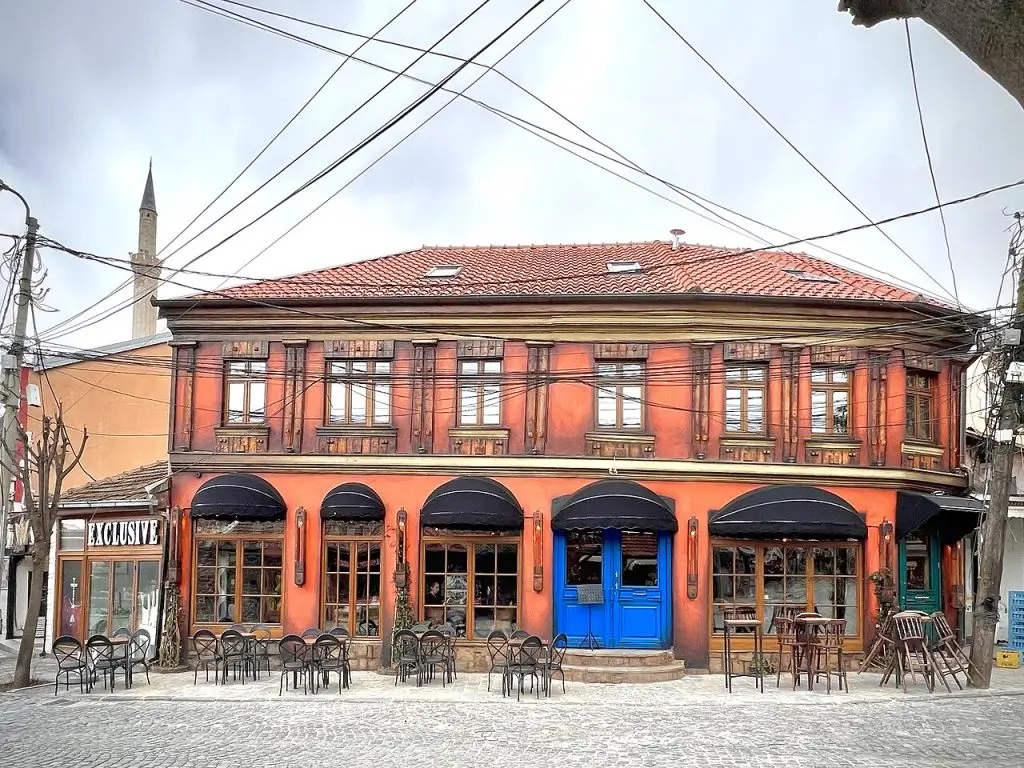
Prizren is often called the most attractive town in the country, and the description is fair. The Lumbardhi River runs through the old centre, crossed by an old stone bridge, with the Sinan Pasha Mosque and the Orthodox Church of Saint George close together on the banks. Above the town the Kalaja fortress gives a wide view over the red roofs and minarets. In late summer the town hosts DokuFest, an international documentary and short film festival that draws crowds, so book early if you are visiting then.
Prizren is also a good base for walks in the nearby Sharr mountains, and for a taste of local cooking: grilled meats, flija, a layered baked dish, and strong coffee served all day.
Peja and the Rugova Gorge
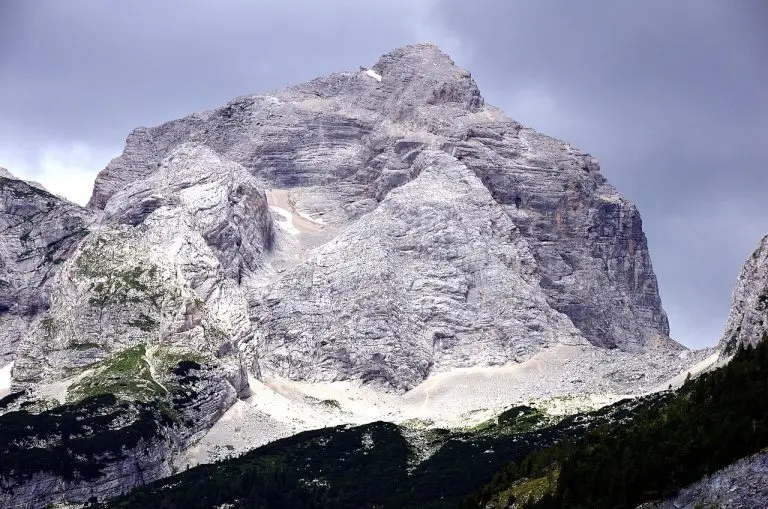
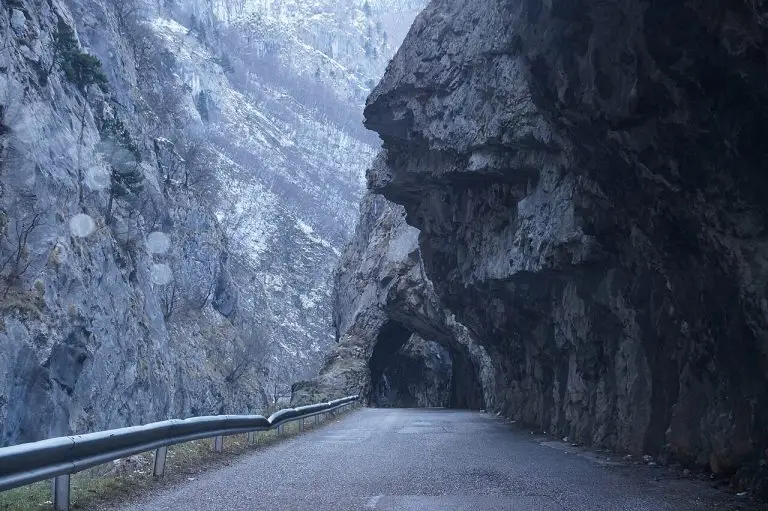
Peja, in the west, sits at the foot of the Accursed Mountains, known locally as the Bjeshkët e Nemuna. The Rugova Gorge opens right beside town, a dramatic cut through limestone cliffs with a road, hiking trails and a via ferrata route for people with the right gear and experience. Peja is a base for the Peaks of the Balkans trail, a long-distance route that crosses into Albania and Montenegro. Hiking season runs roughly from late spring to early autumn, and snow can linger on high routes into early summer.
The Patriarchate of Peć
On the edge of Peja stands the Patriarchate of Peć, a medieval Serbian Orthodox monastery complex with frescoes that are inscribed on the UNESCO list. A short drive away is Visoki Dečani, another UNESCO-listed monastery and one of the best-preserved medieval buildings in the Balkans. Both are active religious sites. Dress modestly, ask before taking photos inside and expect that you may need to show ID or follow security procedures at the entrance.
Pristina: capital with character
Beautiful Kosovo is not only mountains; the capital has its own appeal.
Pristina is not a conventional beauty, but it has a lot of personality. The pedestrian Mother Teresa Boulevard runs through the centre, cafés spill onto the pavement, and the National Library, a dome wrapped in a metal lattice, is one of Europe’s more unusual public buildings. The yellow-lettered NEWBORN monument is repainted each year on the anniversary of independence in February. Pristina also offers a brutalist side that architecture fans will enjoy.
Nearby, the Gračanica monastery, another UNESCO-listed Serbian Orthodox site, and the Germia park are easy half-day add-ons. The Mirusha waterfalls and the Gadime Marble Cave are also reachable by road, and give a good break from city sightseeing.
Gjakova, Mitrovica and other stops
Gjakova has an old bazaar, the Hadum Mosque and a long tradition of craftsmanship, and it makes a good half-day from Prizren. Mitrovica, in the north, is a divided city and can be a deeper subject for anyone interested in modern history, but it is wise to check travel advice and local conditions before going.
When to go and how to get around
Late spring and early autumn give the best balance of weather and light crowds. Summers can be hot in the lowlands; winters bring snow and skiing around Brezovica in the south, though facilities there are modest compared with the Alps. Public buses connect most towns and are cheap, though schedules are informal; hire cars are widely available and make the mountains easier. Roads are mostly decent, but driving styles can be assertive.
Practical tips
- Carry some cash, as cards are not accepted everywhere.
- Entry rules, border crossings and travel advice can change; consult your government’s foreign travel advice before you go.
- Check whether your phone plan roams in Kosovo, since it is not covered by EU roaming in all cases.
- Tap water is generally fine in towns, but ask locally if you are unsure.
For background on the country, its history and its geography, the Kosovo entry on Wikipedia is a reasonable starting reference. As always, prices, opening hours and border rules change, so check official tourism and government sources before you travel. With mountains, monasteries, old bazaars and a lively capital, beautiful Kosovo makes a strong case for a week of unhurried exploring, and it stays remarkably affordable.
More to read
Image credit: Sharon Hahn Darlin via Wikimedia Commons (CC BY 2.0).