
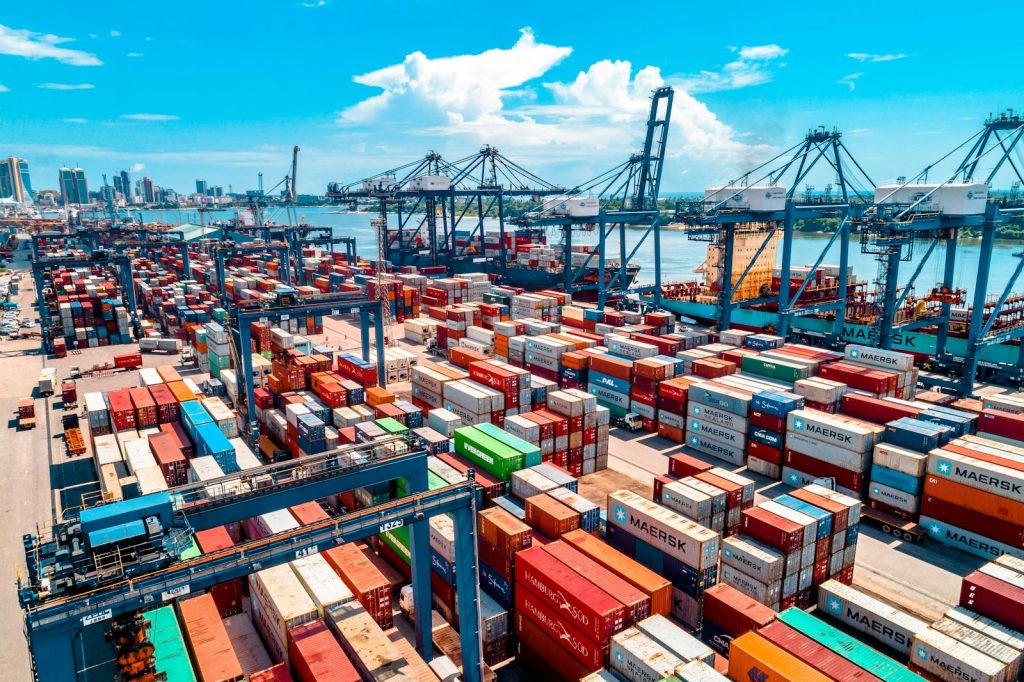
Buying a pair of shoes online is simple. Buying a thousand pallets of packaging material from a supplier you have never met, in another country, with payment terms and customs paperwork, is not. For all the progress consumer e-commerce has made, business-to-business trade in many industries still runs on email threads, spreadsheets, phone calls and PDF invoices. A B2B trade network aims to replace that mess with one shared system.
That gap is why the B2B trade network keeps attracting attention and funding. Here is what it is, how it makes money, and what a business should check before joining one.
The problem a B2B trade network tries to solve
Companies trading across borders or with unfamiliar partners face the same headaches again and again. Who is real, who delivers, who pays on time? What are the agreed prices, quantities, delivery dates and quality standards? Buyers worry about paying upfront for goods that never arrive; suppliers worry about shipping and never being paid. There is paperwork: invoices, purchase orders, bills of lading, certificates of origin, customs forms. And moving money across borders can be slow and costly.
A B2B trade network is a platform that sits between the parties and tries to reduce friction at each of those points.
What a typical network offers
Discovery and verification. A directory or marketplace where businesses list what they sell or need, often with identity checks, business registration verification and ratings from past deals.
Standard workflows. Digital purchase orders, quotes and invoices replace email attachments. Data stays structured, which makes it easier to connect to accounting software. Our look at digital ledger apps for small business shows why clean records matter so much for smaller firms.
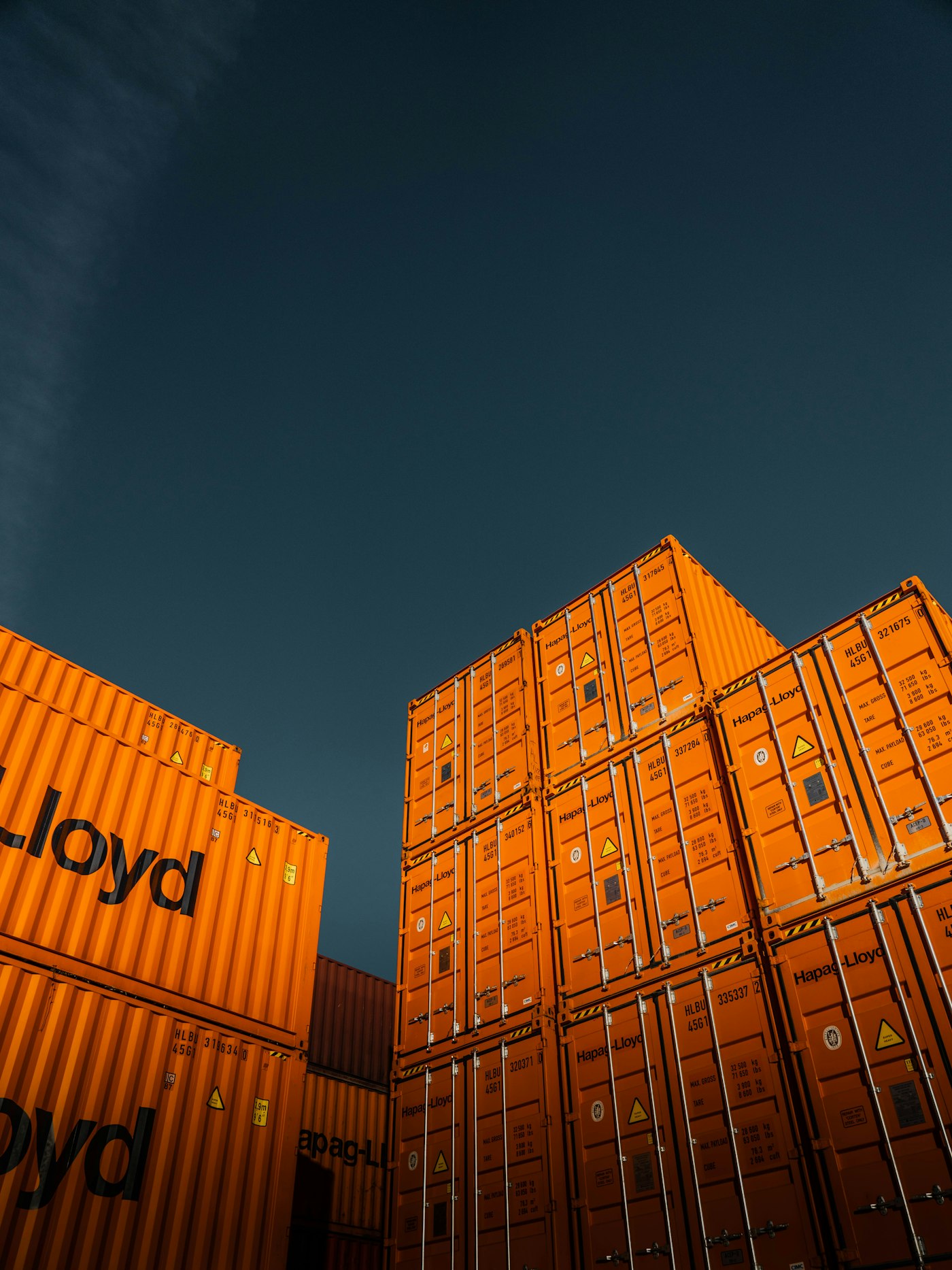
Payments and financing. Many platforms offer escrow-style payments, where funds are held until delivery is confirmed. Some provide trade finance, such as advancing money against an approved invoice so a supplier is paid sooner. For background, the page on trade finance explains the tools involved.
Logistics and compliance. Integrations with shippers, customs brokers and tax tools help goods and documents move together.
How a B2B trade network makes money
Revenue usually comes from several places. Transaction fees are a small percentage of each order. Payment and currency conversion margins add more. Financing fees come from lending or arranging loans. Software subscriptions charge for premium tools, and advertising or promoted listings appear in some marketplaces.
The money is attractive because a B2B trade network can grow in a self-reinforcing way. More suppliers attract more buyers, who attract more suppliers. Once a company runs its orders and payments through a platform, switching becomes inconvenient. Investors like a B2B trade network for those traits, and they also like how large the underlying trade is compared with the fees taken from it.
Why investors worry as well
The same features create risks. Networks must reach critical mass on both sides at once, which is hard. Fraud is a constant threat, since fake suppliers and invoice scams target any trading platform. Lending adds credit risk, so a downturn or a few big defaults can hurt. Regulation varies by country, particularly for payments, sanctions and customs. And customers may use the platform to find partners and then trade directly to avoid fees, a problem sometimes called leakage.
That is why careful backers ask how a network keeps users inside the system, such as by tying payment protection and financing to platform transactions. They also compare it with similar lending businesses, a subject covered in how to vet a fintech startup lender.
A day in the life of an order
Imagine a small furniture maker in one country buying fittings from a supplier abroad. Through a B2B trade network, the maker finds the supplier in a verified directory, sends a request for a quote, accepts it, and pays into escrow. The supplier ships, uploads the shipping documents, and the buyer confirms delivery. Funds are released. If the supplier wants cash sooner, the platform might advance most of the invoice value for a fee. Every step leaves a digital record that both sides can use for accounting and, later, for proving a track record to lenders. Nothing here is magic; it is the old paperwork chain, connected.
What to check before you join
- Verification standards. How does the platform check businesses, and how often?
- Fees in full. Ask for the complete schedule, including currency and withdrawal charges.
- Payment protection. Is money held until delivery, and how are disputes decided?
- Data ownership. Can you export your records if you leave?
- Coverage. Does it serve your countries, products and shipping routes?
- Licensing. Is the payment or lending arm regulated where you operate?
Start small. Run a single low-risk order through a new B2B trade network before moving your main suppliers over, and compare the real cost and time against your current method.
The big idea is that trade is mostly trust plus paperwork, and software can shrink both. A B2B trade network that does so well can save small exporters and importers real money, and that explains the investor interest. But reliability and clear terms matter more than glossy marketing, so test any platform patiently before betting your cash flow on it.


