
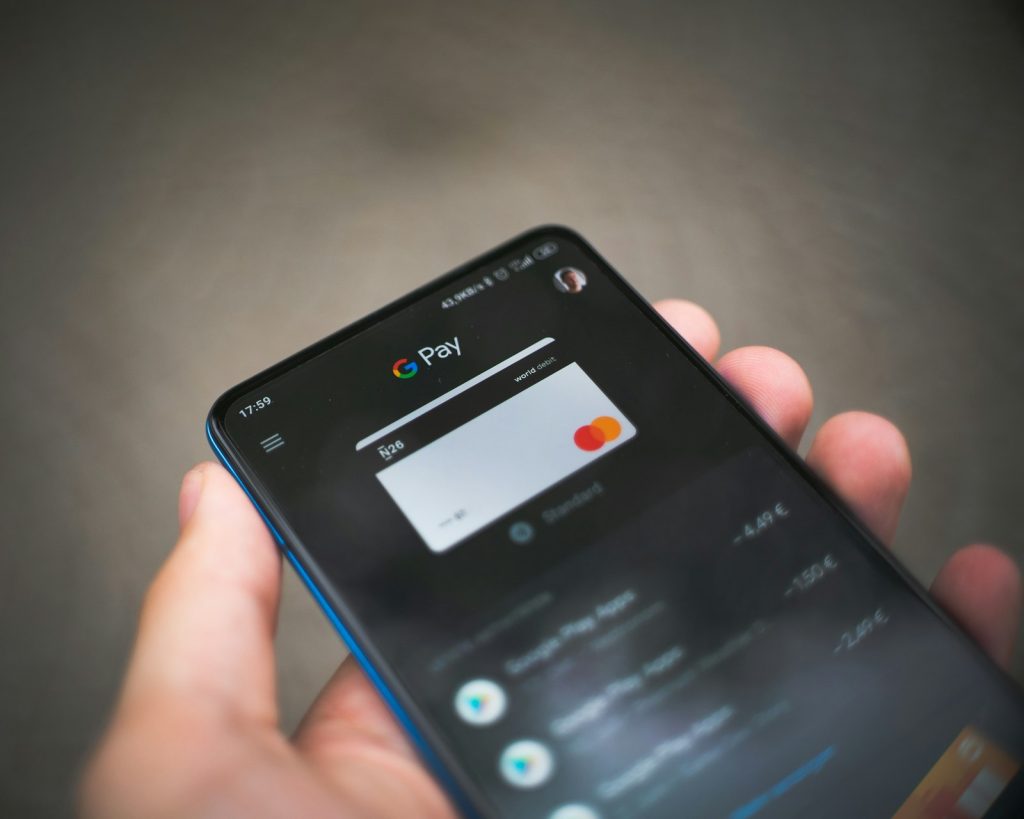
A fintech app can look polished, raise a lot of money and still be a poor place for your savings or a risky lender for your business. Funding is not a safety rating. Investors are betting on growth, and growth bets sometimes fail. If you are a customer, or a company weighing an integration with a young lender or payments provider, you need to vet a fintech startup yourself. Here is the order I would do it in.
Step one: vet a fintech startup’s license first
Many fintech brands are not banks. They partner with a chartered bank that holds deposits or originates loans, while the startup supplies the app and the marketing. That is a legitimate model, but it means you should know which institution stands behind the product. Look in the footer or terms for phrases such as “banking services provided by”.
In the United States, check whether that bank is FDIC insured using the regulator’s lookup tool. Deposit insurance covers the failure of an insured bank, not necessarily the failure of a fintech middleman, so understand how your money is actually held. For lenders, check state licensing databases, since lending usually requires a license in each state. Elsewhere, look for the national financial regulator’s register.
If you cannot find a license or a partner bank after ten minutes of looking, that alone is a reason to pause. It is the quickest way to vet a fintech startup, and it filters out a surprising number of weak candidates.
Step two: read complaints, not just reviews
When you vet a fintech startup, public records beat star ratings. App store ratings are noisy. Regulators often keep public complaint records that are more useful. In the US, the Consumer Financial Protection Bureau publishes consumer complaints, and state attorneys general and banking departments post enforcement actions. Search for the company name and for the founders’ previous ventures.
Patterns matter more than single stories. A handful of angry customers is normal for any company. Dozens describing the same problem, such as frozen funds, unexplained fees or no way to reach a human, point to something structural.

Step three: understand how the company makes money
As you vet a fintech startup, remember that every financial product is paid for somehow. If you do not see a fee, look for the spread, the interchange revenue, the interest margin or the upsell. A product that is free to you may be earning from your data, from a high rate on a later loan, or from selling your balances to a partner. None of that is automatically bad. It just tells you where the incentives point. Our explainer on how micro-saving apps make money shows what that kind of reading looks like in practice.
A business with no clear revenue model and a generous offer deserves extra questions. Rates that sit far above everyone else’s are a classic warning sign, because someone has to pay for them.
Step four: check the money trail and the people
Look at who runs the company and how long it has existed. A young company is not disqualified, but you should be able to find named leaders with verifiable histories. Read the latest funding announcement for what it does and does not say. Investment tells you people believed in the pitch, not that the product is safe. If a company’s valuation falls sharply, that can also change its behavior, a pattern covered in how to read a payments company’s valuation drop.
Also look at the runway. A company that raised a large round recently has time to fix problems. One that has gone quiet, frozen hiring and stopped announcing features may be running short.
Step five: test with a small amount first
Paper checks only go so far. To vet a fintech startup in practice, try the service with a small deposit or a small loan application. Check how fast money arrives, how clear the statements are, whether support answers real questions, and whether withdrawals work smoothly. Many problems show up only when you try to leave.
It also helps to read the terms around account freezes and fund holds. Some fintechs reserve broad rights to pause activity for review. Know the process before you need it.
Step six: plan your exit before you enter
Ask what happens if the company shuts down or is sold. Where are balances held? How would you get your money back? Can you export transaction history? Keep your own records, and avoid putting all your emergency cash in one new provider. This is a basic habit rather than pessimism. Even good businesses fail, and a short checklist now beats a long scramble later.
For business partners, add a technical layer: ask about security reviews, uptime history and data protection, and read the contract’s termination terms carefully.
How to vet a fintech startup in one evening
To vet a fintech startup, confirm the license and partner bank, read regulator complaints, understand the revenue model, look at the people and runway, test small, and plan an exit. None of it takes more than an evening, and it can save you from the kind of loss that is hard to reverse. If you want background on how the sector is defined, the Wikipedia article on financial technology is a reasonable starting point. A good company will not mind your questions; if answers are evasive, treat that as an answer too. The same care applies when you vet a fintech startup as a vendor rather than a customer.


