The layout of Amsterdam city center
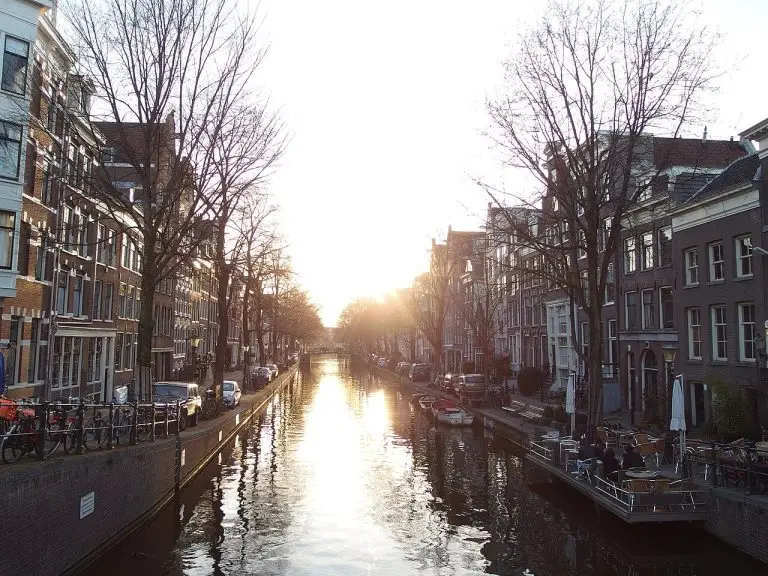
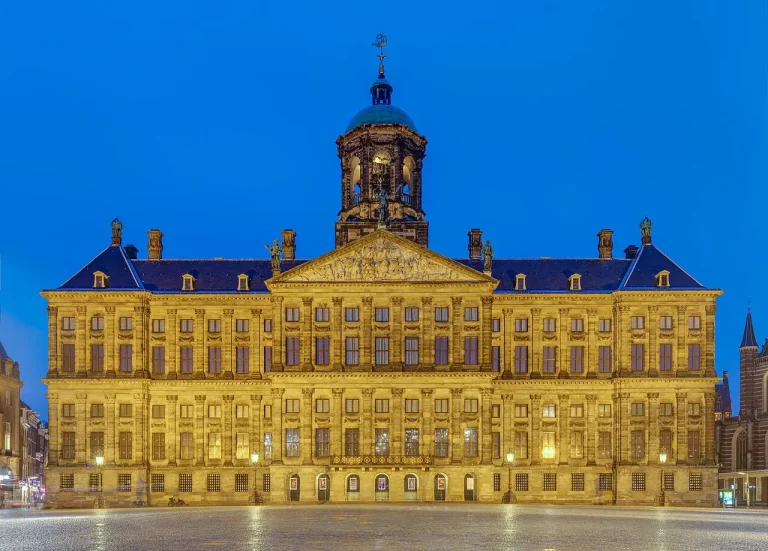
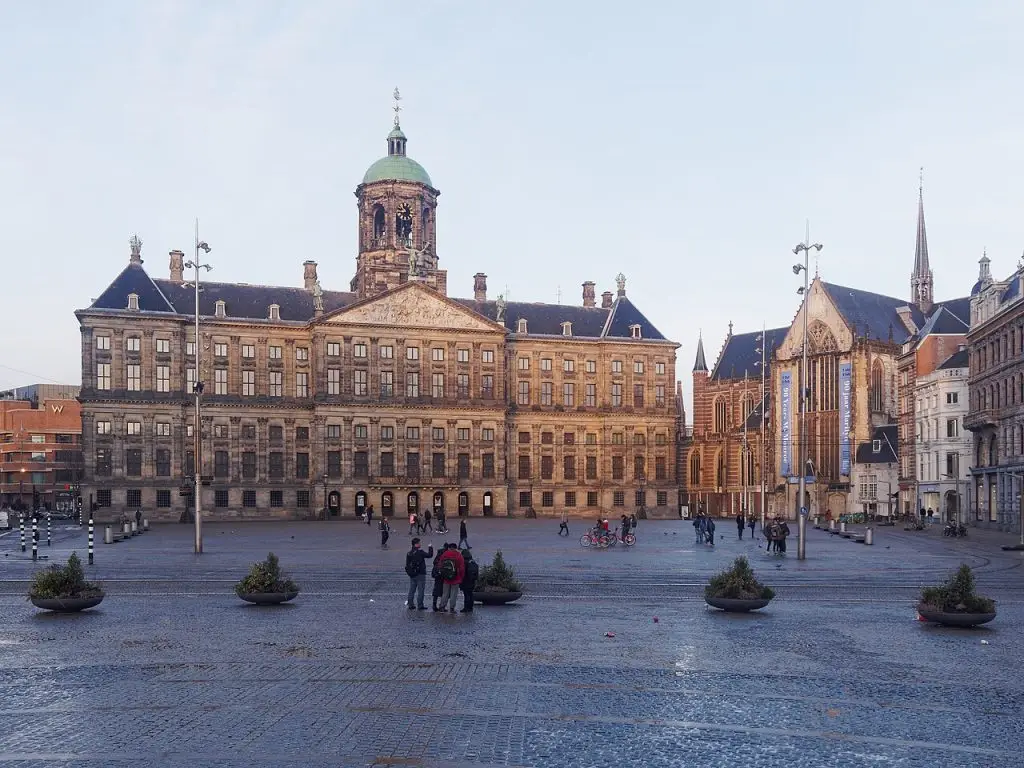
Amsterdam city center is compact and made up of a set of concentric canals. At the middle sits the Medieval centre around the Dam Square, with the Royal Palace and the Nieuwe Kerk. Around that curve the main canals: Singel, Herengracht, Keizersgracht and Prinsengracht, which together form the 17th-century canal ring, a UNESCO World Heritage site. Once you understand this half-circle pattern, you can find your way anywhere.
The main areas
Dam Square and the old centre
This is where the city began. The Royal Palace, the National Monument and the Nieuwe Kerk surround the square, and from there you can walk to the shopping streets Kalverstraat and Nieuwendijk. It is busy and lively, and a good starting point.
The Red Light District
De Wallen is one of the oldest parts of the city, with a medieval church, the Oude Kerk, in the middle. It is known for its nightlife and its windows, and it is also an area of old canal houses. Respect local rules, which prohibit photographing the workers, and be mindful of pickpockets.
The canal ring
The Herengracht, Keizersgracht and Prinsengracht are lined with gabled houses, bridges and houseboats. The Nine Streets, or De Negen Straatjes, connects the canals with small boutiques and cafes. It is the best place for a slow walk.
Jordaan
Once a working-class area, now one of the most charming neighbourhoods, with narrow streets, hidden courtyards (hofjes), brown cafes and the Anne Frank House nearby. The Noordermarkt market is held on Mondays and Saturdays.
Museum Quarter
A short distance from the canal ring, the area has the Rijksmuseum, the Van Gogh Museum, the Stedelijk Museum and the Vondelpark. It is a calm, green district.
Top sights in the center
- Rijksmuseum: Dutch masters including Rembrandt and Vermeer.
- Van Gogh Museum: the largest collection of the painter’s work.
- Anne Frank House: book well ahead, because tickets sell out.
- Royal Palace: open to visitors on most days, but closed during official events.
- Bloemenmarkt: the floating flower market on the Singel.
- Begijnhof: a quiet medieval courtyard near Spui.
Getting around
You do not need a car. In fact, driving is a bad idea, with narrow streets, limited parking and high fees. Walking is the best way to see the centre, and trams cover longer distances. Bicycles are everywhere, and the bike lanes are busy. Look both ways, and always watch for cyclists before stepping into a bike lane. The GVB site lists tram and metro routes and fares.
Where to stay
In the old centre
Close to everything, but noisy at night and often expensive.
On the canal ring
Atmospheric and central. Many canal houses have been turned into small hotels, though rooms are often compact and stairs steep.
Jordaan or Museum Quarter
Quieter, with a more residential feel, but still close to the main sights.
Near Centraal Station
Handy for trains, with plenty of mid-range hotels, though the area is busy.
Book early for spring and summer, and check whether the room has stairs if you have mobility needs.
Food and drink
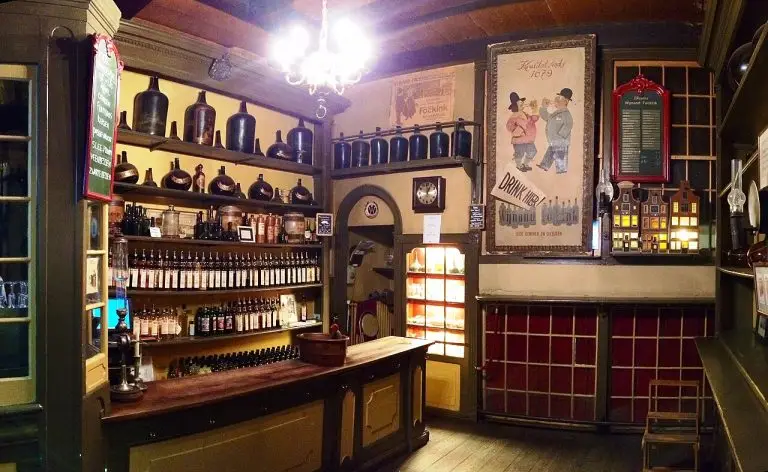
You can eat very well in the centre. Look for Dutch pancakes, herring, cheese tasting, bitterballen and Indonesian food. The city is also known for its brown cafes, cosy pubs with dark wood. Many restaurants near main sights are touristy, so walking a few streets away usually improves both price and quality.
Staying safe and respectful
Amsterdam is generally safe, but pickpockets operate in crowded places, especially near the station and Dam Square. Keep bags closed and phones in front pockets. Do not walk or stand in the bike lanes, and respect the neighbours by keeping noise down at night.
A suggested walking route
1. Start at Centraal Station and walk down to Dam Square.
2. Visit the Nieuwe Kerk or the Royal Palace.
3. Walk through the Begijnhof and to the Spui.
4. Follow the Singel to the Nine Streets.
5. Finish in the Jordaan for dinner.
Seasons in the centre
Spring brings tulips and long days but also the biggest crowds. Summer is warm and lively, with terraces by the water. Autumn is calmer and golden, and winter has the Festival of Lights in the canals, when boats and bridges are decorated. Each season changes the mood of the centre, so pick the one that suits the kind of trip you want.
Final thoughts
Amsterdam city center rewards slow exploration. Give yourself time to walk the canals, avoid the busiest hours at big sights, and always book the Anne Frank House and major museums in advance.
Related reading: Things to Do in The Hague: Beyond the Government District.