
You open a new bank account from your couch. You photograph a driver’s license, take a selfie, and a few seconds later you’re approved. Behind that small moment sits a surprisingly busy chain of checks, and a whole industry that exists to run them. Online identity verification companies are among the quieter pieces of internet infrastructure, and the reason they attract serious investment is simple: fraud is expensive, and the cost of getting it wrong falls on someone.
The problem they solve
When you walk into a branch, a person looks at your face and your ID. Online, nobody can. Anyone can type a name, a birth date and a number. Stolen personal data is widely available after years of data breaches, so a fraudster can often supply all the details a form asks for. The question for a lender, a payment app or a marketplace becomes: is the person on the other end really the person they claim to be, and are they who they say they are right now?
Getting it wrong goes in two directions. Let a fraudster in and you absorb losses, chargebacks and regulatory trouble. Block a real customer and you lose a sale and annoy someone who may never return. Good online identity verification balances both.
For banks, lenders and payment firms there is also a legal reason. Many regulated businesses must confirm who their customers are before opening an account, a practice often called know your customer. Doing that by hand for every applicant is slow and costly, so they hand the routine part to a specialist service and keep humans for the awkward cases.
The layers of online identity verification
Most systems stack several signals instead of trusting one.
- Document checks. The service inspects a photo of a government ID, looking at fonts, layout, security features, and whether the image looks like a screen or a photocopy rather than a real card.
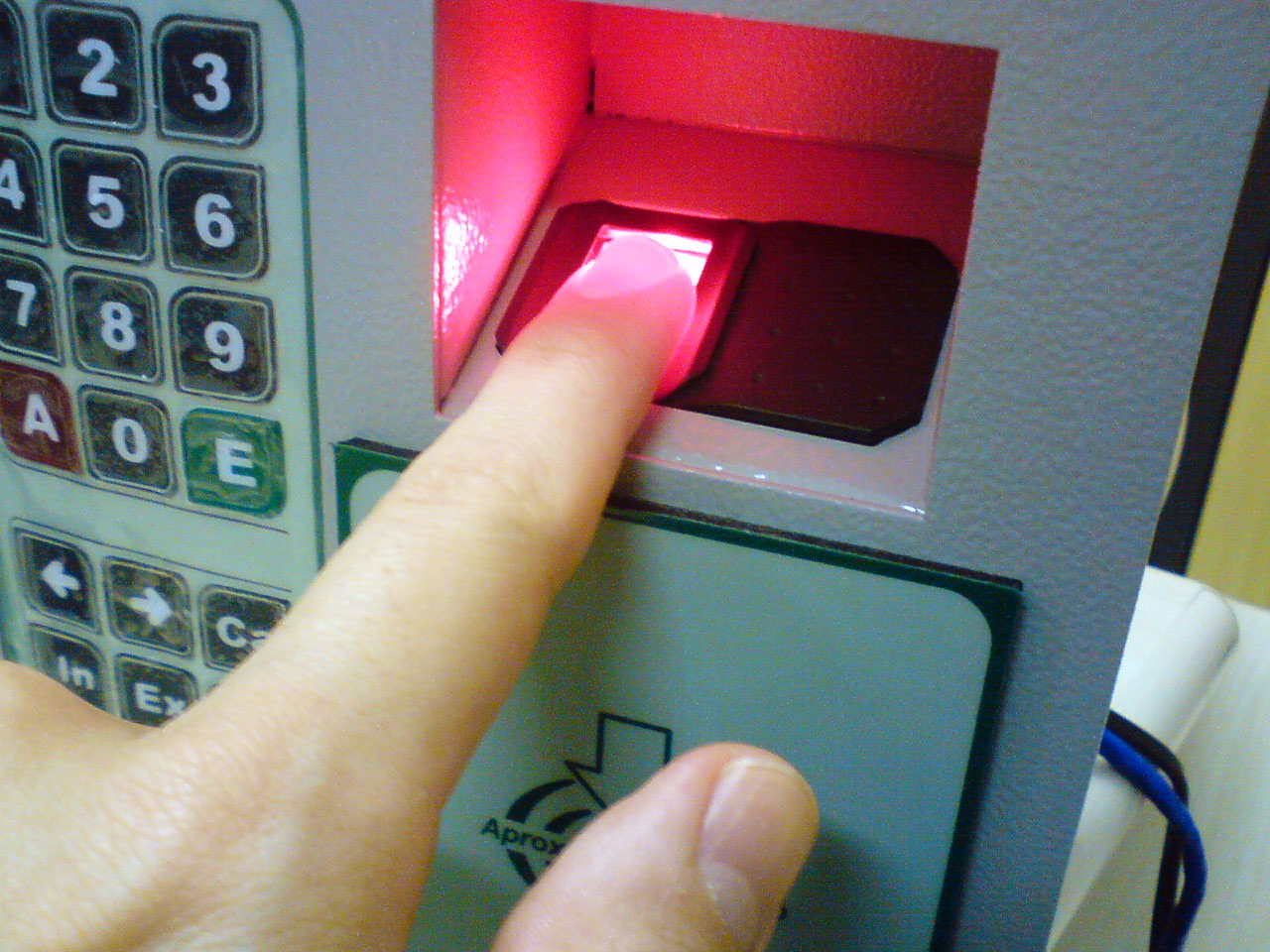
- Face matching and liveness. A selfie or short video is compared with the ID photo, and tests try to confirm a live person is present rather than a printed picture, a replay, or a synthetic face.
- Data lookups. The name, address, phone and email are compared against reliable records to see whether they hang together and whether they have a sensible history.
- Device and behavior signals. How the form is filled, what device is used, whether the network looks suspicious, and whether the same device has opened dozens of accounts. Even a privacy tool can change the picture, which is why people using a VPN are sometimes asked for extra proof.
These signals feed a risk score. Low-risk applicants sail through. Middle cases may get extra questions or a manual review. High-risk ones are declined.
Real customers fail these checks too, and it is rarely their fault. Glare on a license, a shaky camera, a worn card or a name spelled differently from the record can all cause a rejection. If it happens to you, retake the photos in even daylight, use the original document rather than a copy, and look for a manual review option. Good online identity verification should give a person a way to try again without starting over.
Providers also watch for patterns that no single applicant would show: one document appearing on many accounts, or a burst of applications from one device within minutes. That is where scale helps them, because a service that sees millions of attempts can spot a fraud ring faster than any single company could.
Synthetic identities and the arms race
The hardest kind of fraud to catch isn’t a stolen identity but an invented one. Criminals stitch together real and fake pieces, such as a real number paired with a made-up name, and nurture the profile for months until it earns credit. Because no real victim complains, these cases can go unnoticed for a long time.
Generative tools have made things harder. Convincing fake documents and deepfaked faces are cheaper to produce, so verification providers keep upgrading their detection, and attackers keep adapting. It is a genuine arms race, which explains why this category keeps needing new funding and new research rather than settling into a finished product.
Privacy trade-offs
Every one of these checks involves personal data: your face, your document, your address. That raises fair questions. How long is the data retained? Who can see it? Is it used to train models? Regulations such as data protection laws in many regions require clear purposes and limits, but practices differ between providers.
As a consumer facing online identity verification, you can look for a retention policy, ask a company which vendor handles your verification, and prefer services that delete images after the check. As a business, choosing a vendor means weighing accuracy against how much sensitive data you are comfortable placing in someone else’s hands.
How to judge an online identity verification provider
If you’re evaluating one for your own product, a few questions cut through marketing: what share of genuine users pass on the first attempt, how it performs across different skin tones, lighting conditions and ID types, how fast reviews are resolved, and what happens when its decision is wrong. Ask for results from customers like you, not a global average.
The best online identity verification feels invisible when it works and fair when it doesn’t. That is a hard thing to build, and it is why the field keeps drawing attention. Every account worth protecting depends on online identity verification answering one old question, who are you, with a few photos and a little statistics.
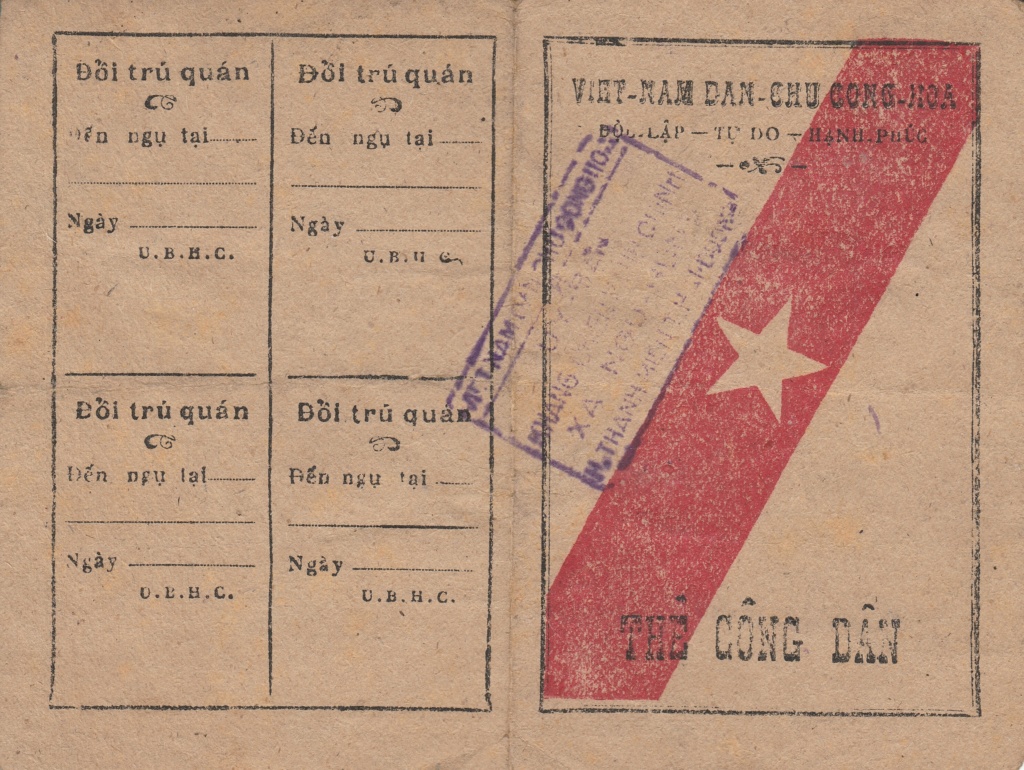
Image: The government of the Democratic Republic of Vietnam. / Wikimedia Commons, Public domain.



