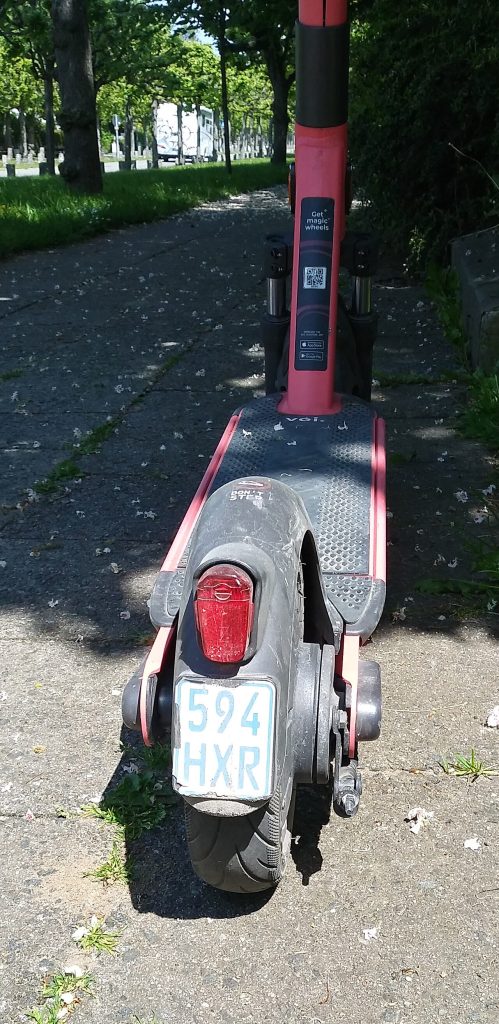
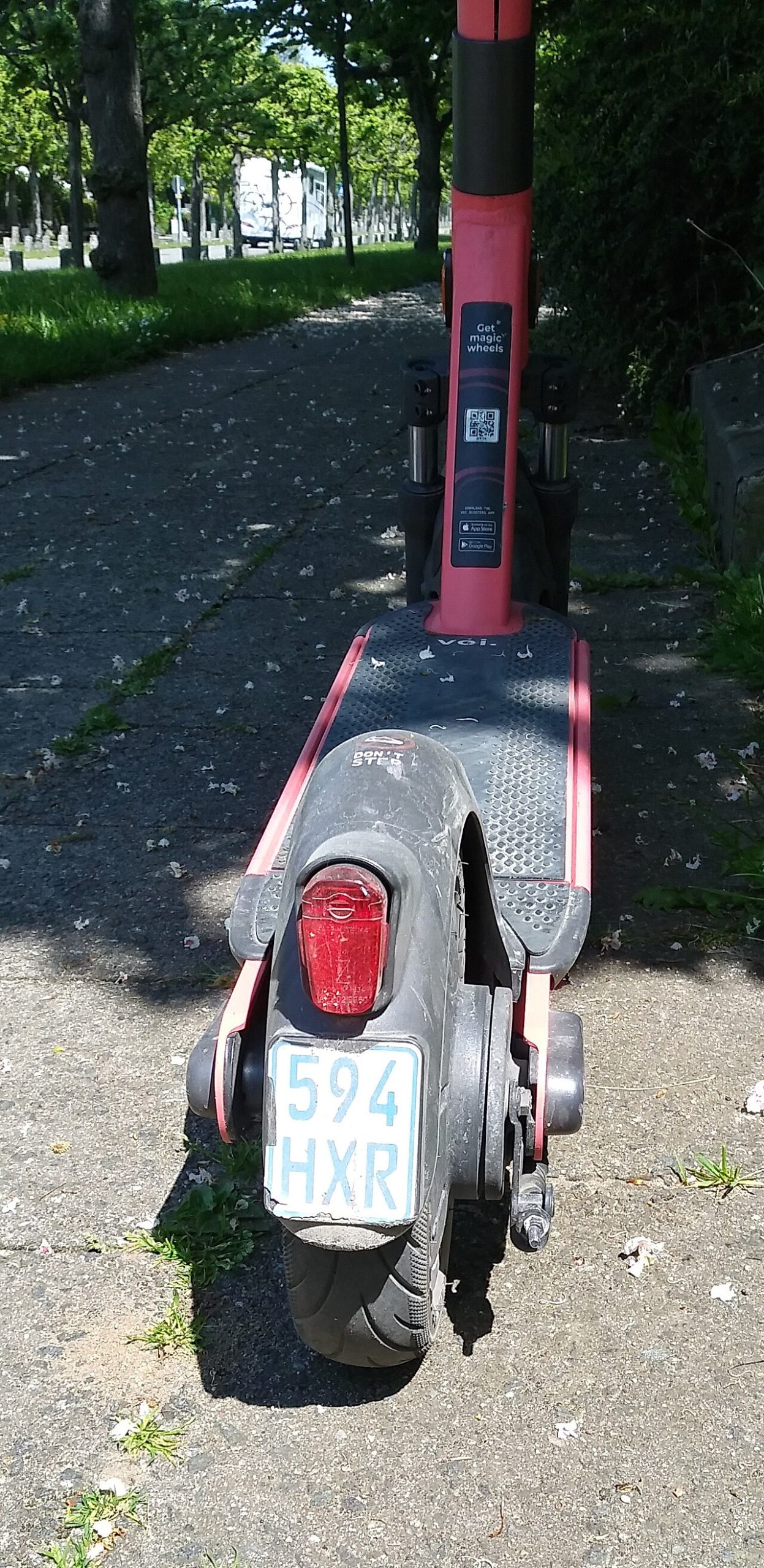
A few years ago, city streets filled with shared electric scooters and mopeds that you could open with an app. Investors poured money into the sector, and many cities welcomed the promise of cheaper, cleaner short trips. Today the picture is more mixed. Several operators have closed, merged, or changed direction, and some moped-sharing firms have stopped the service entirely to focus on other lines such as vehicle charging or ride services. Looking at why shows how hard the economics of shared vehicles can be.
The appeal of shared mopeds
A shared electric moped fills a gap between a bicycle and a car. It is faster than a scooter, handles longer trips, and carries a rider in comfort. For a commuter without a car, it can be a quick way to cross town. For the operator, each vehicle can earn money many times a day.
Where the economics break down
The model sounds simple: rent by the minute and collect fees. In practice, costs add up quickly.
- Vehicle cost and lifespan. Mopeds are more expensive than scooters. If they are damaged, stolen, or worn down in a year, the purchase price is not recovered.
- Charging and swapping. Staff must collect vehicles or swap batteries, which means vans, depots, and wages.
- Parking and rebalancing. Vehicles pile up in some areas and run out in others. Moving them costs time and money.
- Insurance. Motorised vehicles carry higher liability risks than bicycles.
- Permits and fees. Cities charge for permits and may cap fleet size.
- Vandalism and misuse. Damage and theft are real losses.
- Seasonality. Winter and rain cut usage sharply in many cities.
An operator might see strong ride counts and still lose money on every vehicle.
Safety and regulation
Moped riders face crash risks, and helmets are required in many places. Cities have responded to complaints about clutter and safety with rules on parking, speed zones, and licensing. Some rules make operations safer, but they also raise costs. A company that must provide helmets, check licences, and limit areas can struggle to keep prices low.
Common ways companies adapt
When the core service does not earn enough, companies look for new directions.
1. Cut cities and focus. Leave weak markets and double down on the strongest ones. 2. Shift to subscriptions. Offer monthly rentals or leases to commuters rather than minute-by-minute use. 3. Move into charging. Use expertise in batteries and electric logistics to build charging services for fleets or households. 4. Add ride-hailing. Use existing licences and drivers to offer taxi-style rides with a vehicle fleet. 5. License the technology. Sell fleet-management software to other operators. 6. Partner with cities. Run services under contract with guaranteed minimums instead of operating at their own risk.
These changes follow the money: charging and ridehail have clearer revenue than a scattered fleet of rentals.
What it means for riders
If your local service closes, you can still travel quickly. Options include public transit, shared bikes, or owning a personal electric scooter. If you rely on moped sharing, keep a backup plan for your commute and check city announcements about replacement operators.
For anyone who owns an electric vehicle, the shift toward charging services may bring better public charging options.
Lessons for investors and founders
- Unit economics matter before scale. Check that each vehicle earns more than it costs over its life.
- Local rules can change the business overnight.
- Hardware businesses need patient capital.
- Diversified revenue protects against seasonal swings.
The future of shared vehicles
Micromobility is not disappearing. The sector is maturing around fewer operators with better vehicles, swappable batteries, and tighter city partnerships. Durable, well-built vehicles reduce replacement costs. Data tools help place vehicles where demand is highest. In some places, the model works well because density and weather suit it.
Bottom line
Moped-sharing companies pivot because renting vehicles by the minute is hard to make profitable once the costs of hardware, labour, insurance, and regulation are counted. Many redirect to charging, ridehail, or contracted services. For riders, flexibility is the key; for the industry, discipline about unit economics is the lesson.
What riders can do
If you rely on shared mopeds, learn the rules in your city before you ride: helmet requirements, licence needs, and where parking is allowed. Report broken vehicles through the app so they are removed from the street, and park so you never block a pavement or ramp. These small habits keep services welcome in cities, and a service that keeps its permit is one that stays available when you need a quick ride across town.
Further reading
Related on this site: Are Electric Cars Selling in the US? How to Read the Sales Data and How Drone Delivery Works and Where It Is Heading. For general background, see the Wikipedia overview.