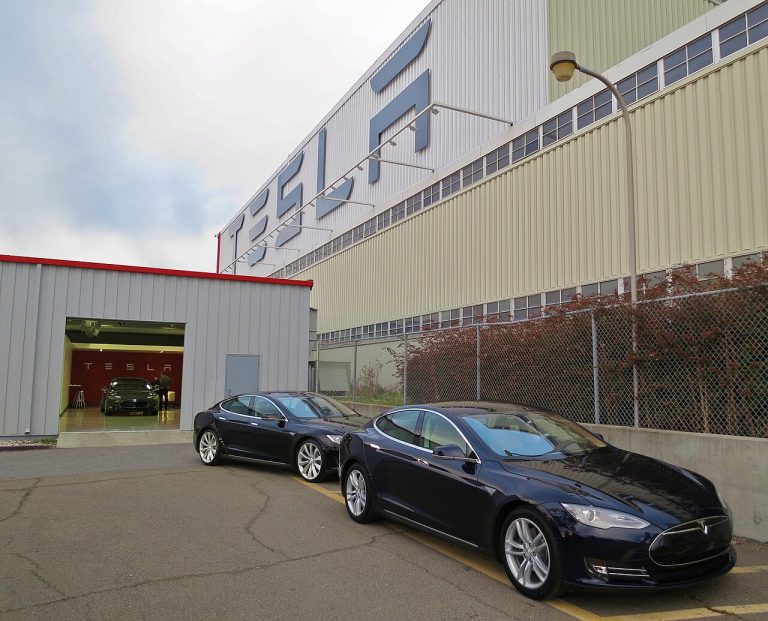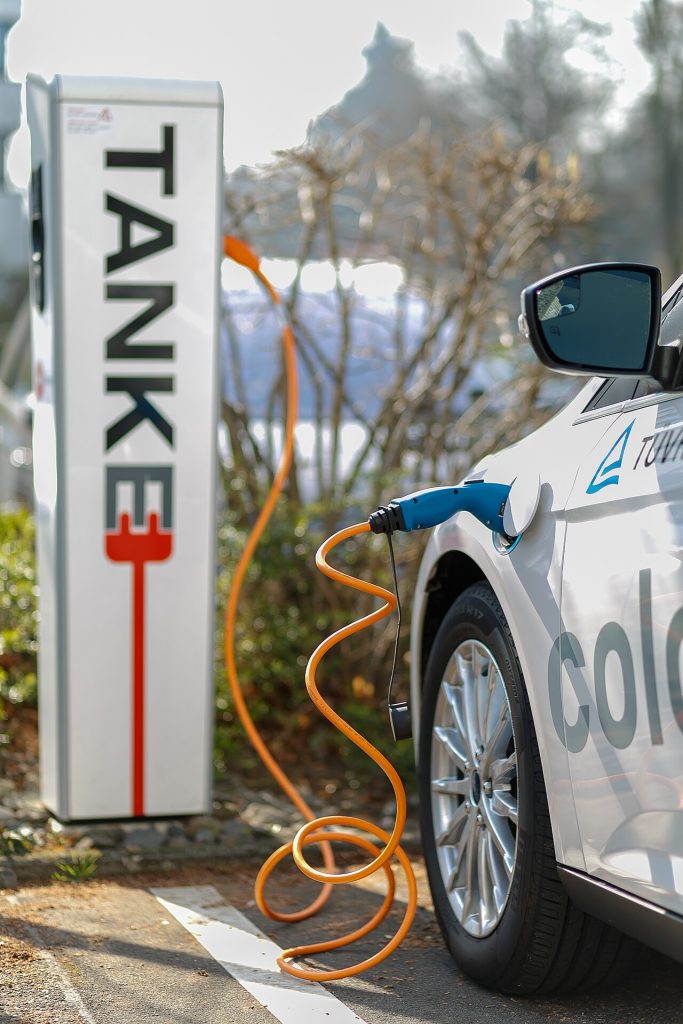
Few topics produce as many contradictory headlines as electric vehicle sales. One week a story says demand is cooling, the next says records are being set. Both can be true, because the numbers can be cut in several ways. If you want to know whether electric cars are really selling in the United States, you need to know which figures to look at and what each one can and cannot tell you.
Sales, share, and growth are different things
Start with three terms that get mixed up.
- Units sold is the raw count of vehicles delivered in a period.
- Market share is electric vehicles as a percentage of all new vehicles sold.
- Growth rate compares one period with an earlier one.
A quarter can show record units and slower growth at the same time. If sales rise from 300,000 to 330,000, that is a record count but only ten percent growth, which looks weak next to a year when sales doubled. Share can also rise while units fall if the overall car market shrinks faster than electric sales do.
When a headline says sales are slowing, check which of the three it means. Slowing growth from a bigger base is normal for any product that moves from early adopters to the general public.
Why quarterly numbers jump around
Electric vehicle sales are lumpy for reasons that have little to do with demand. Tax credits and incentives change the effective price, and buyers often rush before a deadline and pause after it. Model launches matter too: a popular model with a long wait time can hold back deliveries even when orders are strong. Fleet purchases, such as rental or delivery companies buying hundreds of vehicles at once, can inflate a single quarter.
Seasonality plays a part. Many manufacturers push deliveries at the end of a quarter, and winter weather affects both showroom visits and battery range, which shapes how confident buyers feel.
Because of this, a rolling twelve-month view is more reliable than one quarter. Look at the trend line across years and ignore the zigzag.
Where the sales happen
National totals hide big regional gaps. Electric vehicles sell in far higher proportions in some coastal and western states than in much of the interior. Reasons include charging availability, state incentives, higher fuel prices, and the share of households that own a house with a garage where charging is easy.
If you are in a city with few public chargers and many apartment buildings, the national share says little about your market. Check your state’s registration numbers and the number of fast chargers on your usual routes.
The role of price
Price is the biggest brake and the biggest lever. Electric models have often cost more than comparable petrol cars, though the gap has narrowed in some segments. When manufacturers cut prices or offer leasing deals, sales respond fairly quickly. Used electric vehicles are another signal: falling used prices help new buyers who are on a budget, though they hurt the resale value for current owners.
Remember to compare total cost, not just the sticker. Charging at home is usually cheaper per mile than petrol, maintenance schedules are simpler, and insurance can be higher. Your own mileage and local electricity rate decide the result.
Hybrids are part of the story
When people say buyers are returning to petrol, the data often shows a shift to hybrids, not away from electrification. Hybrids need no plug and no new habits, so they appeal to buyers who like the idea of better mileage but worry about charging. A fair reading of the market includes battery electric, plug-in hybrid, and regular hybrid sales.
How to judge the trend yourself
- Use share of new sales over a rolling year, not single-quarter headlines.
- Compare data from the same source each time. Different trackers count differently, for example whether they include certain commercial vehicles.
- Look for the explanation. A drop after a tax-credit change tells a different story than a drop with no policy shift.
- Check the used market and the charging build-out. They show whether the ecosystem is catching up with demand.
What it means if you are shopping
Market noise should not decide your purchase. Ask whether you can charge at home or work, how far you drive in a typical week, and what incentives apply where you live right now. Test drive more than one model and ask a dealer for the real delivery date.
If sales are in a lull, you may find better deals. If they are surging, expect waits. Either way, the right car is the one that fits your routine and budget, not the one that wins the headline of the week.
The short answer
Electric cars are selling, and their share of the US market has grown over several years, with bumps along the way. The signs of life come from a steady longer trend, not a single month. Read units, share, and growth separately, and you will make sense of most of the noise.
Further reading
Related on this site: How Drone Delivery Works and Where It Is Heading and Why Moped-Sharing Companies Pivot: Lessons From Micromobility. For general background, see the Wikipedia overview.