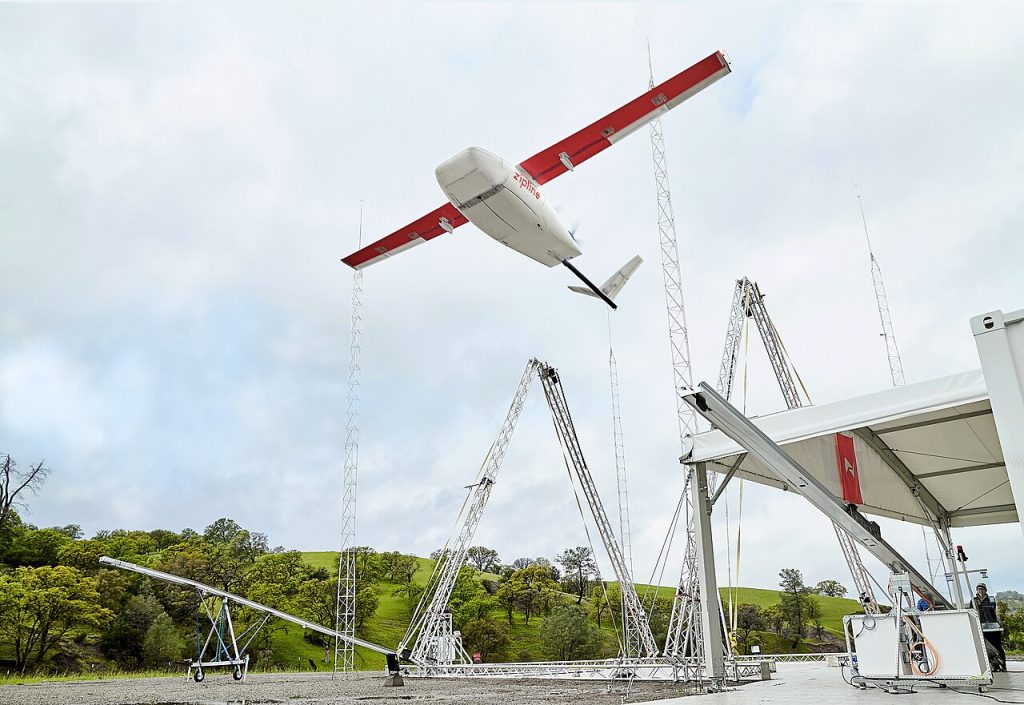
Delivery drones started as a novelty video and have turned into a real, if limited, logistics tool. Fixed-wing aircraft now carry blood, vaccines, and prescriptions to clinics in several countries, and smaller multirotor models drop food and small parcels in suburban areas. When a company in this field announces a large funding round, it reflects investor belief that the network can scale. To judge that belief, it helps to know how the system really works.
The basic flight
A drone delivery operation has three parts: the aircraft, the ground equipment, and the control software.
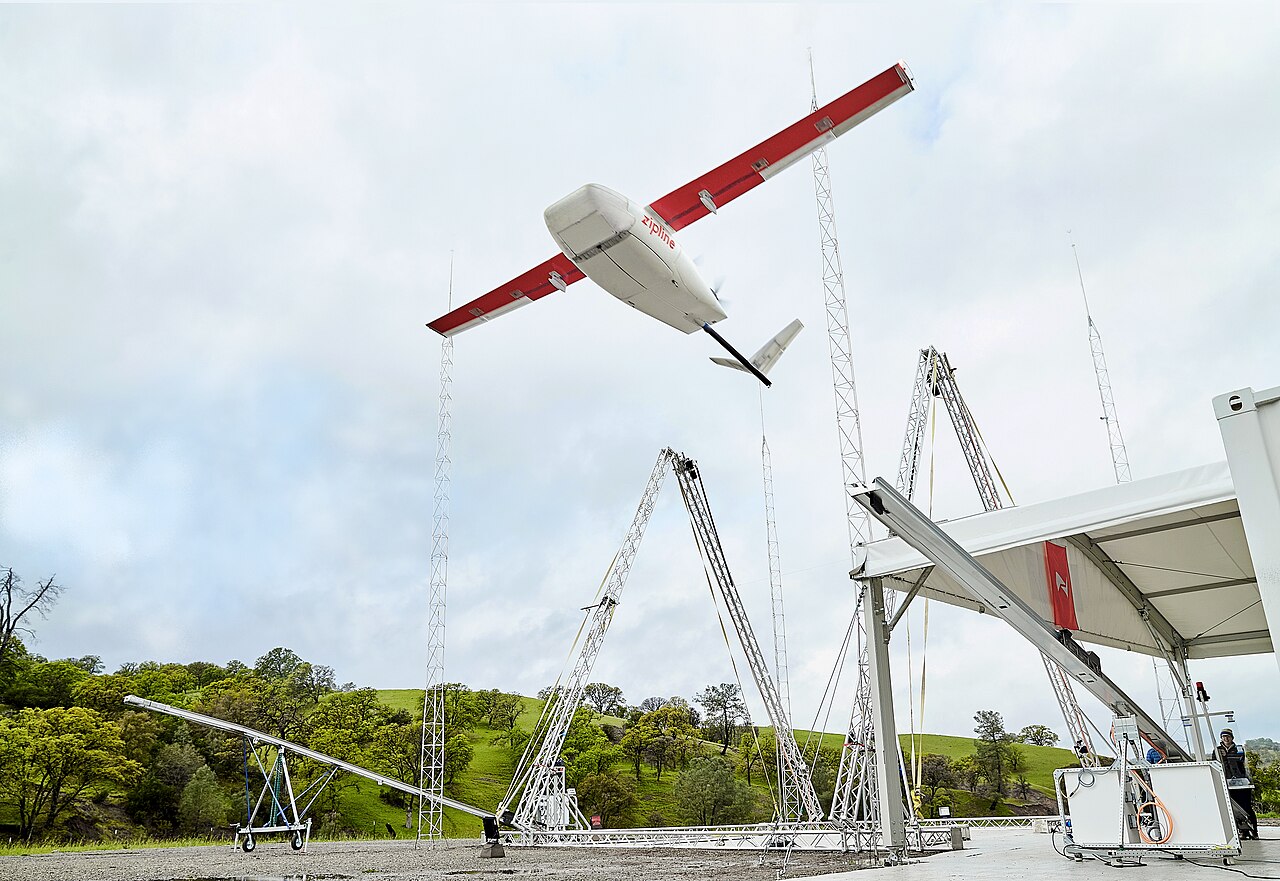
At a launch site, staff load a lightweight package into the aircraft. The drone takes off, sometimes from a catapult or a launch rail for fixed-wing models, or vertically for multirotors. It follows a planned route using satellite navigation and onboard sensors. Near the destination, it descends or hovers, then lowers the package on a tether or releases it with a small parachute. After delivery, the drone returns to base for recharging or battery swap.
Operators monitor flights from a control centre and can reroute if weather or other air traffic requires it.
What drones carry well
Drones are best suited to light, urgent items, usually under a few kilograms.
- Medical supplies. Blood products, vaccines, and test samples where roads are slow or unreliable.
- Pharmacy orders. Small prescription parcels for nearby customers.
- Food and groceries. Short trips from a restaurant or store to a home.
- Spare parts. Urgent components for remote sites.
For these cases the drone can save hours compared with road transport, which is why health systems were early adopters.
Limits and challenges
Several problems keep drone delivery from replacing vans.
- Payload and range. Small batteries and wings limit weight and distance.
- Weather. Strong wind, heavy rain, and icing can ground flights.
- Regulation. Aviation authorities require approvals for flying beyond the operator’s line of sight, over people, or in controlled airspace. These rules differ by country and change over time.
- Noise and privacy. Neighbours may object to frequent flights overhead.
- Cost per delivery. Equipment, staff, and maintenance must be spread across enough deliveries to compete with road options.
- Safety. Operators must prove their systems can handle failures, with backup procedures and safe landing options.
Why funding matters
Building a delivery network involves hardware, software, regulatory work, and local sites. Spending is heavy before revenue is stable. A large round gives a company time to expand to more locations, build more aircraft, and win approvals. It also lets the firm negotiate partnerships with health systems and retailers.
But money is not the same as success. Watch for evidence such as the number of deliveries completed, the reliability rate, and whether customers keep using the service.
What to look for as a customer or partner
1. The service’s record of completed deliveries and on-time performance. 2. Regulatory approvals in the area you operate. 3. How the service handles failed deliveries or weather delays. 4. Cost compared with courier options for the same items. 5. Data handling, including delivery locations and customer details.
Community and environment
Electric drones produce no tailpipe emissions in flight, and a short trip can use less energy than a car journey. However, the full environmental picture depends on the electricity source and on whether drone trips replace car trips or simply add new orders. Communities should have a say in where launch sites and flight paths are placed.
What may come next
Expect gradual growth: more hospitals using regular medical deliveries, more suburban pilot programmes, and incremental regulatory approvals for longer flights. Bigger aircraft for heavier loads and better detect-and-avoid systems will open further uses. Some models may rely on automated hubs where customers pick up parcels, reducing the need to fly to each house.
Bottom line
Drone delivery works today for small, time-sensitive items, especially in healthcare and short-range retail. Its growth depends on regulation, reliability, and cost per delivery. Funding rounds help, but the real test is steady, safe operation at scale and a service customers choose again and again.
A day in the life of a launch site
At a typical site the morning starts with a weather check and a review of the orders queue. Staff pack small boxes, scan each one, and clip it into the aircraft. A technician checks the battery, the parachute, and the release latch. Launches go out in quick succession, with each flight tracked on a screen showing its route and time of arrival. Between flights the team reloads, cleans, and logs any fault. The routine is closer to running an airline gate than a gadget lab, which is why discipline matters as much as engineering.
Further reading
Related on this site: Are Electric Cars Selling in the US? How to Read the Sales Data and Why Moped-Sharing Companies Pivot: Lessons From Micromobility. For general background, see the Wikipedia overview.