It has six rows, five letters and no ads. When it spread across social media in the winter of 2021 to 2022, Wordle looked like the least commercial thing on the internet: a single puzzle a day, made by one person, with nothing to buy. Then a major newspaper acquired it, and the Wordle acquisition left people asking what exactly had been purchased.
The Wordle acquisition is a neat lesson in the economics of attention, because the game itself is tiny. What the buyer wanted was something harder to build than code.

Discussion of the Wordle acquisition usually starts with one puzzled question: how does a free game justify a price tag? The answer lies in what the game does to a reader’s day.
A game with almost no moving parts
Wordle‘s design is famously restrained. You get one puzzle per day, the same for everyone, and six guesses. Colour feedback tells you which letters are right and where. When you finish, you can share a grid of coloured squares that gives nothing away but proves you played.
Each of those choices matters. A single daily puzzle creates scarcity, so people cannot binge it and tire of it. The shared answer turns solving into a conversation. The spoiler-free result grid became free advertising, appearing in feeds and group chats, each one a small invitation to try.
The technology was simple enough that clones appeared within days. Copying the rules was easy. Copying the moment, the sense that everyone was playing the same puzzle together, was not.
Consider the contrast with mobile games built to keep you playing for hours. Wordle did the opposite. It finished quickly, told you to come back tomorrow, and trusted that people would. That restraint made it feel generous, which is rare in an app.
Why the Wordle acquisition made sense for a newspaper
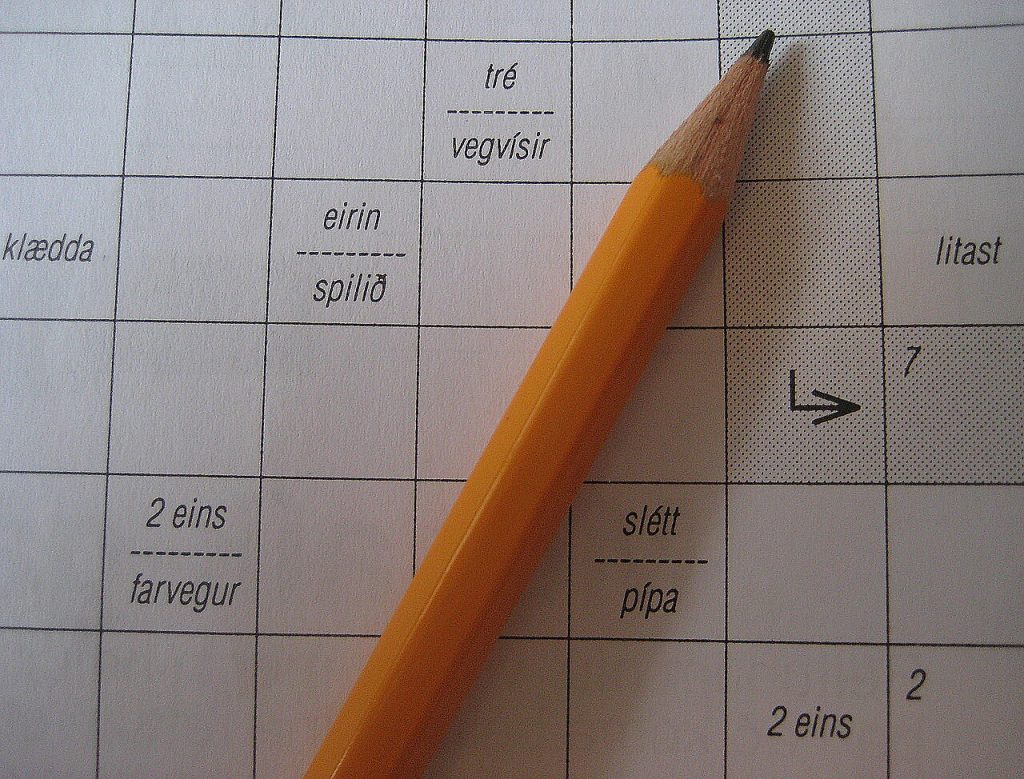
News organisations that rely on subscriptions have a problem: readers visit when something big happens and then drift away. What they want is a habit, a reason to open the site or app at the same time every day. Puzzles are one of the oldest habit-builders in print, which is why the crossword has long been a pillar of subscription products.
A daily word game fits the pattern, and the Wordle acquisition shows how well. It takes a few minutes, it invites a streak, and it brings people into an app where they might also see other puzzles and articles. The value is not the revenue from Wordle itself, which remained free to play, but the traffic and the daily return visit.
It is a form of funnel. Someone arrives for five minutes of letters, notices the other games, and some fraction later decides to pay for a bundle. Even a small conversion rate is meaningful when the number of daily players is very large.
For long-time readers of the newspaper, the Wordle acquisition also made a kind of sense. Its crossword had built loyalty for decades, and a second daily puzzle with a younger, more social audience fit the same logic.
What changes when a big owner takes over
After the Wordle acquisition, players worried about two things: that the game would be put behind a paywall, and that it would change. The first fear did not come true in the way many expected, since the daily puzzle stayed free to play, though other features around it have shifted over time. The second is more subtle, because any change to word lists or presentation is read by fans as a signal of the new owner’s priorities.
There is a trade-off here that applies to any small creative project that gets acquired. The founder gets a deal, the audience gets stability and infrastructure, and the original charm risks getting rubbed down by corporate processes. A solo maker can ship an idiosyncratic decision overnight. A large organisation has editors, lawyers and product managers.
The Wordle acquisition also shows how little control a successful creator has over the afterlife of an idea. A game built for a partner and shared with family became a property in a portfolio. That is a perfectly reasonable outcome, but not the one its early players pictured.
What other makers can learn from the Wordle acquisition
The first lesson is that constraints can be a feature. One puzzle a day looks like a limitation, yet it created the ritual that made the game spread. Many apps fight for as much of your time as possible. Wordle asked for five minutes and got loyalty in return.
The second is that shareability can be designed. The coloured grid worked because it carried identity and bragging rights without ruining anything for others. If you are making a product, ask what a user can show to friends that is both interesting and harmless to spoil.
The third lesson of the Wordle acquisition is more cautionary. A hit with no business model can vanish just as quickly as it arrived. Plenty of word games went viral and faded. Whether a particular puzzle lasts depends less on cleverness than on whether people keep returning after the novelty has gone.
For players, the practical advice is plain. Enjoy the puzzle, keep your streak if it makes you happy, and notice whether it is a pleasure or an obligation. If it has turned into the latter, one missed day will not hurt, and the grid of squares will be there tomorrow. The game was never really about the answer. It was about a shared five minutes, and that is still what makes it worth so much to its owners.
Related reading: TV Tracking Apps: Why We Keep Logging What We Watch and Talking NPCs: How Generative AI Could Change Game Characters.
Photos: Helgi Halldórsson from Reykjavík, Iceland (CC BY-SA 2.0, Wikimedia Commons); Harris & Ewing, photographer (Public domain, Wikimedia Commons).