
For a long time, many Silicon Valley founders avoided defense work, treating it as slow, political, and uncomfortable. That attitude has shifted. A visible group of defense tech startups now builds products for militaries and security agencies, and investors take them seriously. If you are wondering why, and what it means, here is a grounded look. This guide looks at defense technology in plain terms.
In this article
What defense tech means
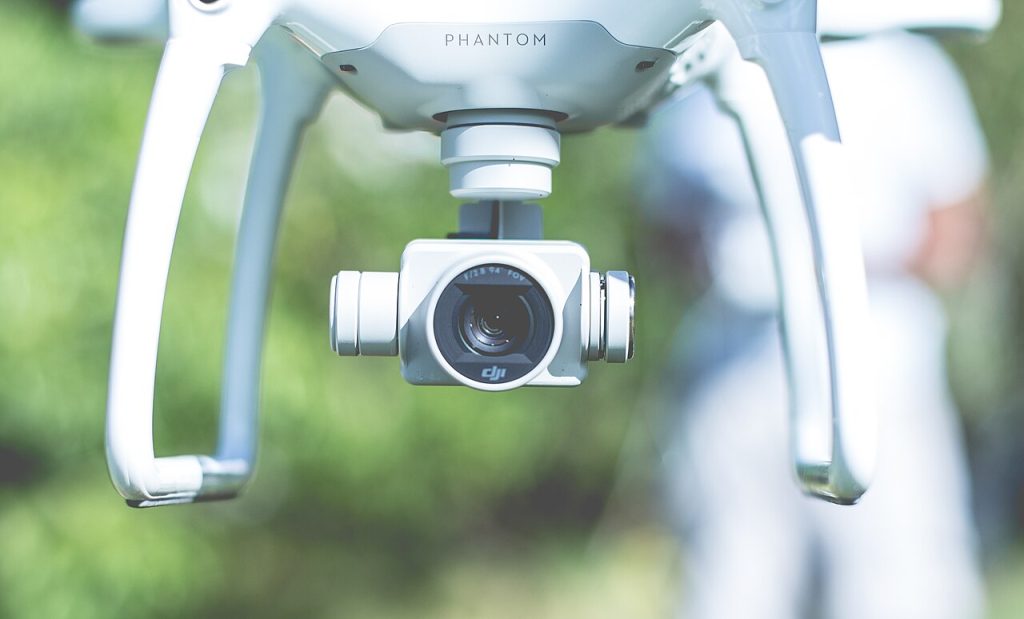
The label covers a wide range. Some companies build drones, others make sensors, software for analyzing satellite imagery, communication systems, cybersecurity tools, or autonomous ground vehicles, including the quadruped robots that look like mechanical dogs. Many sell mostly to governments, but some products also serve civilian customers such as utilities, border authorities, or first responders.
A key idea is “dual use,” meaning technology with both civilian and military applications. A drone that inspects power lines can also survey terrain. Image-recognition software that finds damaged buildings after a storm can help analysts in other settings. Because so much modern technology fits that pattern, the boundary between a commercial company and a defense contractor can be fuzzy.
Defense technology: why the mood changed
Several things pushed founders and investors toward the field.
The first is geopolitics. Tensions between major powers and conflicts in various regions have raised the profile of security issues, and governments have been talking about modernizing their equipment. That produces demand.
The second is technology. Cheap sensors, better batteries, capable software, and machine learning have lowered the cost of building sophisticated systems. A small team can now do things that once required a giant contractor.
The third is dissatisfaction with how defense buying usually works. Traditional programs can take many years and cost large sums, with a small number of established companies dominating. Startups argue they can build faster and cheaper, and some officials have shown interest in tapping that speed.
The fourth is culture. Younger engineers and founders increasingly see national security as a legitimate area to work in, rather than something to avoid. Attitudes inside tech companies are not uniform, and employees at some firms have objected to military contracts, but the taboo has weakened.
The hard part: selling to the government
Building a good product is only half the battle. Selling to defense customers is notoriously difficult for newcomers. Procurement involves long timelines, strict requirements, security clearances, and paperwork that can swallow a small company. A startup can have a brilliant prototype and still wait a long time for a contract.
Programs and offices have been created to ease this, giving startups a route to demonstrate products and win small pilot deals. Even so, going from a trial to a large, sustained purchase is a well-known stumbling block, sometimes called the valley of death.
This is one reason investors in the sector tend to look for founders who understand government processes, or who bring in people who do. Technical talent alone does not guarantee success.
The arguments on both sides
Supporters argue that democratic countries should have access to the best available technology, and that engineers who understand modern software can help make defense systems safer and more precise. They also say that avoiding the field simply leaves it to others.
Critics raise several concerns. One is autonomy: how much decision-making should be delegated to machines, especially where weapons are involved? Many people believe a human should stay in control of lethal decisions, and there is ongoing international debate about rules. Another is accountability, since software errors or biased data can have serious consequences.
A third is the risk that a growing defense market encourages arms racing, or that technology built for one purpose ends up used in ways its makers never intended.
Public attention matters too. News about military use of commercial technology can shape how customers, staff, and lawmakers see a company, so founders in this area often need a clear public position.
Employees also wrestle with personal ethics. Some are comfortable working on defensive or protective systems but not on offensive ones, and companies draw those lines differently. Being clear about what a startup will and will not build helps attract the right people.
What to watch
If you follow this area, a few signals are worth watching. Look at whether companies are winning repeat contracts rather than just pilots, since that shows real adoption. Notice how governments revise their buying processes. Pay attention to emerging norms and regulations on autonomous systems.
Also keep in mind that the field attracts hype, and that enthusiasm in the investor world can run ahead of what the technology delivers. Bold claims in a pitch deck are not proof of a working product, and military systems face harsh tests that demos rarely capture.
The bigger picture is that defense technology is no longer a separate world walled off from the startup scene. Whether you see that as healthy competition, a cause for concern, or both, it is becoming an established part of the technology industry, and it will keep raising questions that engineers, investors, and ordinary citizens need to discuss openly.
Defense tech startups are trying to sell software and hardware to governments that move slowly. The Wikipedia overview of the defense industry shows how large the sector is, and anyone following defense tech startups should expect long sales cycles and plenty of debate. In short, defense tech startups is easier to judge when you slow down and check the basics.
The next time defense technology comes up, you will know what to look for.
Related reading: Why Proptech Startups Fail: Lessons From Furnished Rentals and Why Robotics Startups Hire Finance Chiefs Early.



