Every so often a technology company releases an accessory that the internet cannot stop mocking. A small fabric pouch priced like a decent dinner, a cloth for polishing screens, a stand that costs more than a phone case. The jokes arrive within minutes. Then, quietly, the product sells out. It is tempting to see this as a sign that buyers are foolish, but the reality is more interesting and tells you something about how people choose gadgets.
Why accessories carry high prices
Several forces make accessories more expensive than their raw materials suggest.
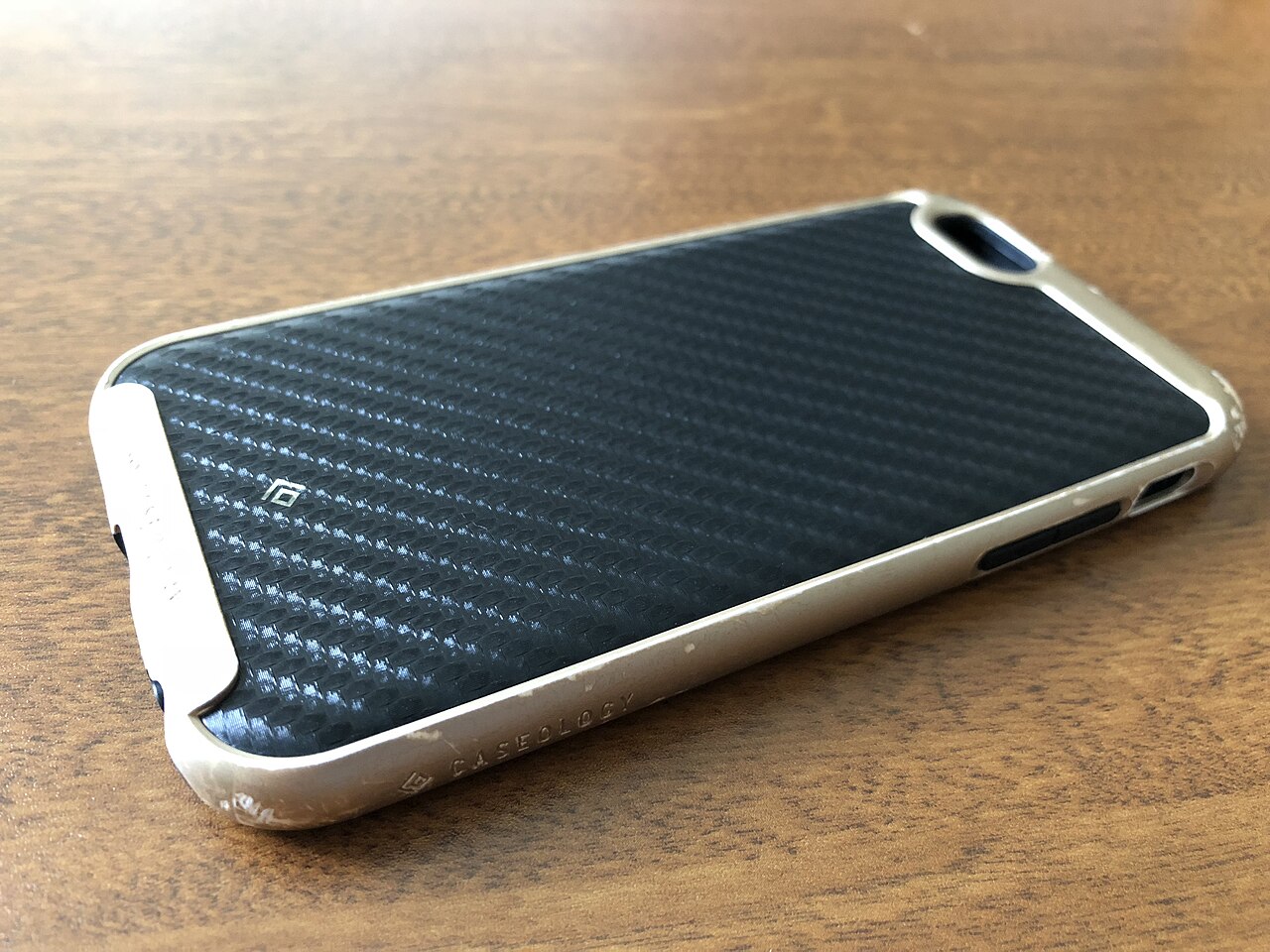
- Margins. Accessories are often sold at higher profit margins than the main device.
- Brand value. People pay extra for the look and the feeling of a matched set.
- Design and testing. Even a simple object must be designed, tested for fit and manufactured at small scale.
- Packaging and retail. Display, shipping and stocking add cost.
- Limited editions. Colours or collaborations create scarcity.
- Positioning. A high price signals quality, even when the function is simple.
A well-made accessory can be mostly about craftsmanship and materials, such as a woven fabric or good leather, not electronics.
The meme cycle
Why does mockery follow so reliably? A product that looks silly, costs a lot and relates to something people already own is perfect material for jokes.
1. Easy to understand. Everyone knows what a phone is, so everyone has an opinion.
2. Absurd on the surface. A pricey cloth bag invites comparison with household items.
3. Shareable. Screenshots and one-liners spread quickly.
4. Free marketing. Even negative attention makes sure the product is known.
Companies sometimes appear to welcome this. A product that gets talked about reaches far more people than a quiet release.
Why people still buy
- Real use. Some people genuinely like a soft pouch that protects a phone in a bag.
- Aesthetic. Matching colours and materials feels satisfying.
- Gifts. Accessories make easy presents for people who already own the device.
- Collectors and fans. Enthusiasts like having official items.
- Convenience. Buying from the same maker avoids research.
- Ownership pride. A premium device can lead to a desire for premium extras.
None of this requires irrationality. Value is partly subjective, and a purchase that makes you happy can be worth it even if others laugh.
Judging whether an accessory is worth it
You can use a simple framework before buying.
1. Does it solve a problem you actually have? For example, scratches from keys in a pocket.
2. Is there a cheaper equivalent? Compare with generic versions of similar quality.
3. How long will it last? Durable materials justify a higher price.
4. Will you use it every day? Cost per use falls quickly with regular use.
5. Does it fit properly? A badly fitting case can block buttons or cameras.
6. Is the return policy fair? Buy somewhere that lets you test it.
7. Do the reviews mention wear? Fabric and finishes can degrade.
Where accessories really matter
While some are fashion items, others have practical value.
- Screen protectors can prevent scratches and cracks.
- Cases with good corner protection reduce drop damage.
- Chargers and cables that meet safety standards protect the battery and device.
- Power banks with proper certification offer reliable emergency charge.
- Stands and mounts improve comfort and posture.
- Cleaning kits extend the life of screens and lenses.
For safety-critical items like chargers, buying from reputable brands or certified makers matters more than design.
Beware of counterfeits and low-quality copies
Where there is demand, imitations follow. Fake accessories can be dangerous, particularly chargers and batteries that lack proper protection. Look for official retailers, check packaging details, and be wary of prices far below normal. A cheap cable that overheats can cost more than the saving.
Environmental angle
Accessories add to electronic and textile waste. Choosing durable items, repairing instead of replacing and avoiding impulse purchases are simple ways to reduce harm. Some manufacturers use recycled materials and publish information about their supply chains, which can help conscious buyers.
The psychology of small purchases
Add-ons often cost a fraction of the device price, so the decision feels low-risk. Retailers use this by suggesting extras at checkout. It is worth pausing to ask whether you would still want the item if it were sold separately and shown on its own merits.
A fair perspective
Laughing at a strange accessory is harmless fun. Buying one can be perfectly reasonable if it brings you pleasure. The sensible approach is to separate the joke from your own needs: decide what you want, set a limit, and compare options. In the end, whether an accessory is worth it depends on whether it suits you, not on whether the internet approves.
For wider background, Wikipedia has a general overview of Mobile phone accessories. You may also find these related guides useful: How to Read an LCD TV Spec Sheet Before You Buy and Buying Refurbished Electronics Safely: A Practical Checklist.