The biggest psychological gap between electric and petrol cars is not range anymore. It is the pause. Filling a tank takes a few minutes; charging an EV typically takes much longer. Companies keep promising batteries that fill in about the time it takes to pay for coffee. Whether and how that can happen depends on a handful of physical limits worth understanding if you are thinking about an EV.
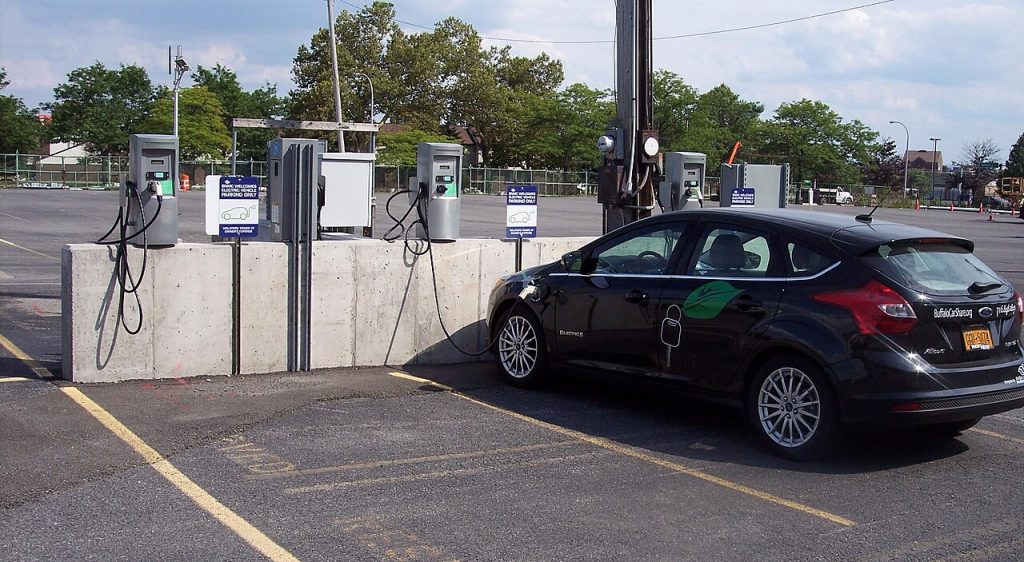
What happens when charging an EV battery
A lithium-ion battery stores energy by moving lithium ions from one electrode, the cathode, to the other, the anode, through a liquid electrolyte. Charging pushes the ions into the anode material, which is commonly graphite. The faster you push, the harder it is for ions to settle in an orderly way.
If charging is too aggressive, ions can pile up on the surface and form metallic lithium plating. Plating reduces capacity, can create tiny spikes called dendrites, and in extreme cases raises safety risks. Battery management systems therefore limit speed, especially when the battery is cold or nearly full.
Heat is the other enemy of charging an EV
Moving a lot of power through a pack creates heat. Resistance inside the cells and wiring turns part of the energy into warmth, and heat speeds up wear. High-end cars use liquid cooling to keep the pack in a comfortable range, but cooling has limits too. The more power you try to send, the more heat you need to remove.
This is why charging usually slows as the battery fills. The first part of a session may run at high power, then taper off near the top. A sensible rule is that the quick portion happens between low and about eighty percent; the last slice takes disproportionately long.
The charger matters too
Charging an EV is not only about the battery: even a perfect cell needs a charger capable of delivering the power. Public fast chargers vary widely in output, which changes how long charging an EV takes. Your car also has its own maximum charge rate; plugging a car that accepts moderate power into a very powerful charger will not make it faster than its limit. Cables, connectors and the local grid connection all set ceilings.
Delivering the power is its own engineering challenge. A site with many fast chargers needs a heavy grid connection and sometimes on-site storage. That is expensive and slow to build, which is one reason charging networks do not appear overnight.
How researchers are trying to speed up charging an EV
There are several lines of work, and they are mostly incremental rather than magic:
- New anode materials, such as silicon blends, that accept ions faster
- Better electrolytes that move ions with less resistance
- Thinner electrode layers and improved cell designs
- Smarter thermal management that keeps cells at an ideal temperature
- Software that preheats the pack on the way to a charger
- Solid-state concepts that replace the liquid electrolyte
Each of these has trade-offs. Faster-charging chemistries may store less energy per kilogram or cost more. Solid-state designs are promising but have been hard to manufacture at scale. When a company announces a breakthrough, ask about cycle life, cost and whether it works outside a laboratory. Much of that evidence comes from long laboratory runs, which is why battery testing data matters so much.
Does faster charging hurt the battery?
Frequent very-fast charging can speed up degradation compared with slower charging, though modern cars manage this well. The difference over typical ownership is often modest. A sensible habit when charging an EV is to use slower charging at home overnight for daily needs, and reserve high-power stations for road trips. What happens to a pack after years of use is covered in our look at where old EV batteries go next. Most manufacturers also recommend avoiding routinely charging to 100 percent unless you need the range.
What to look at when charging an EV
The headline peak charging rate can mislead. A car that hits a high peak for a minute and then falls off may be slower overall than one with a lower but steadier curve. The number that matters is the time to go from, say, ten to eighty percent. Look for that in reviews.
Also consider where you end up charging an EV. Most people do the bulk at home or work, where speed matters little because the car sits for hours. Fast charging matters mostly for long trips, and there, reliability of the network can matter more than a few minutes.
Will charging an EV ever match a petrol pump?
Possibly for some vehicles and some situations, but charging an EV that fast is not a universal fix soon. Matching petrol-pump times needs huge power levels, which push the limits of cables, cooling and local grids all at once. A more realistic goal is making stops short enough that they fit naturally into a break: fifteen to twenty minutes for a long leg of a trip.
The takeaway
The gap between pumping and plugging is real, but it is shrinking from several directions at once: better cells, smarter cooling, more capable chargers. For now, the best way to deal with charging an EV is to change the habit. Charge where you park, top up when it’s convenient, and treat road-trip stops as breaks, not waiting. When claims of instant charging arrive, read them with curiosity and a healthy dose of physics.