A cartoon cat in a suit, a sentence that makes no sense, a video of nothing happening for ten seconds. Somehow millions of people find it funny and send it to friends. Absurd internet humor looks random, yet it follows patterns that explain why it moves so well across feeds.
The short version: nonsense is easy to share, easy to change and hard to explain. Those three qualities are a powerful mix online.

The pleasure of a broken expectation
Many theories of humor centre on incongruity, the gap between what you expect and what you get. Absurdism pushes this to an extreme. The setup promises meaning and the punchline delivers none, and the surprise itself becomes the joke.
There is also a relief in it. Online life is full of polished, optimised content that wants something from you. A deliberately pointless image is a small rebellion against all that earnestness. It asks for nothing and makes no pretence of being useful.
Because absurd internet humor does not rely on a clear message, it crosses language and culture more easily than a topical joke. A strange picture needs no translation, which helps it spread to audiences far from where it started.
Why absurd internet humor is built for remixing
The biggest reason absurd internet humor travels is that it is cheap to copy and alter. A simple template, such as a reaction image or a repeated phrase, invites anyone to add a twist. Each new version is a fresh contribution, and the original gets stretched further from its meaning with each round.
That drift is part of the fun. A joke that has been remixed a hundred times becomes a language of its own, and understanding it signals that you belong. Followers who spot an obscure reference feel they are in on something.
The format helps too. Short loops, captioned screenshots and low-quality images are quick to produce on a phone. A clumsy, grainy look even adds to the charm, since it reads as authentic and unplanned. High production value can actually kill the joke.
The basic idea of copying and mutating cultural units has a long history, and the Wikipedia article on internet memes traces how the word came to be used for online content.
How platforms push the strange stuff along
Recommendation systems amplify whatever people react to, and strange content provokes strong reactions: laughter, confusion, the urge to tag a friend. Shares and comments tell the system the post is worth showing to more people. We explained the mechanics in our article on how recommendation systems decide what you see.
Communities matter as well. Small groups, private chats and niche forums act as incubators. A joke gets polished among a few hundred people, then escapes into the mainstream feed once it has proven itself. By the time a brand notices, the original audience may have moved on.
Sharing itself is social currency. Sending someone an absurd image says, I thought of you, and I know your sense of humor. It is a low-effort way to keep in touch, which is why such posts often travel through direct messages rather than public timelines.
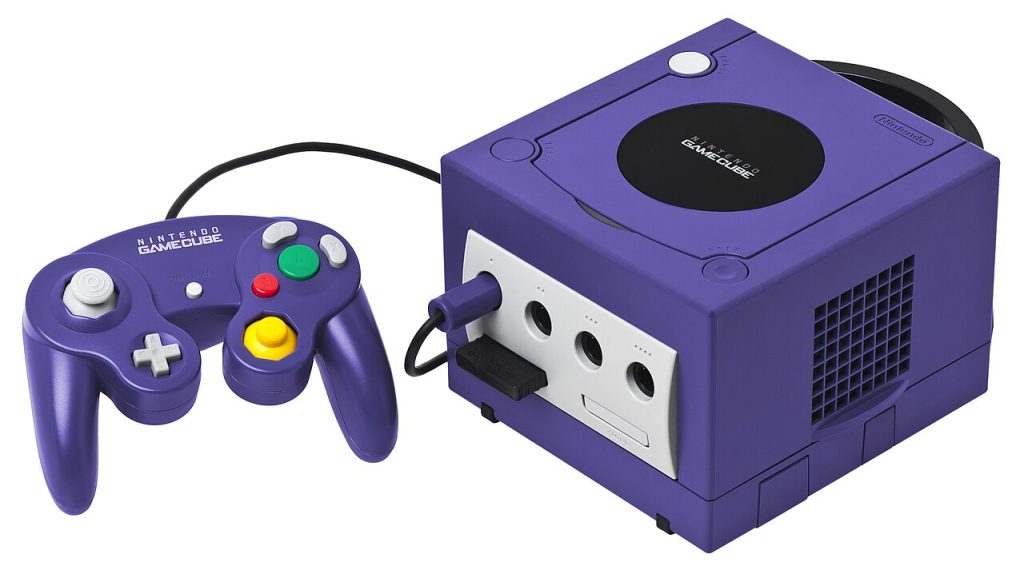
Odd objects can join absurd internet humor in the same cycle, as we saw with strange tech accessories that become memes.
Where it stops being funny
Absurd internet humor has a short shelf life. Once a joke becomes familiar, the surprise disappears, and repetition turns it into a cliche. Brands that imitate it too late tend to look awkward, because the style depends on sincerity and timing.
There is a quieter concern about access. Humor built on images and visual puns can leave out people who use screen readers or have trouble with certain colours or motion. Adding a simple description costs almost nothing, and our piece on keeping memes both funny and accessible shows how to do it without ruining the joke.
Some absurd internet humor also hides harmful material under the cover of irony. Humor that claims it is only a joke can be used to carry hateful ideas, and platforms struggle to tell the difference. Being a thoughtful sharer means asking what the joke is actually saying.
Timing and context shape how a joke lands. The same image can be hilarious among friends and baffling to a stranger, because the humor depends on shared references built up over weeks. That is why explaining a joke ruins it, and why outsiders often dismiss the whole genre as meaningless. For participants, the meaning lies in the shared experience of getting it together.
Creators who understand this tend to keep their work small and personal. They post for a particular audience, trust it to pass things along, and avoid chasing broad appeal. Ironically, that restraint is often what lets a joke escape into the wider world.
In the end, absurd internet humor spreads because it is light, flexible and communal. Nobody needs to understand it perfectly to enjoy passing it on, and that may be the most human thing about it.