
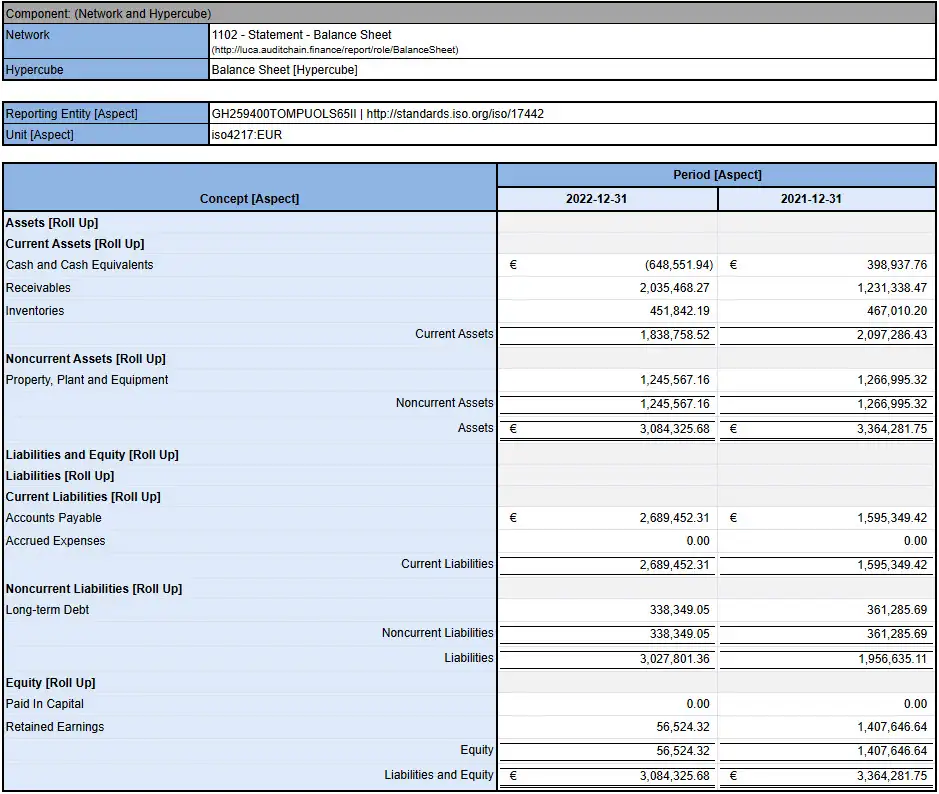
A networth statement is a document that lists everything you own, everything you owe, and the difference between the two. It is often called a personal financial statement. People use it to apply for loans, to support visa or immigration applications, to settle legal matters, or simply to see where they stand. If you are asking what is a networth statement, the best way to understand it is to see the layout.
The basic format
A good statement has two columns, or two sections.
Assets (what you own)
- Cash and equivalents: bank accounts, savings, cash.
- Investments: stocks, funds, bonds, other securities.
- Retirement accounts: pensions, 401(k), IRA.
- Real estate: your home and other property, at current market value.
- Personal property: vehicles, jewellery, art, valuables.
- Business interests: the value of any company you own.
Liabilities (what you owe)
- Mortgages and home equity loans.
- Car loans and personal loans.
- Credit card balances.
- Student loans.
- Taxes owed and other bills.
Net worth
Total assets minus total liabilities. That is the bottom line of the statement.
Why people ask for one
1. Lenders. A bank may want it for a business loan or a large mortgage. In the US, the Small Business Administration has a standard personal financial statement form that many lenders use.
2. Immigration and visas. Some countries ask for proof of means. A “net worth certificate” is often a statement signed by a chartered accountant, particularly in South Asia, and the embassy’s own instructions say what they want.
3. Courts. Divorce and support cases often require sworn financial disclosures.
4. Investment rules. Some regulators set net worth thresholds for certain investments.
5. Personal planning. Many people prepare one each year as a financial check-up.
Statement versus certificate
A statement is something you can prepare yourself. A certificate is usually a statement that has been reviewed or attested by a qualified professional, such as an accountant, to give it credibility. Which one you need depends on who is asking, so always read their instructions first.
How to prepare one in six steps
1. Choose a date. The statement is a snapshot, so date it clearly.
2. Gather statements. Bank, investment, loan and property documents.
3. Value your assets realistically. Use market value, not what you paid, and be conservative with items like cars.
4. List every debt. Including small ones. Missing debts is the most common mistake.
5. Subtract. Assets minus liabilities.
6. Keep evidence. Hold on to the papers behind each number, because a lender may ask.
A simple example
Assets: savings $12,000; investments $30,000; retirement $55,000; home $300,000; car $9,000. Total $406,000. Liabilities: mortgage $210,000; car loan $5,000; credit card $2,000. Total $217,000. Net worth is $189,000.
Mistakes to avoid
- Using optimistic values. Overstating assets on a loan application can be treated as misrepresentation.
- Forgetting contingent liabilities. If you guaranteed someone else’s loan, tell the lender.
- Mixing personal and business. Keep them clear.
- Out of date numbers. Statements older than a few months may be rejected.
Business and personal versions
Companies also produce a similar document, called a balance sheet. The logic is the same: assets minus liabilities equals equity. A sole trader may need both a business balance sheet and a personal statement.
Where to find official guidance
The US Small Business Administration publishes its form and instructions on its official website, and your bank or visa authority will usually include its own template. Use theirs when one is provided.
Questions people ask
Is a net worth statement the same as a balance sheet?
They are closely related. A balance sheet usually refers to a business, while a net worth statement is personal.
How often should I update mine?
Once a year is common, and always before applying for credit.
Do I need an accountant?
Not for personal use. For a visa or legal case, you may need an attested version.
What if my net worth is negative?
It happens, especially early in a career. The statement still works, and it can show where debts can be reduced.
Wrapping up
So what is a networth statement? A tidy, dated list of assets and debts with one result at the bottom. Keep your records, value things honestly, and follow the format the requester asks for. This is general information, not financial advice, and requirements differ by country and institution.
Related reading: What Is Pokimane's Networth? Estimates and Income Sources.