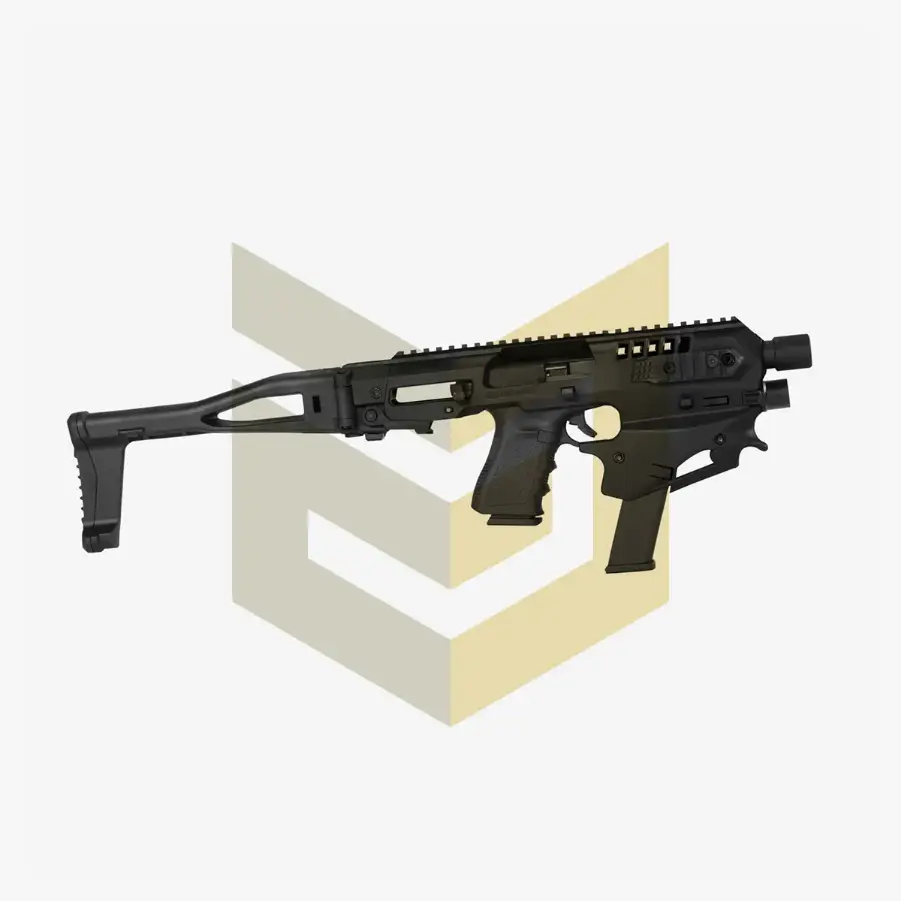
When you look at modern pistol designs, visible features often catch your attention first. You may notice the frame, materials, size, or appearance without thinking about the engineering behind them. However, much of the real complexity lies beneath the surface. Traditional pistol designs usually follow a fixed structure, while modular platforms take a different approach. How do engineers manage different parts within one design? Why does material choice matter? How do manufacturers maintain consistent quality across the system? These questions help explain the engineering behind modern modular platforms.
This process involves several fields, such as structural engineering, material science, precision manufacturing, and ergonomics. Each field plays a role in the platform's design, quality, and consistency.
With these factors in mind, this article explores the key features of modular pistol platforms, the engineering principles behind them, common design challenges, and future trends.
What Makes a Pistol Platform Modular?
A modular pistol platform uses a design approach that lets different versions share the same basic structure. Instead of creating each version as a separate product, engineers use common design features to build a connected system.
However, modularity means more than using parts that fit together. Engineers also consider how parts connect, the materials they use, production needs, and size consistency. When exploring firearm-related products, you may also come across terms such as MCK conversion kits in discussions about modular designs. Still, understanding modular engineering means looking beyond accessories and examining the overall design and manufacturing process.
Engineering Principles Behind Modular Pistol Design
Developing a modular pistol requires engineers to consider several interconnected disciplines. From the materials used in its frame to the precision involved in manufacturing its components, every engineering decision contributes to the pistol's overall structural quality and reliability.
Component Architecture and Integration
Component architecture explains how the different parts of a pistol fit into its overall design. Engineers study these parts and their role in meeting the product's design goals.
A consistent design is also important for overall quality. Rather than examining each part alone, development teams consider the complete system and how its elements relate to one another.
Materials And Structural Engineering
The materials used in pistol construction affect strength, weight, durability, and production needs. Polymer and metal are common materials in firearm engineering, but each has different properties.
For example, polymers can reduce weight and offer more design options. Metals can provide strength and rigidity. Engineers also consider how well these materials resist environmental effects and maintain consistent quality during production.
Precision Manufacturing and Tolerances
Precision manufacturing helps ensure that pistol components meet set size and quality standards. Even small differences during production can affect whether parts meet their required specifications.
Manufacturers use digital design tools, regular inspections, and controlled production methods to maintain quality. They also set clear size limits to check consistency across the production process.
Reliability And Mechanical Compatibility
Reliability is a critical consideration in pistol engineering because the finished firearm must consistently meet its established performance and safety requirements.
Mechanical compatibility also calls on documented engineering specifications, so that engineering choices are kept in touch with the known requirements.
Role Of the Fire-Control Unit in Modular Platforms
In some modular pistol designs, the fire-control unit acts as a central part of the structure. This helps distinguish platforms that use a shared internal base from those with a fixed frame.
Bringing several functions into one main unit adds new design challenges. Engineering teams study how the parts relate to each other, along with material quality, size, and production needs.
The surrounding structure also plays an important role. Engineers examine how different parts fit into the overall design while keeping set standards in place. This shows why modularity must be viewed as part of the whole platform rather than as a feature of individual components.
Ergonomics And Adaptability in Modular Pistol Platforms
Structural performance is only one part of product engineering. The manner in which individuals deal with a product also affects the design of the product; hence, ergonomics is a significant development factor.
Grip Geometry and User Comfort
The shape of a pistol grip affects how it feels in the hand. Engineers consider its size, surface, shape, and overall comfort when studying ergonomic needs.
Users have different physical needs and preferences. Ergonomic studies help manufacturers understand how these differences affect comfort and product use.
Weight Distribution and Balance
Weight distribution affects a pistol's overall balance and handling. Engineers study how materials and structural parts affect its total weight and balance.
However, reducing weight should not weaken the overall structure. Material choice and product design must support both strength and durability.
Human-Centered Design
Human-centered engineering is the study of how products are perceived and experienced by people. This comprises accessibility, comfort, visual arrangement, and clarity of control.
Ergonomic research as part of the development process assists manufacturers in determining the possible design constraints prior to completing production specifications.
Engineering Challenges In Developing Modular Pistols
Modularity brings forth architectural flexibility, yet also brings about challenges. The process of maintaining the same standards should be coordinated between the design, manufacturing and quality-control teams.
Maintaining Structural Integrity
Structural integrity describes a product's ability to satisfy defined mechanical and durability requirements. To check consistency, engineers consider the material properties, the quality of manufacturing, and the performance requirements recorded.
Managing Manufacturing Consistency
Manufacturers must maintain consistent standards across all products in a single range. Differences in size, materials, or production quality can affect consistency.
To avoid these issues, manufacturers use regular inspections, clear guidelines, and reliable quality checks.
Balancing Weight and Durability
The reduction of weight of pistols without affecting the structure is an engineering problem. This balance is affected by the choice of materials, design efficiency, and the production processes.
Testing And Quality Assurance
Testing helps confirm whether a finished product meets its design requirements. Quality checks also ensure consistent production and compliance with safety rules and regulations.
These steps help manufacturers identify design limits, maintain product quality, and ensure consistent results.
Future Developments in Modular Pistol Engineering
Advances in manufacturing and material science continue to shape modern firearm engineering. Engineers also focus on accuracy, consistency, and efficient design when developing modular firearms.
Computer-aided design (CAD) helps engineers build detailed digital models before production. Simulation tools also help teams study material properties and structural performance.
Meanwhile, better manufacturing methods can improve size consistency and production efficiency. However, future designs must still meet safety standards and follow all relevant regulations.
Conclusion
Modular pistol platforms show how different engineering fields work together to create a well-designed product. Their development depends on material selection, precise manufacturing, strong structures, user comfort, and quality checks.
Understanding these principles offers a clearer view of modern firearm engineering. As manufacturing methods improve, maintaining design flexibility, consistent quality, and safety standards will remain important.