Buses rarely get glamorous write-ups, yet traveling by bus remains one of the cheapest and most flexible ways to cross a country or a continent. It is also one of the best ways to see the landscape change outside the window, and in many regions it is the only public transport that reaches small towns. This guide covers how to choose routes, book tickets, stay comfortable and avoid common mistakes.
Why choose the bus
The main reasons are price, coverage and simplicity. Fares are often lower than trains or flights, particularly if you book ahead. Coach networks tend to run to many towns that rail lines skip. Modern long-distance coaches commonly offer reclining seats, onboard toilets, power sockets and sometimes Wi-Fi, though these features vary by company and route.
The downsides are real, too. Journeys can be slower than trains, traffic can cause delays, and overnight services are not for everyone. Knowing these trade-offs helps you decide whether the bus fits your trip.
Types of bus service
Intercity coaches
These are the long-distance services you board at a terminal or roadside stop. In Europe, companies such as FlixBus connect many countries; in North America, Greyhound and other carriers serve numerous routes; elsewhere you will find national operators. Check which company dominates the region you are visiting.
Local and regional buses
City and regional buses are the backbone of everyday transport. Tickets are often cheaper if bought through an app, a transit card or a machine rather than from the driver. In many places you must have exact change or a prepaid card.
Night buses
Overnight services save a hotel night and make good use of time. Choose them if you can sleep on the move; otherwise you may arrive tired and lose your first day.
Booking tickets
Buy tickets online when possible, because prices usually rise as seats fill. Compare operators on aggregator websites, but check the company’s own site too, since fees can differ. Look at:
- departure and arrival stations, which may not be in the city center
- luggage rules and extra fees
- whether the ticket is refundable or changeable
- travel time, including transfers
Always screenshot or download your ticket, since mobile signal is unreliable on rural routes. In some countries, you can still buy tickets at the terminal or on board, but popular routes may be sold out.
Packing for the ride
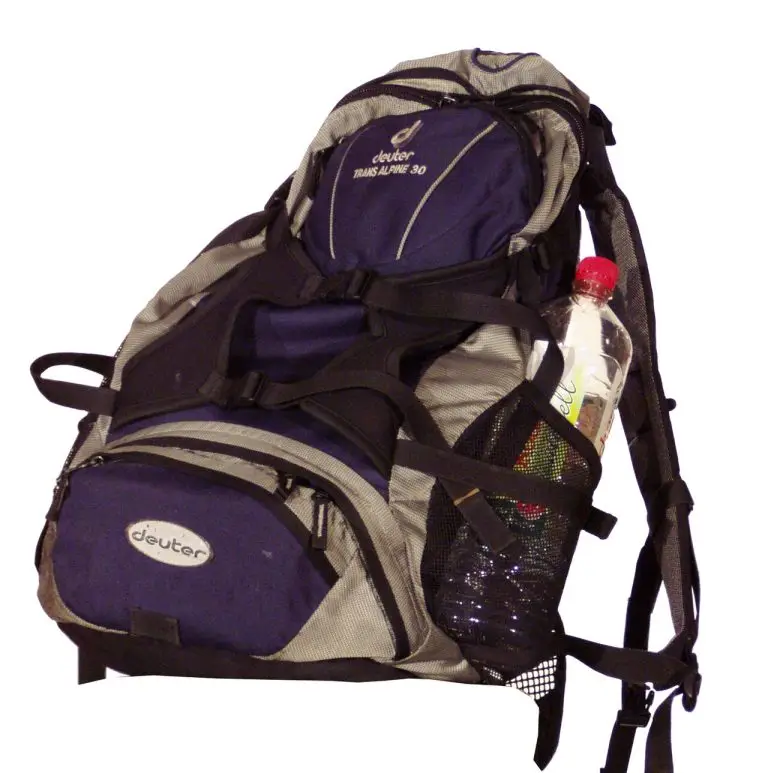
Keep essentials in a small bag that stays with you, and put your main luggage in the hold if allowed. Useful items include:
- a light jacket or scarf, as air conditioning can be strong
- a neck pillow, earplugs and an eye mask for night services
- a water bottle and snacks, since rest stops can be expensive or limited
- a phone charger or power bank
- hand sanitizer and tissues
Mark your luggage clearly and keep valuables on your lap or at your feet. Never leave your bag unattended at a rest stop.
Staying comfortable
Pick a seat with care. Seats near the front often feel smoother and have a better view, while seats over the wheels can be bumpier. If you get motion sickness, sit toward the front and look ahead. Aisle seats give more freedom to stretch; window seats give you something to lean against when sleeping.
Wear layers, stand and stretch at every stop, and avoid heavy meals before departure. On long trips, drink water regularly and walk around during breaks, mostly to keep blood circulating.
Safety and etiquette
Buses are generally a safe way to travel, but basic common sense helps. Keep your documents and money in an inner pocket, watch for pickpockets at busy terminals, and note which stop you need. Use headphones for music and calls, keep your voice low, and avoid strong-smelling food. Offer your seat to anyone who needs it on local routes, which is common courtesy almost everywhere.
If you are traveling alone at night, choose well-lit stations, arrive early, and let someone know your schedule.
Tips for crossing borders
International coaches stop for passport checks. Keep your passport accessible, not buried at the bottom of the luggage in the hold. Know whether you need a visa or other entry documents, and expect delays at busy crossings. Check official government travel advice for your destination, as requirements can change.
Finding reliable general information
For background on how intercity coach services work around the world, this overview of intercity bus services is a reasonable starting point. For specific routes, always use the operator’s website, because schedules, prices and luggage rules change frequently.
Is it right for you
Traveling by bus suits budget travelers, flexible planners and anyone who wants to see small places on the map. It is less suited to tight schedules or people who need a lot of space. Give yourself buffer time, book early, and carry what you need within reach, and a long bus ride can turn from an endurance test into a relaxed part of the journey.
More to read
Image credit: M.O. Stevens via Wikimedia Commons (CC BY-SA 3.0).