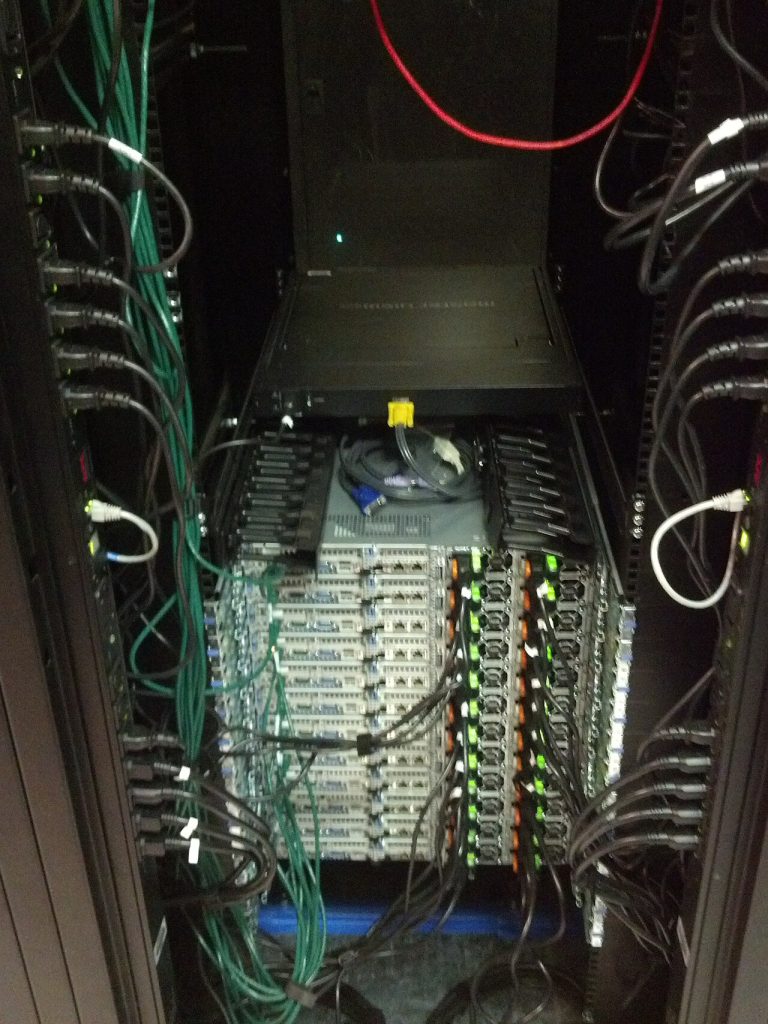
Oil, ports, power grids, telecom networks: governments have long treated certain infrastructure as too important to leave entirely in foreign hands. Now a new item is joining the list. Computing power for artificial intelligence, the racks of specialized chips that train and run modern models, is increasingly described as a national asset. The term for this ambition is sovereign AI compute, and it is shaping budgets and deals around the world.
What sovereign AI compute actually means
Sovereign AI compute generally refers to AI computing capacity that sits inside a country and is controlled by that country’s government, companies or institutions. It usually involves data centers on domestic soil, filled with graphics processors, known as GPUs, and sometimes custom accelerators. The aim is that the country can train and operate AI systems without depending entirely on foreign providers.
There is no strict definition. Some projects are state owned. Others are private or public-private arrangements, run by local cloud firms or telecom operators with foreign chips inside. People disagree about how “sovereign” it is when the hardware or software comes from abroad, and that disagreement is part of the story.
Why governments want sovereign AI compute
Several motives show up again and again.
- Security and resilience. If critical services such as health, defense or administration rely on AI, officials do not want them to depend on a foreign company that could change terms or lose access.
- Data control. Laws often require certain data, such as health or citizen records, to stay inside the country. Local compute makes compliance easier.
- Language and culture. Models trained mostly on English may serve other languages poorly. Local capacity lets countries build systems for their own languages, a theme covered in why chat apps built for Indian languages matter.
- Economic ambition. Governments hope that hosting compute attracts startups, researchers and jobs rather than watching talent move abroad.
- Bargaining power. Compute is scarce. Owning it gives a country a seat at the table when the supply tightens.

What it takes to build sovereign AI compute
This is an expensive undertaking, and the obstacles are not only financial.
Chips. High-end GPUs are made by very few companies and manufactured in a limited number of places. Export rules in some countries can restrict who may buy the most advanced ones. Supply, not just money, limits what is possible.
Power. AI data centers use large amounts of electricity and need reliable cooling. A country with an unstable grid or high energy costs faces a serious hurdle. We examine this in powering AI data centers and the hard energy choices.
Skills. Running a cluster well takes engineers who know networking, cooling, scheduling and security. Hardware alone does not produce results.
Software. Most of the tools used to program these chips come from the chipmakers and a handful of open projects. A country can own the machines and still depend on others for the software that makes them useful.
Customers. A data center that sits idle is an expensive monument. Plans need real demand from universities, companies and public agencies.
How the partnerships usually work
Few countries build sovereign AI compute entirely alone. Common models include a government funding a national cluster that researchers can rent; local telecom or cloud firms building capacity and selling it commercially; and partnerships with global cloud companies that agree to place infrastructure inside the country under local rules. Each balances control against speed and cost.
The giant contracts that AI labs sign with cloud providers influence what is available. Our explainer on why AI labs sign multi-year cloud deals shows how the demand side competes for the same chips.
Where the idea has limits
Sovereign AI compute is appealing, but it comes with real caveats.
Owning chips is not the same as having competitive models. Money spent on hardware may not produce results without data, talent and good research. Technology also ages fast; a cluster bought now may feel dated in a few years, which makes the investment risky. There is a danger of duplication, where many countries each build smaller systems that cannot match the scale of the largest providers.
There are policy risks too. Governments that control compute can influence who gets access and what runs on it, raising questions about fairness, privacy and censorship. Sovereignty for the nation is not automatically freedom for its citizens.
How to judge a sovereign AI compute announcement
When a government unveils a plan, ask a few plain questions. Who owns and operates it? Where does the hardware come from? How will it be powered? Who is allowed to use it and at what price? What projects are planned? Is there a talent and software plan, or only a purchase order?
A credible project answers those clearly. A vague one leans on slogans. For wider context on the chips involved, the Wikipedia article on graphics processing units explains what they do and why they suit AI work.
The deeper point is that sovereign AI compute reflects a shift in how nations see technology: not just a product to buy, but infrastructure to secure. Whether it pays off will depend on execution, and that is worth watching more closely than any announcement.