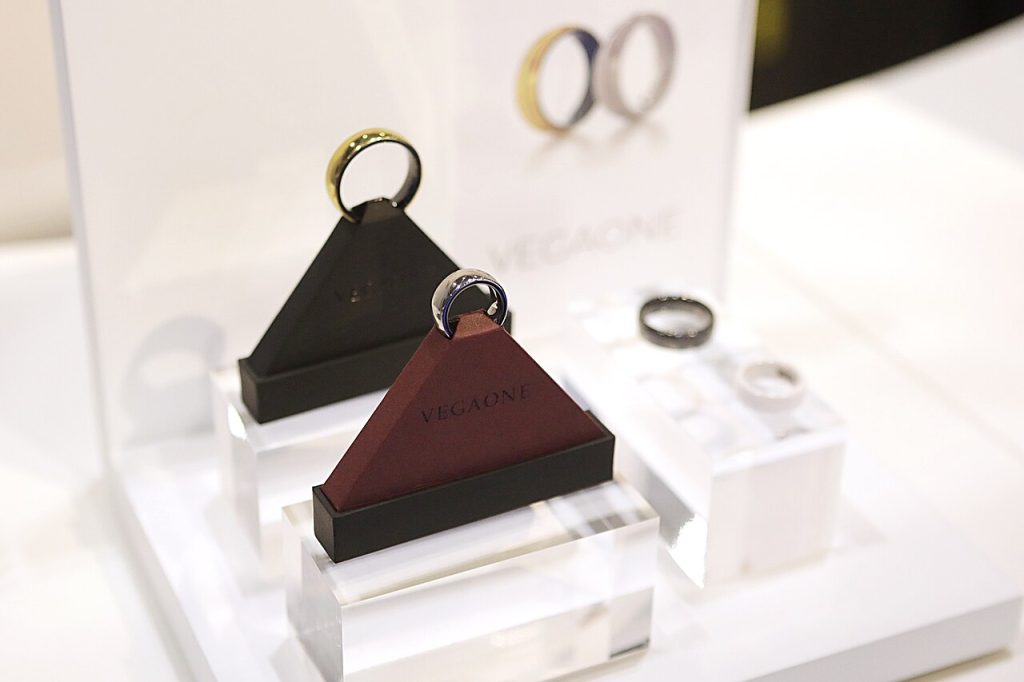
A smart ring looks like a simple object. It is a band of titanium or ceramic with a few sensors packed inside and a battery about the size of a grain of rice. Yet this small category has produced some of the loudest legal fights in consumer hardware. When one company gets there first and sells well, rivals show up with similar products, and sooner or later somebody files a complaint. If you are thinking about buying a ring, it helps to understand why that happens and what it can mean for your purchase.
What a patent actually protects
A patent does not protect an idea like “a ring that tracks sleep.” Courts have been fairly clear over the years that broad ideas cannot be owned. What a patent protects is a specific technical way of doing something, described in a list of numbered claims at the end of the document. Those claims are the part that matters in a lawsuit.
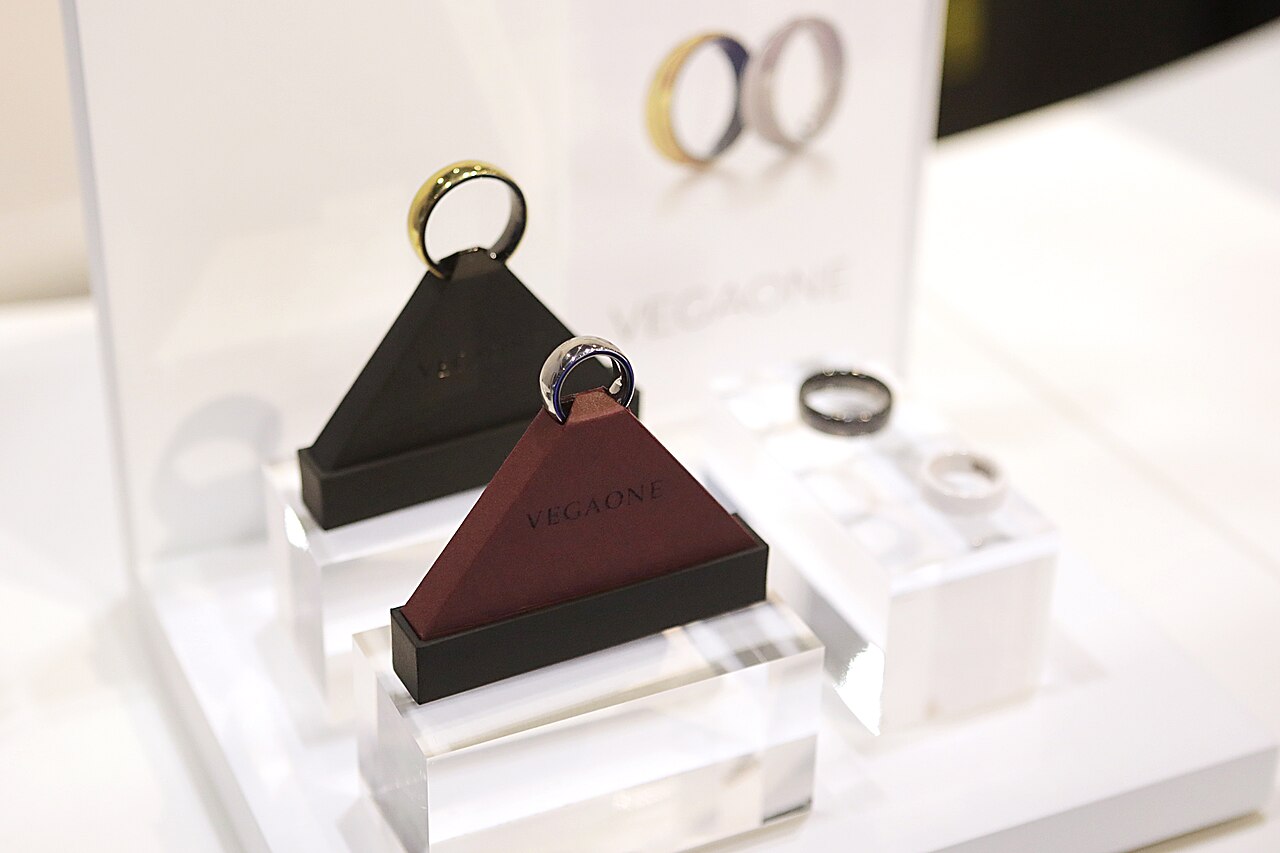
For a smart ring, claims tend to cover things such as the arrangement of sensors on the inner surface of the band, the way the electronics are sealed inside a curved housing, the method of turning a raw optical signal into a heart rate reading, or the charging contacts and how they line up with a dock. A company can be innocent of copying the whole product and still be accused of using one claimed detail.
Why rings are especially crowded
Several things make this a patent-heavy corner of the market.
- Tiny space, few good designs. There are only so many sensible ways to fit a battery, a flexible circuit board and a temperature sensor into a band that has to be comfortable on a finger. Different teams end up in similar places.
- Early filers hold leverage. The first serious brand in a category usually files a wide set of patents while the technology is still new. Later entrants then have to design around them or negotiate.
- Components come from a shared supply chain. Many rings use sensors and chips from the same handful of suppliers, so products can look alike inside even when the companies are unrelated.
- Money is on the table. Once a category shows real sales, a patent becomes a business asset, and suing is a way to slow a competitor or push them into a licensing deal.
How these cases usually unfold
Most disputes follow a familiar path. One company sends a letter or files a complaint. The other side argues that the patent is invalid, perhaps because similar technology existed earlier, or that its product does not actually match the claims. Cases can be filed in regular federal courts, and in the United States they can also go to the International Trade Commission, which has the power to recommend blocking imports of products found to infringe.
That last route matters for hardware, because most consumer devices are manufactured overseas. An import ban can freeze shipments at the border long before a court would award damages. It is also why you sometimes see a product disappear from a store for a while and then return in a modified form.
Many cases never reach a final ruling. They end in a settlement, a license, or a redesign. A redesign can be as modest as changing how the charging contacts sit or moving a sensor a few millimetres.
What it means if you are shopping
For a buyer, the practical risks are smaller than the headlines suggest, but they are real.
1. Availability can change. If a product faces an import restriction, stock may run low or certain models may stop shipping to a country for a period.
2. Models can change mid-life. A redesigned ring may feel different, charge differently, or have a slightly different sensor layout than the one reviewers tested.
3. Subscriptions and apps are a separate matter. Some ring makers charge for the companion app. A legal fight over hardware usually does not switch off your existing ring, but it is worth checking that the service you pay for is not tied to a single model.
4. Warranty and returns are your safety net. Buy from a retailer with a clear return window, especially when a product is in the middle of a dispute.
None of this means you should avoid a ring that is in litigation. It means you should not assume the specific version you see in a review will be the version that arrives at your door a year later.
Reading the news without getting misled
Legal headlines often sound final when they are not. A few habits help.
- Filing is not winning. A complaint is an accusation. Look for whether a court or commission has actually ruled.
- Preliminary is not permanent. Early decisions can be reversed on appeal or narrowed on review.
- Check which patent is involved. A dispute over one narrow claim is very different from one that threatens the whole product category.
- Watch for settlements. When two companies sign a license agreement, the dispute often disappears quietly, and prices rarely move.
The bigger picture for wearables
Smart rings are following a path that earlier gadgets walked. Fitness bands, smartwatches and wireless earbuds all went through periods where the leading brand defended its position through the courts while the market was still forming. Over time, patents get licensed, cross-licensed or expire, and the products converge on a set of common features.
For now, rings still sit in an early, fast-moving stage. That is good for people who like new hardware, because there are more choices than a few years ago. It also means the rules of the game are being written case by case.
If you are buying, focus on the things you can verify: battery life in independent testing, how the ring fits your finger size, whether the app features you want need a monthly fee, and how easy it is to return. The patent story matters mostly as a reason to keep your receipt and to avoid paying for years of service up front on a product whose future is still being decided.
For wider background, Wikipedia has a general overview of Smart ring. You may also find these related guides useful: How to Read an LCD TV Spec Sheet Before You Buy and Why Odd Tech Accessories Become Memes (and Still Sell).