There is a particular joy in launching one of the new small camera drones, a machine that fits in a jacket pocket and still shoots sharp video. The small, lightweight class that includes models like the Mini 3 Pro made aerial photography feel casual instead of like a production. But small camera drones are a bundle of trade-offs, and it helps to know them before you spend money.
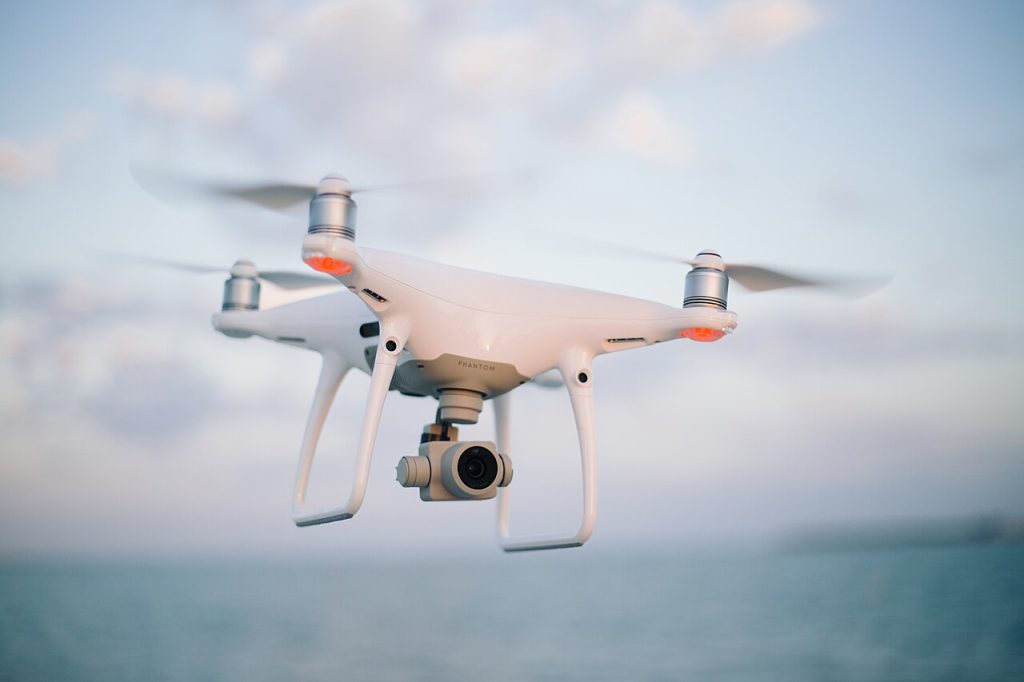
This is a buyer’s guide to the category, not a review of one product; for a shorter checklist, see choosing a compact camera drone without regrets. Specs change fast, so I will focus on what stays true.
Why weight defines small camera drones
The headline feature of the mini class is that it stays under a weight threshold that many countries treat more gently. In a number of places, lighter drones (formally unmanned aerial vehicles) face fewer registration requirements or looser rules about flying near people. The exact rules differ by country, and they change, so check your local aviation authority instead of trusting a forum post.
The practical upshot of small camera drones is less paperwork and a lighter bag. You are far more likely to bring a 250-gram drone on a hike than a big one, and the drone you have with you takes better pictures than the one you left at home.
The cost is physical. Less weight means a smaller battery and a lighter frame, which affects wind handling and flight time.
What the camera can and can’t do
Small camera drones carry small sensors. That is physics. Compared with a full-size camera, you will see more noise in dim light and less dynamic range in harsh sun. In good daylight, though, footage from a modern compact drone can look excellent, especially after a little colour work.
Look at these camera traits when comparing small camera drones:
- Sensor size, which affects low-light performance
- Video resolution and frame rate options
- Whether it records a flatter colour profile for editing
- A gimbal that can tilt to shoot vertically for social media
- Photo formats, including raw files if you want editing headroom
Vertical shooting is a bigger deal than it sounds. If most of your clips end up on phones, a drone that can turn its camera instead of forcing you to crop saves quality.
Obstacle sensing and safety features
Entry-level drones used to be a gamble: fly into a tree and watch your money fall out of the sky. Many small camera drones now include sensors that detect obstacles in some directions, plus return-to-home features that bring the aircraft back if the signal drops.
Be realistic about these. Sensors have blind spots, and they struggle with thin branches, wires and glass. They can also behave differently in poor light. Treat them as a safety net, not autopilot. A good rule is to fly as though the sensors were off, and let them save you only when you slip.
Battery, wind and the flight time myth
Manufacturers quote flight time measured in ideal conditions. In real life, wind, cold and aggressive flying cut it down, so plan on noticeably less than the box says. With small camera drones, extra batteries are almost mandatory if you want to do more than a quick hop, and a charging hub saves headaches.
Wind is the other limit. Small camera drones get pushed around, and a breeze at ground level can be a gale at altitude. If you fly in open, exposed places, check forecasts and keep the aircraft well within range.
The controller choice
Many kits come in two flavours: one with a simple controller that holds your phone, and one with a built-in screen. The built-in screen is brighter, avoids cable fuss and keeps your phone free. The phone version costs less and is perfectly fine for casual use.
Think about where you fly. In bright sunlight, a phone screen can be hard to see, so a brighter dedicated screen earns its extra cost.
Rules and etiquette
Before the first flight, read your local rules. Typical themes include keeping the drone in sight, staying below a maximum altitude, avoiding airports and crowds, and respecting privacy. National parks and many city spaces ban drones entirely. Fines for ignoring this can sting.
Beyond the law, there is manners. Do not hover over strangers, do not disturb wildlife, and land when someone asks you to. A small drone buzzes like an angry wasp, and people notice.
Who should buy small camera drones
Small camera drones suit travellers, hikers, real estate hobbyists and anyone who wants to learn aerial framing without a big commitment. If you are weighing drones against other portable cameras, our action camera buyer’s guide covers that side. They are not ideal for professional work in low light, heavy wind or situations where you need a long flight window.
If you are undecided, start with these questions:
- Will I carry it often? Then weight matters most.
- Will I edit footage? Then look for good colour options and raw photos.
- Will I fly in wind? Then consider a slightly larger model.
Final thought
Small camera drones prove that you do not need a big aircraft to get a great view. Buy for the way you will actually fly, add a spare battery, learn your local rules, and spend the first week just practising smooth, slow movements. Smooth beats flashy, and your footage will show it.