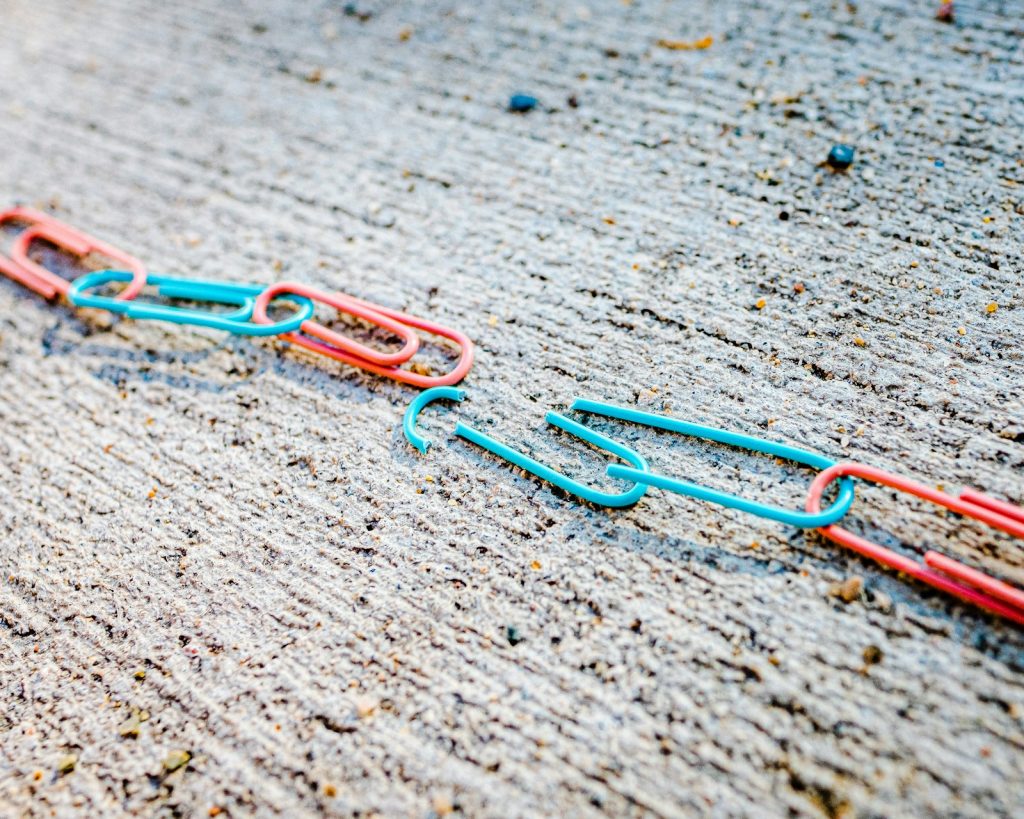
One morning, links that worked yesterday lead nowhere. Posts, emails, QR codes on printed flyers, and old forum threads all point to a shortened address that now shows an error page. Nothing was wrong with the pages behind them. The domain that did the redirecting was suspended. A shortlink domain suspension is a rare event, but when it happens it shows how fragile a lot of the web’s plumbing really is.
What a short link actually is
A link shortener takes a long address and gives you a compact one on its own domain. When someone clicks, the shortener’s server looks up the destination and sends the visitor on. The short domain therefore acts as a gate. If the gate closes, every link that goes through it breaks, even though the destination pages remain untouched.
Shortened links are popular on social networks with tight length limits, in text messages, on printed material, and in marketing campaigns. That popularity is the reason one disruption can ripple widely. We touched on a related effect in how post length limits shape online writing, since short links grew out of that pressure.
Why domains get suspended
Domains are managed through registries and registrars, and each has rules. A shortlink domain suspension is usually triggered by one of a few causes.
- Abuse reports. Because shorteners hide the destination, they are attractive to phishing and malware campaigns. Repeated abuse can lead a registry or registrar to act.
- Local laws and orders. Some domains sit under a country-code registry that answers to national authorities and policies.
- Policy violations. A registry may find that a domain breaks its terms of use, for instance on the type of content or on eligibility rules.
- Administrative problems. Unpaid renewals, missing contact verification, or expired registrations can all take a domain offline.
The details of any specific case can be complex and contested, so it is wise to be cautious about drawing conclusions from headlines alone.

What breaks in a shortlink domain suspension
The damage from a shortlink domain suspension goes further than most people expect, and it often shows up days later.
- Old posts and archives. Years of social media posts, forum threads, and blog comments contain links that now fail.
- Printed and offline material. Posters, business cards, and packaging with QR codes or typed short URLs cannot be updated.
- Marketing campaigns. Tracking data and conversions disappear if the redirect stops.
- Automated systems. Apps, bots, and scripts that expand short links return errors.
- Trust. Users start to doubt whether links are safe or working.
A shortlink domain suspension is also a security issue. If a domain lapses and someone else registers it, they may be able to redirect old links to harmful sites. This is one reason lapsed domains deserve attention. For more on the risk to users, see how to spot the scams that follow a data breach.
Lessons from a shortlink domain suspension
You can reduce your exposure with a few habits.
- Use your own domain for short links. A branded short domain that you control is safer than relying on a third party’s. Many shortener services allow custom domains.
- Keep the full URL when it matters. For documents, contracts, or anything lasting, link to the real address.
- Back up your link list. Export a record of every short link and its destination, so you can rebuild if needed.
- Avoid short links in print without a fallback. Add a short, readable address on the same page.
- Renew early and enable auto-renew. Keep contact details current so you receive warnings.
- Monitor for breakage. A simple scheduled check can alert you if links start failing.
Consider a small shop that printed a thousand flyers with a short link to a discount page. When the domain went dark, the flyers became useless overnight. The shop had no way to fix printed paper. A shortlink domain suspension is therefore most damaging in the places you cannot edit. That is why careful publishers put the full address, or at least a short branded one they control, on anything printed.
Search engines and social networks are affected as well. Pages that were reached through short links may lose traffic, and old posts can look broken. After a shortlink domain suspension, it is worth updating your most important profiles and pages with fresh links first, then working down the list. Prioritize by traffic and by how hard something is to change. A clear plan beats a panicked scramble.
Lessons for ordinary users
If you click a short link that fails, do not hunt for random mirrors. Search for the page by its title or visit the publisher’s own site. Be careful with link-expanding services that ask for permissions. And treat unexpected short links in messages with the same caution you would any unknown attachment.
The wider takeaway concerns dependence. Much of the internet rests on a few layers, from registries to hosting to the Domain Name System, and a problem in one can ripple outward. A shortlink domain suspension is a reminder to own the pieces you rely on, or at least to know who does. That small act of planning can save you a very annoying morning.