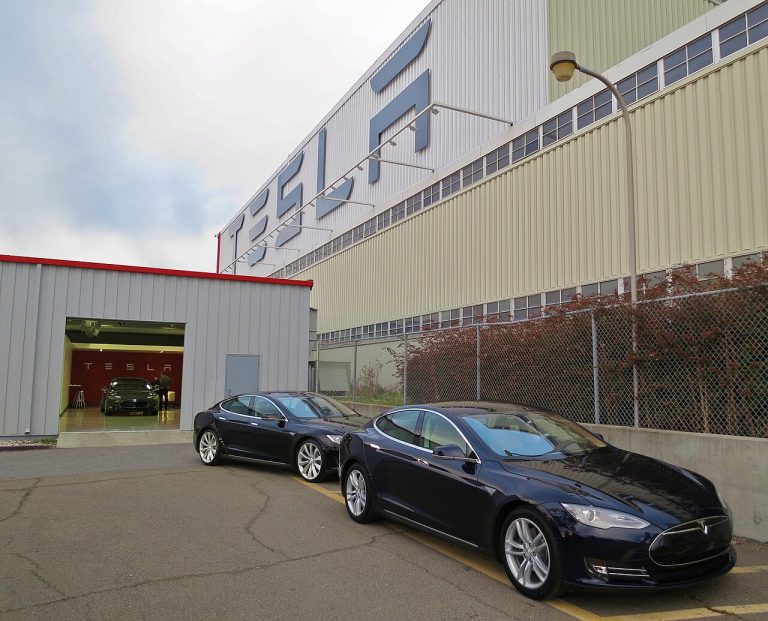
When people talk about self-driving taxis, the conversation usually turns to software: how well the system sees, predicts and decides. That focus is fair, but it overlooks something just as practical. A robotaxi is a physical product that has to be built, charged, cleaned, repaired and driven for many hours a day. The choice of robotaxi vehicle underneath the technology shapes cost, comfort, reliability and where a service can expand. Here is what goes into that decision.
Why not design a car from scratch?
A few companies have tried building purpose-made driverless vehicles with no steering wheel. The appeal is clear: a design optimized around passengers rather than a driver. The difficulty is just as clear. Building cars at scale means safety certification, supply chains, factories and decades of manufacturing know-how. Most autonomous driving companies are experts in software and sensors, not mass production.

The common solution is to partner with an established manufacturer. The carmaker supplies a vehicle already built to automotive standards, and the autonomy company adds its sensor suite, computing hardware and software. This division of labor is how many fleets have grown.
What a robotaxi vehicle needs to offer
Start with the drivetrain. Fleet vehicles run nearly all day, so energy cost per mile matters a great deal. An electric robotaxi vehicle has lower running costs and fewer moving parts, and it copes well with the power demands of onboard computers and sensors. They also fit city policies aimed at cutting emissions.
The autonomy system also needs to command steering, braking and acceleration electronically, with redundancy in case something fails. A robotaxi vehicle designed with modern drive-by-wire controls is far easier to adapt than an older mechanical one, and manufacturers willing to share access to these systems are valuable partners.
Passenger space matters just as much. Riders care about legroom, door size, luggage space and a smooth ride. A taller, roomier robotaxi vehicle can be easier to get into and out of, which helps riders with limited mobility, parents with strollers and anyone hauling a suitcase. The interior also has to be easy to clean quickly between rides.
Then comes room for sensors. Cameras, radar and lidar need clear views around the vehicle, and roof racks and bumper housings must be integrated without ruining aerodynamics or range. The robotaxi vehicle’s shape determines how neatly that can be done.
Last is durability. A taxi covers far more miles than a private car, so tires, brakes, batteries and seats wear faster. The best robotaxi vehicle for fleet use is cheap to maintain, easy to repair and available in volume.
There is a further reason carmakers like these deals. A partnership with an autonomy company gives them a showcase for their vehicles and a path into mobility services, without having to build the self-driving stack on their own. For the software firm, the carmaker brings production capacity and a dealer or service network it would take years to assemble. Each side covers the other’s weak spot, which is why these arrangements tend to be announced with long timelines and gradual fleet growth rather than sudden launches.
The economics behind the decision
Robotaxi services have to make money per ride eventually. The big cost items include the vehicle, the sensor and computing hardware, charging and depots, remote assistance staff, cleaning, insurance and maintenance. A cheaper, more reliable robotaxi vehicle can lower the break-even point. So can a design that lets technicians swap components quickly, keeping cars on the road longer each day.
Think of a depot at night. If a technician can replace a damaged sensor pod in minutes, the car is back in service the next morning. If the same repair needs a day of specialist work, that car earns nothing, and across a large fleet those lost hours become a serious bill.
Each new robotaxi vehicle platform also requires validation. The autonomy system has to be tuned for the specific handling, weight and braking of the car, and regulators may need to review it. That investment is a reason companies do not switch lightly, and a reason a new partnership signals a longer-term commitment.
Different markets, different cars, and what riders notice
Expanding to new countries adds further constraints. Driving on the left, as in the United Kingdom and Japan, means the vehicle and software must handle mirrored road rules, junction behavior and driver positions. Narrow streets, dense pedestrian traffic and local regulations all play a role, as does the availability of a manufacturer’s service network in that market. Choosing a robotaxi vehicle that a partner already builds and supports locally eases entry.
As a passenger, you will care less about drivetrain details than about the experience. Is the pickup point easy to find? Does the ride feel smooth? Is the cabin clean and comfortable? Is there a clear way to reach a human if something goes wrong? These are the visible results of countless invisible decisions, including the one about the car.
The lesson from robotaxis so far is that autonomy is only one layer. The companies that succeed will be those that turn a clever driving system into a dependable, affordable service, and that begins with a robotaxi vehicle suited to the job.
Related reading: Waymo vs Uber: Why a Robotaxi Ride Can Cost More Than a Rideshare and What Happens to Customers and Charities When an EV Startup Fails.
Photos: Grendelkhan (CC BY-SA 4.0, Wikimedia Commons); Phillip Pessar (CC BY 4.0, Wikimedia Commons).