Can robotaxis drive on highways? You might think a freeway would be the easiest place for a self-driving car. No pedestrians, no traffic lights, no cyclists darting out from behind a parked van. Just lanes, lines and cars heading in the same direction. And yet robotaxi services have mostly stuck to city streets and added freeway rides slowly, if at all. What gives?

When robotaxis drive on highways, speed changes everything
The first reason robotaxis drive on highways with such caution is simple physics. At 65 miles an hour, a car covers about 95 feet every second. Stopping distance grows with the square of speed, so doubling the speed roughly quadruples the distance needed to stop. A system that spots an obstacle in the street at 25 mph has plenty of time. At freeway speed, the car needs to see things much farther away, and it needs to be confident about what it sees.
When robotaxis drive on highways, speed pushes heavy demands onto the sensors. Cameras, radar and lidar all have a range, and the car needs to recognize a stalled vehicle or a piece of debris hundreds of feet ahead, in rain or at night. Small errors that do not matter at low speed can be catastrophic at high speed.
Rare events are the real problem
City driving is chaotic, but the speeds are low and the car can usually stop. Freeway driving is boring most of the time and terrifying very rarely, which is the catch when robotaxis drive on highways. A tire tread in the lane, a mattress falling off a truck, a vehicle going the wrong way, an emergency scene with flares and a police car half in the lane. These are the types of surprises that self-driving software finds hard to learn from, because it does not see them often.
There is also the matter of emergency vehicles and construction zones, where the usual lane markings are wrong, cones redirect traffic and a worker may wave you through.
Why safe stopping is not an option
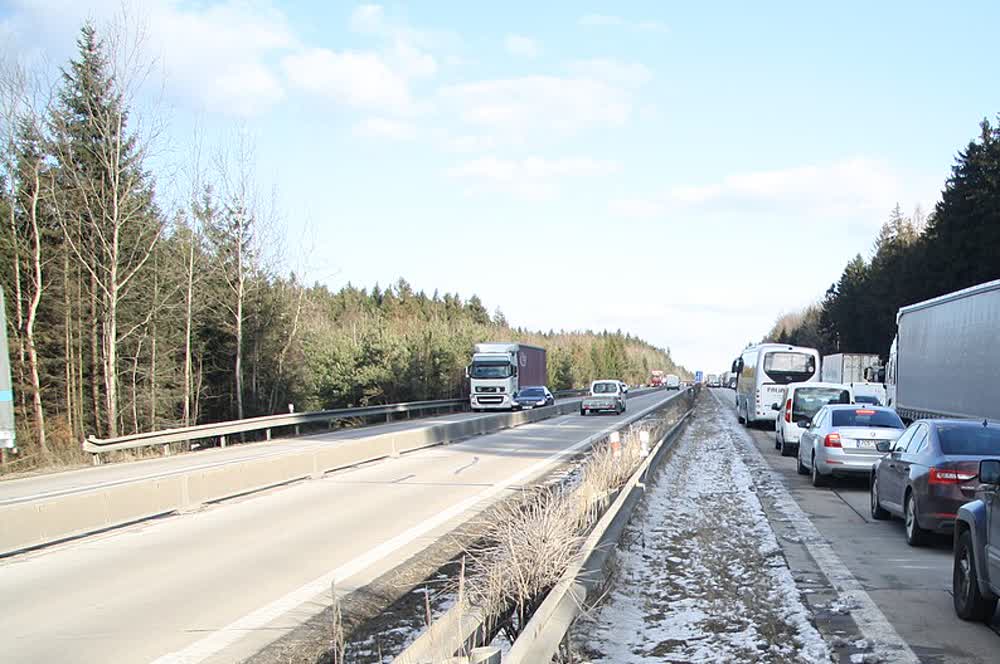
In a city, if a robotaxi is confused, it can slow down, pull over and wait for help. On a freeway, that is dangerous in itself. Stopping in a live lane invites a rear-end crash. Pulling over to a narrow shoulder may not be possible. The system needs a plan for when things go wrong that does not depend on coming to a halt. Engineers call this a minimal risk maneuver, and designing one for every freeway situation is complicated.
Other drivers are part of the puzzle
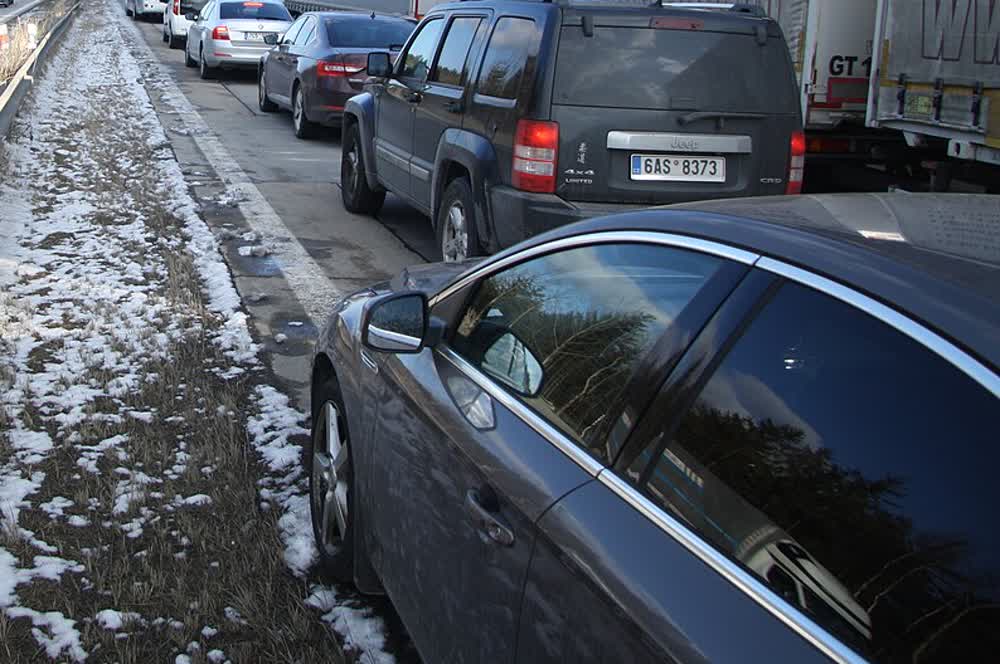
- Merging at speed requires predicting what nearby drivers will do and finding a gap.
- Aggressive lane changes and tailgating are common, and the car has to respond without overreacting.
- Drivers behave differently in different regions, so local tuning matters.
- A robotaxi that drives too cautiously can annoy others and even cause hazards by being slower than traffic.
Human drivers use eye contact, gestures and intuition to negotiate. When robotaxis drive on highways, a machine has only what its sensors detect.
Why bother, then?
Because freeways matter. Airports, suburbs and many job centers are connected by highways. A robotaxi that cannot use them is limited to slower, more expensive trips, and customers notice the difference. Letting robotaxis drive on highways means faster routes and more rides per vehicle each day, which affects the economics of the whole service.
How companies approach it
The sensible path to letting robotaxis drive on highways is gradual. Companies typically test with a safety driver first, then without passengers, then with employees, and only then with the public. They often limit freeway driving to certain roads, certain times of day or fair weather. Mapping helps: detailed maps of lanes, exits and construction can reduce surprises. Simulation allows a company to rehearse rare events millions of times without risk.
Regulators play a role in whether robotaxis drive on highways as well. Rules differ from state to state and country to country, and approval for city service does not automatically extend to highways.
Reading a freeway announcement
When a company says its robotaxis drive on highways, read the fine print before you cheer. Look for the details: which roads, which hours, what weather and whether a person sits behind the wheel. A limited pilot is a real step, but it is not the same as everywhere, all the time.
It also helps to watch how an operator talks about problems. Companies that publish plain accounts of what went wrong and what they changed tend to earn trust over time. Silence, or a stream of polished clips, tells you much less than a candid report about a hard day. Riders can ask the same questions. A plain answer about limits is a good sign. Vague answers deserve patience, not applause. Progress here will be measured in quiet months.
What riders should expect
If a robotaxi operator offers freeway trips, look at how it describes the service. Is it available all day or only in good conditions? Does it include a human fallback? What happens if the vehicle needs help? A responsible operator will answer those questions plainly.
The slow pace at which robotaxis drive on highways is not a sign of failure. It is a sign that the people building these systems understand that speed raises the cost of every mistake. Getting freeway driving right is less about flashy demos and more about proving, mile after uneventful mile, that the rare event will not catch the car off guard.
Header photo: Shuets Udono, Wikimedia Commons (CC BY-SA 2.0).
Related reading on this site: Why Car Rental Startups Struggle Against the Big Rental Brands and Flying Cars: How They Work and Why They Keep Not Arriving.