Every so often a famous entrepreneur is rumored to be eyeing the robotaxi business, and the headlines treat it as a simple matter of buying cars and adding an app. I cannot speak to any such plans. What I can do is walk through what launching a driverless ride service really requires, because it explains why so few companies have managed it. The demo is easy. The product is brutally hard.
The driving software and the vehicles
The software is the hardest part of any robotaxi business, by far. The system must perceive the world through cameras, radar and lidar, predict what other road users will do and plan safe motion. It must handle construction zones, double-parked trucks, emergency vehicles and the cyclist who ignores the rules. Building that takes years of engineering and enormous amounts of testing, both on real roads and in simulation. A company can develop its own stack or license one from a specialist. Licensing is quicker, but you then depend on someone else’s technology and roadmap.

Then the car. A robotaxi needs sensors, backup computers, redundant braking and steering, and a design that can be cleaned quickly between riders. Most operators start with an ordinary electric car and modify it, while some are designing purpose-built vehicles with no steering wheel. Cost matters a great deal. Sensor suites have become cheaper, but a robotaxi remains far more expensive than a normal car, and it has to earn that back through many paid rides.
The safety case and the operating area
Before carrying passengers, a robotaxi business must convince itself and regulators that the system is safe. That means millions of simulated miles and real test miles with safety drivers, documented procedures for what happens when the system is unsure, analysis of failure modes and fallback behavior, and continuous incident review.
A single serious accident can set a program back years, and public trust is fragile. That is why operators generally expand slowly.
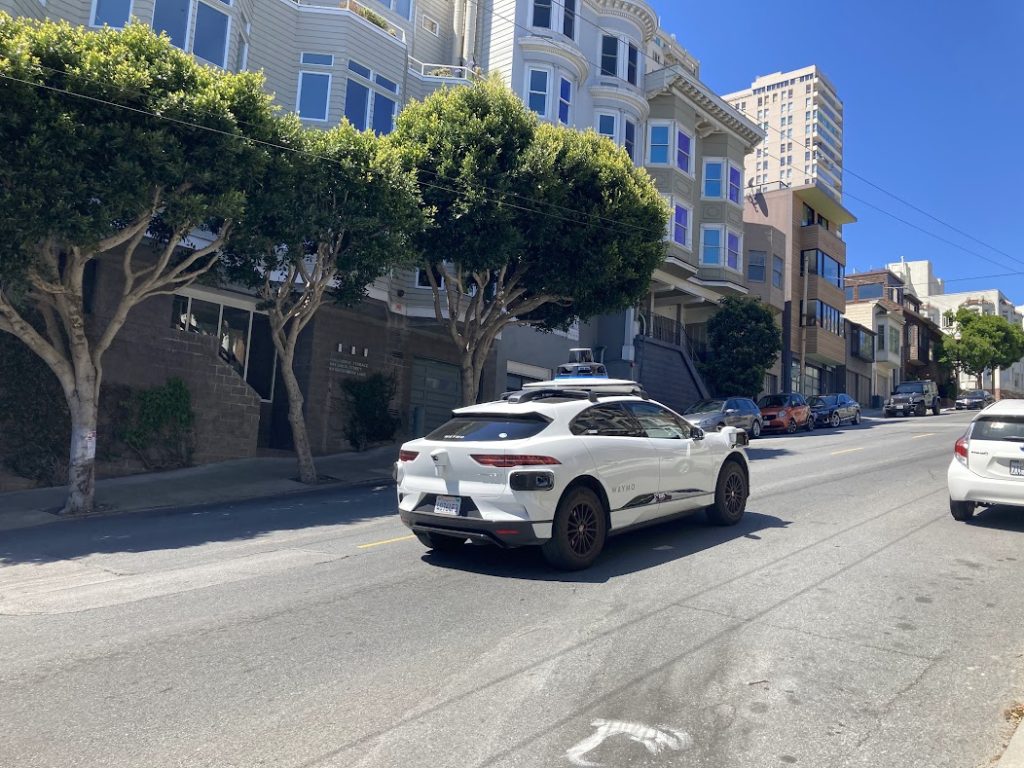
Most robotaxi business launches begin inside a defined zone with detailed maps and favorable conditions, such as limited rain and wide roads. They grow district by district. Expanding to a new city means collecting local data, testing and adapting to local driving habits. A left turn across traffic in one city can look very different in another, with different signals, different etiquette and different surprises.
Fleet operations, the part everyone overlooks
This is where much of a robotaxi business’s cost lives. A fleet needs depots for charging, cleaning and maintenance, technicians who can service sensors and software, remote assistance staff who help vehicles in unusual situations, response teams for breakdowns or stuck cars, and logistics to position vehicles where demand will be.
Running a hundred vehicles smoothly is a different challenge from running one. Picture a rainy evening when riders suddenly want cars near a stadium. Someone must have predicted it, charged the vehicles in advance and kept a few spare for the inevitable trouble. None of that appears in a glossy video of a car gliding down an empty street.
The rider experience adds another layer. An app handles hailing, pricing, pickup points and support, but trust is built in details. How does the car handle a pickup on a busy street? What happens if a rider leaves a bag, or a passenger feels unwell? Clear communication about what the car is doing and where it is going reduces anxiety, especially for first-time riders.
Regulation, politics and capital
Rules vary by country, state and city. Some places allow driverless testing with permits, some require a safety driver and some are still writing the laws. Operators must work with transport authorities, police, fire services and sometimes labor groups who worry about drivers’ jobs. Winning local acceptance often involves demonstrating benefits such as improved safety or access for people who cannot drive.
Between engineering, vehicles, depots and operations, a robotaxi business needs a vast amount of money for years before it can reach profitability. That is why the field has seen several well-funded companies scale back, merge or change strategy.
So why would a newcomer try the robotaxi business? Because the market is huge. Ride services and taxis represent a large share of urban transport spending, and the potential to cut labor costs is attractive. Established operators have a lead, but the market is not winner-take-all, at least not yet. Different cities and use cases might support more than one provider, and a newcomer with deep pockets and real strength in software or manufacturing could plausibly enter, especially through partnerships.
How to judge a robotaxi business announcement
Look for four things: a working vehicle, a regulatory permit, a defined city and a team with real autonomy experience. A concept or a rumor offers none of those.
It is also fair to ask how the robotaxi business plans to make money. Will the company own the fleet or partner with someone who does? Who handles cleaning and charging? How many riders per vehicle per day does the plan assume? Vague answers to these questions suggest the robotaxi business is being imagined from the outside.
Public patience is part of the robotaxi business budget too, because every stalled car makes the news. Anyone who says driverless service is simple is selling something, or has not tried it.
Related reading: What Happens to Customers and Charities When an EV Startup Fails and Why Car Rental Startups Struggle Against the Big Rental Brands.
Photos: JirkaBulrush (CC BY-SA 4.0, Wikimedia Commons); ESO/T. Preibisch (CC BY 4.0, Wikimedia Commons).