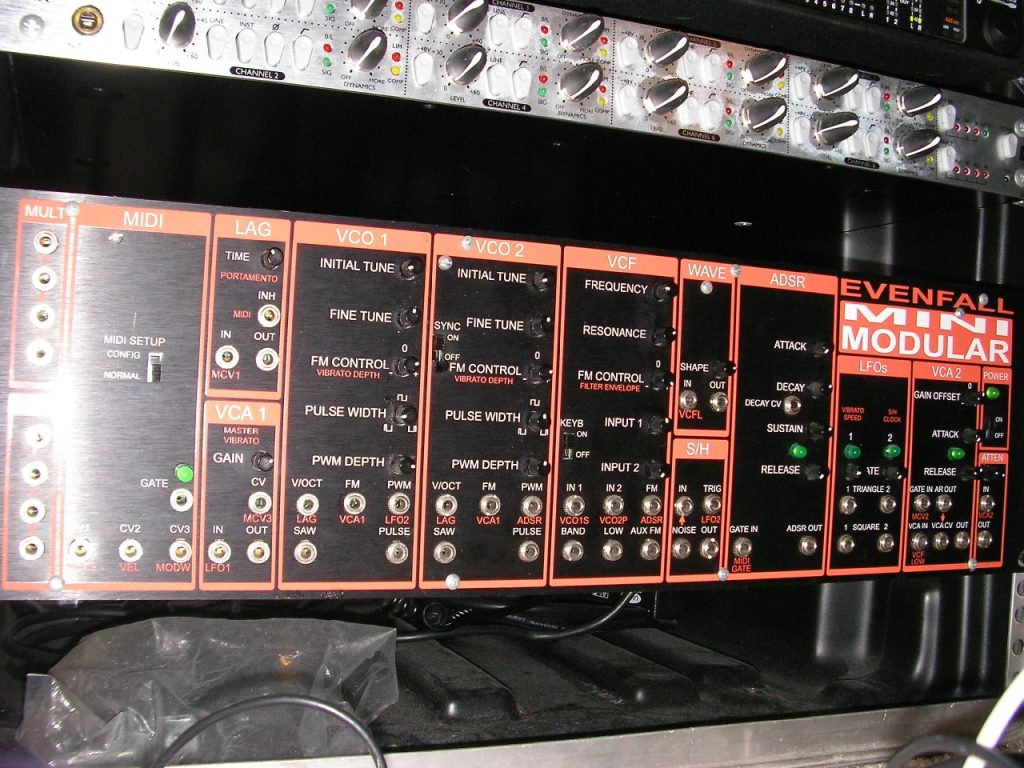
There is a drawer in most homes full of devices that died because one small part failed. A battery that no longer holds a charge, a cracked screen, a worn connector. The rest of the gadget was fine, and it went in the bin anyway. A modular gadget is built on the idea that this should not happen.
Each new modular gadget built from swappable modules, whether phone, speaker or portable personal device, arrives with a promise. Some succeed, many fade. The reasons are more about engineering and economics than about enthusiasm.

What a modular gadget really is
The word gets used loosely, so it helps to separate three levels.
Repairable. The product can be opened with ordinary tools, and parts such as batteries can be replaced with standard instructions. This is the minimum.
Upgradeable. A part can be swapped for a better version, such as a new camera module or a bigger storage unit, extending the useful life of the whole device.
Reconfigurable. The user can change what the product does by snapping on different attachments, a more ambitious idea that works best when the modules perform distinct jobs.
Most real products land on the first or second level. The third is attractive in marketing, harder in practice.
Why a modular gadget is harder to build than it looks
Every connection between modules is a place for something to go wrong. Connectors can loosen or collect dust. Seals that keep out water get complicated when there are more seams. Extra interfaces add weight and thickness, and consumers usually prefer slim designs. Engineers therefore trade off flexibility against durability, size and cost.
There is also a compatibility problem. A module only matters if the maker keeps producing it. If the company changes the connector in the next generation, last year’s upgrades become orphaned. Promises of long-term support are worth only as much as the company’s survival.
The result is that many a modular gadget costs more upfront than sealed alternatives, and buyers have to accept the bet that they will use the flexibility later.
A useful comparison is the desktop computer. Its parts follow open standards, so a graphics card or memory can be replaced without touching the rest, and a ten-year-old case can still hold current components. Compare that with a sealed laptop, where a failed battery can mean a trip to a repair shop. Part of the appeal of any modular gadget is to bring that desktop-style freedom to smaller devices, even when size makes it hard. The way a data center card differs from a gaming card, covered in inside a data center GPU, shows how much a standard slot can matter.
Price tells part of the story. Because sealed devices are cheaper to assemble, a modular gadget often costs more at checkout and only pays back if you keep it long enough to replace a part or two.
Where it earns its keep
- Items with a naturally short-lived part, like batteries or filters, where easy replacement matters.
- Tools and appliances intended to last a decade, when parts will inevitably need servicing.
- Niche products whose users want customization, such as keyboards, audio gear and hobbyist devices.
- Organizations buying in volume, who value cheaper repairs and less downtime.
Regulation is pushing in this direction too, and the right to repair debate is a big reason. Several jurisdictions have adopted or proposed rules that require replaceable batteries or availability of spare parts for certain electronics. Right-to-repair movements argue that making repair feasible reduces waste and gives consumers choice.
How to evaluate a modular gadget before buying
Ask a few practical questions.
- Which parts can actually be replaced, and are they sold separately at published prices?
- For how many years does the company promise to supply modules?
- Is the connector an open or documented standard, or proprietary?
- Are repair guides publicly available?
- Does the product keep its warranty and any water or dust resistance after you open it?
- What happens to the swapped-out part, and is there a take-back program?
It also pays to check independent teardown reviews. Reviewers who open the device and score its repairability give a more honest picture than a launch video.
Finally, think about accessories and ecosystem. A modular device with a thriving set of third-party add-ons is usually safer than one that relies on a single maker for everything. Third-party support suggests the interface is open enough to outlive a product line, and gives you somewhere to turn if the original supplier moves on.
If you are shopping on a tight budget, the choice is rarely about modularity alone. Our comparison of a budget laptop and a Chromebook shows the same logic: match the device to what you will actually do, then ask how long it will last and how easy it is to service.
The honest verdict
A modular gadget is not a magic fix, and a product that advertises it can still be flimsy or abandoned. But the underlying instinct is right: if a gadget is going to sit in your life for years, it ought to be possible to fix it. Choose the ones where the company has made that easy with real documentation, real parts and a track record of delivering them.
Image: j bizzie from MINNEAPOLIS, USA / Wikimedia Commons, CC BY 2.0.