Training a large AI model takes an enormous amount of computing power, and few organisations own enough of it. That single fact explains why some of the biggest deals in technology pair an AI lab with a cloud provider, and why the Microsoft OpenAI partnership became the best-known example.
Understanding the Microsoft OpenAI partnership does not require insider figures. The broad shape is public, and it applies to many similar deals.
Compute is the scarce ingredient
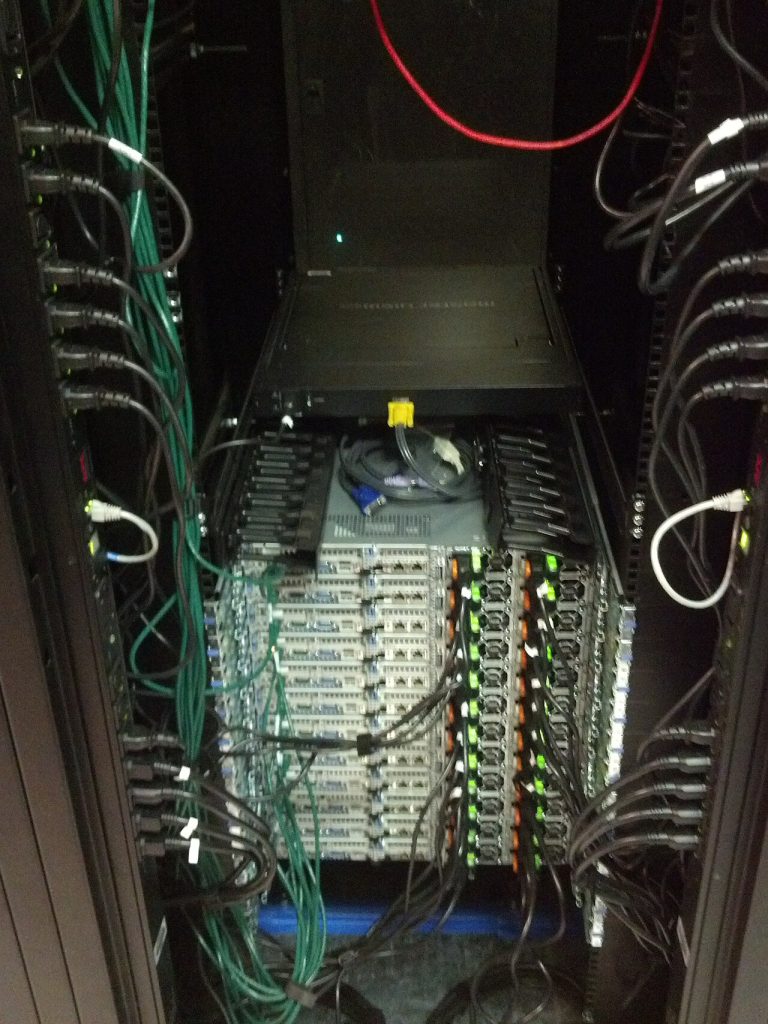
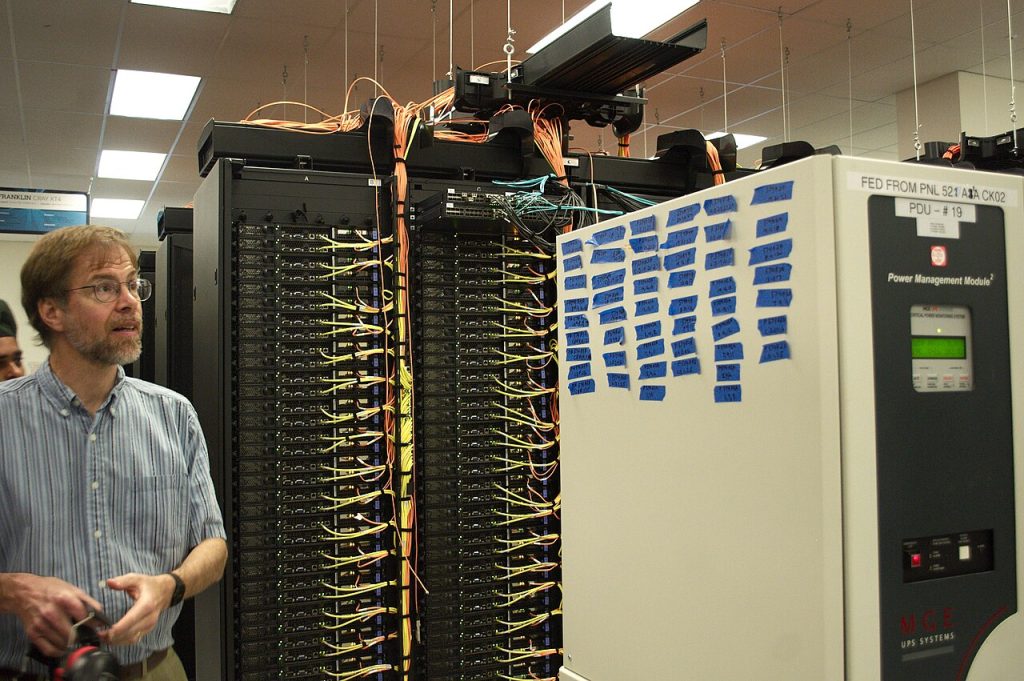
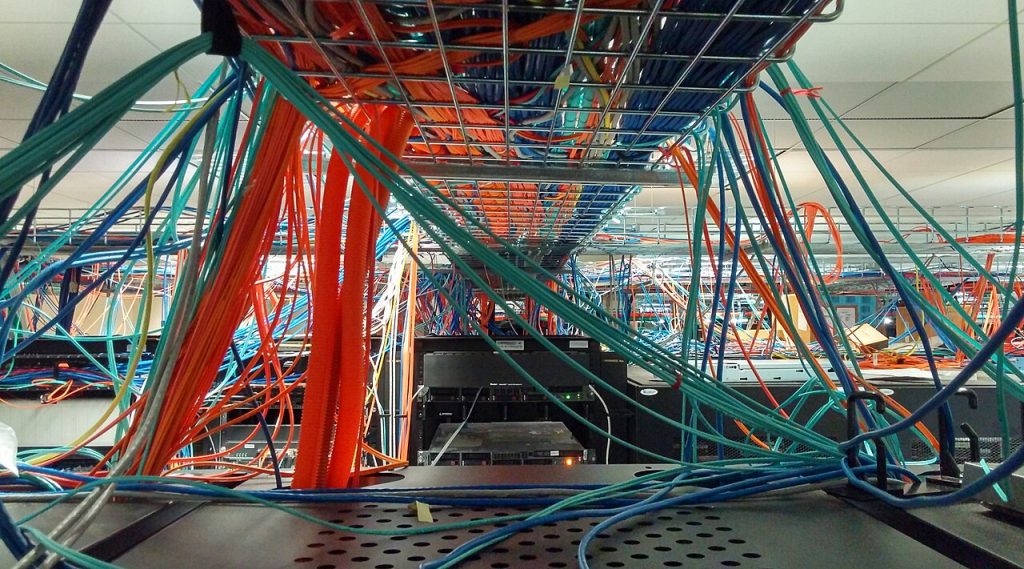
Think of an AI lab, such as OpenAI, as a team with brilliant recipes and no kitchen. Building a leading model needs vast clusters of specialised chips, reliable networking, cooling and engineers to keep it all running. Buying and operating that infrastructure is a huge up-front cost with a long payback.
A cloud provider already has that kitchen, or the money and expertise to build one. So the natural trade is capacity in exchange for something valuable. The lab gets the computing it needs without building everything itself, and the cloud company gets a flagship customer whose success makes its platform look attractive to everyone else.
This is why a large share of investments in deals like the Microsoft OpenAI partnership is often described as being paid back in cloud services rather than moving as pure cash. Money goes in, and a good portion comes back as spending on the provider’s own infrastructure.
How the Microsoft OpenAI partnership earns for both sides
A deal like the Microsoft OpenAI partnership usually has several separate revenue threads, which is why a single headline number rarely tells the whole story.
The first is infrastructure. When the lab trains and runs its models on the partner’s cloud, that usage is a paying workload for the provider. The more popular the models become, the more capacity they consume.
The second is licensing and product integration. The cloud company can offer the lab’s models to its own customers through its platform, and build them into its software products. A business that wants a chatbot, a coding assistant or a document summariser can buy it from a vendor it already trusts, rather than negotiating with a young AI company.
The third is revenue sharing. In broad terms, when products built on the models earn money, the partners divide some of it according to a contract. The exact terms of the Microsoft OpenAI partnership are private and have changed over time, so it is wise to treat any specific percentage you read online with caution.
A worked example
Imagine a mid-sized company that wants to add an AI assistant to its customer service system. It already pays a large cloud provider for storage and databases, so it asks that provider for a ready-made model service.
The company signs up, pays by usage, and its data stays in the environment it already uses. Behind the scenes, the cloud provider runs the model on its own hardware and pays the lab a licence or share according to their agreement. The customer sees one bill. The lab sees a distribution channel it could not have built quickly. The provider sees extra consumption of its platform.
Everyone gains a little, and the company gains the most from not needing to assemble the parts itself. That is the logic behind most enterprise AI sales.
A second example comes from the lab’s side. A startup building a coding assistant may begin on one provider because credits and support are generous. If its models grow popular, it faces a decision: stay and accept tighter integration, or spread workloads across several providers to keep bargaining power. Both choices are common, and both change who captures the profit.
It also helps to remember that cloud revenue is recognised over time. A multi-year commitment to buy computing is a promise of future income for the provider, which is part of why such announcements matter to investors long before a single product ships.
The tensions underneath
The Microsoft OpenAI partnership is not a simple friendship. The two parties are partners and competitors at the same time. The cloud company may build its own models or support rival labs. The lab may want to sell directly to customers, or to use other providers for extra capacity.
Dependence cuts both ways. A lab that relies on one provider for computing is exposed if the relationship sours, and a provider that bets heavily on one lab risks being tied to its fortunes. Regulators in several regions have taken an interest in whether such deals reduce competition, which is one reason structures are often adjusted over time.
For this reason, many labs now work with more than one cloud, and many cloud companies hedge by backing multiple model developers. The tidy two-party picture is becoming a web of overlapping agreements.
What to take from it
If you are a business buyer, the practical lesson of the Microsoft OpenAI partnership is that the model you use and the cloud you run it on are often linked commercially. That can mean convenience and sensible pricing, but it also means checking contract terms around data handling, uptime and what happens if the underlying partnership changes.
If you are simply trying to read the news, a good rule is to ask three questions of the Microsoft OpenAI partnership or any AI-and-cloud deal. Who provides the computing? Who sells to the end customer? And who keeps the money when something succeeds? The answers usually reveal that the real product is not only the model, but the whole arrangement around it.
Related reading: Why So Many Companies Struggle to See a Return on AI and How AI Compute Gets Financed: Debt, Leases and the GPU Boom.
Photos: D Coetzee (CC0, Wikimedia Commons); Kbh3rd (CC BY 4.0, Wikimedia Commons).