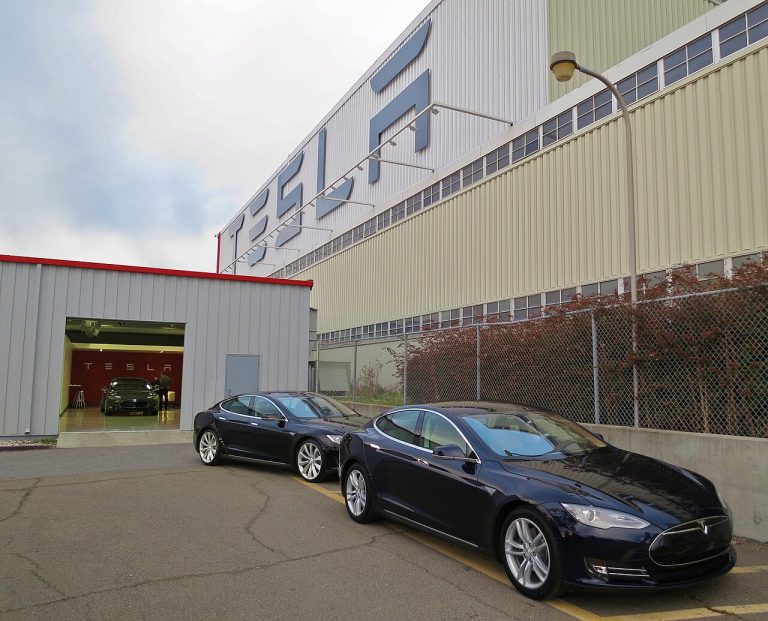
Few promises in technology have slipped as often as the date for driverless taxis. Several companies have named a start date, then moved it as technical, legal and safety questions proved harder than expected. So when a carmaker says it will begin operating or selling robotaxis by a certain year, how should you read it? Not with blind belief, and not with a shrug. A robotaxi launch promise can be tested, and this guide shows how, whoever is making it.
Decode the wording of a robotaxi launch promise
Words such as launch, rollout, pilot and availability are used loosely, and they can mean very different things. A demo is a controlled ride, often on a fixed route, sometimes with staff inside. A pilot is a limited service for a small group of invited users or a small area. A public service lets ordinary people hail a ride in a defined zone, with fees and published rules.
Selling vehicles to customers is yet another thing. It raises questions about who is responsible in a crash, who maintains the car, and what the owner is allowed to do with it. An announcement that does not say which of these it means leaves a lot of room to wriggle.
Also look for who is in the driver’s seat. Some services run with a safety operator on board, some with a remote helper watching, some with nobody. Each is a different stage of maturity, and a promise that skips this detail is hiding the most important one.
Check the level of automation
Engineers describe driving automation on a scale from none to full. In the lower and middle levels, a human must supervise and be ready to take over at any moment. Only at the top levels does the system handle the whole journey without any human attention, and then only within a stated set of conditions, called the operating domain.
That domain matters enormously. A system that works in one sunny, well-mapped district may not cope with snow, a different city or a complicated airport. Ask where, when and in what weather the promised service will run. Any robotaxi launch promise worth trusting names its zone, its hours and its limits. A claim that sounds national may in reality cover a few square miles. The outline of the scale is laid out in the Wikipedia article on self-driving cars, and it is worth reading once so the terms stop sounding like marketing.
For a sense of how hard it is to add a city, see our explainer on how robotaxis learn a new city.
Follow the permission trail
Operating a driverless service on public roads generally requires approval from local or national authorities, and the rules differ by place. Before a robotaxi launch promise becomes real, there are usually permits to apply for, safety data to show and conditions to meet. A date that ignores this process is a hope, not a plan.
Look for evidence that the process has started. Has the company said it has applied? Has a regulator said anything publicly? Are test vehicles already running in the area, with or without a safety driver? Concrete steps are far more convincing than a confident date, and a robotaxi launch promise with none of them deserves caution. Our overview of how robotaxis get regulatory approval walks through the stages in plain terms.
Ask whether the robotaxi launch promise adds up
Even a technically ready system has to pay its way. Vehicles, sensors, remote support, depots, cleaning, insurance and charging all cost money. A service that can only run at a loss, or only with heavy subsidies, may be shut down quickly, however good the launch event looked.
Listen to how the robotaxi launch promise is framed. Does it talk about fleet size, hours, pricing and customer support, or only about the technology? Specifics suggest a company that has done the sums. Vagueness suggests marketing.
It also helps to look at track record. Has this company hit earlier targets? Did the last promised date arrive on time, and did the thing that arrived match what was described? A history of slipping dates does not mean the next one will fail, but it is fair evidence.
A short checklist you can keep for any robotaxi launch promise. Run through it each time a new date is announced, and write down the answers, because the gaps are usually more telling than the claims:
- Which stage is it: demo, pilot or public service?
- Where, when and in what weather will it run?
- Is a human on board or watching remotely?
- Which permits are needed, and have they been granted?
- Does the plan include numbers for cost and scale?
None of this means a robotaxi launch promise is false. Some are kept, and driverless rides are already real in limited areas. The point is to read the promise for what it actually commits to. A narrow, specific, dated claim from a company that shows its permits deserves more weight than a sweeping one. Use the checklist, wait for the first public rides, and let the service speak for itself. Early riders will report how long the waits are, where the car refuses to go and how often a person steps in. That firsthand evidence is worth more than any keynote.