Brands famous for extreme, lightweight machines sometimes release something calmer: a two-seat coupe with a proper boot, a softer ride and a quiet cabin. That is a grand tourer, usually shortened to GT. The idea is old, and manufacturers keep returning to it because the recipe suits how most people actually use fast cars. If you have wondered what separates a grand tourer from a supercar or an ordinary sports car, here is a clear way to think about it.
Where the grand tourer name comes from
The term comes from the Italian gran turismo, meaning a car built to cover long distances quickly and in comfort. The classic picture is two people and their luggage leaving a city in the morning and arriving in another country by evening, rested rather than rattled. Speed matters, but so does what state you are in when you arrive.
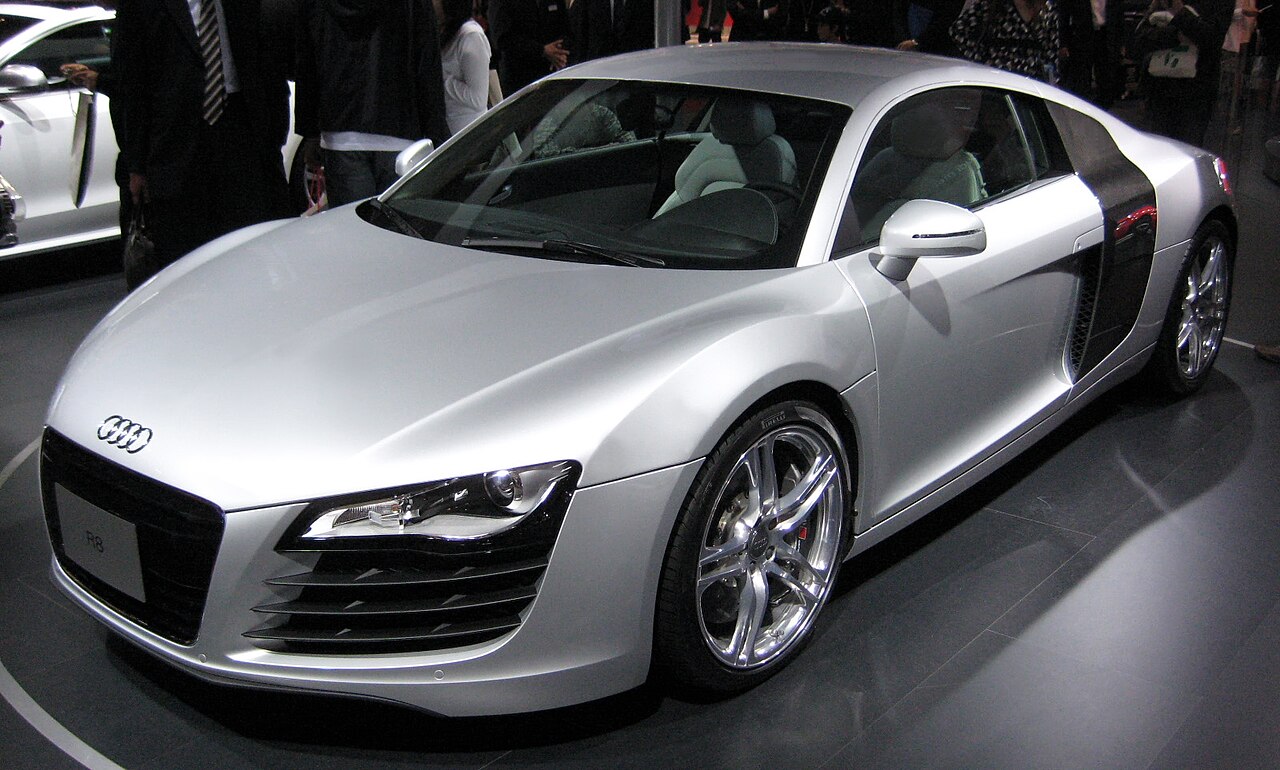
There is no official definition, so the badge can be stretched. Still, most cars that earn the label share a handful of traits. They have two seats, or two plus two small rear seats useful for children or bags. They have real luggage space, because a grand tourer that cannot carry suitcases misses its own point. The suspension is firm but forgiving, and many have adjustable dampers with a softer and a sharper setting.
Power is strong and flexible. The character is easy, effortless pace rather than the lowest possible lap time, so a grand tourer should pull hard at motorway speeds without feeling frantic. Inside, you expect seats you can sit in for hours, decent noise insulation and good visibility. Materials and controls matter more here than in a stripped racer.
Grand tourer or supercar: the real difference
A supercar puts performance and drama first. Low roofs, wide bodies, stiff suspension and aggressive aerodynamics make it thrilling and demanding. Getting in and out can be awkward, parking is stressful, and a long drive can tire you out.
A grand tourer trades a little of that edge for ease of use. It might be somewhat heavier and a touch less sharp at the limit, but you can use it daily without thinking about it. The supercar asks you to adapt to it. The GT adapts to you.
Against an ordinary sports car the contrast is different. A traditional sports car is usually smaller, lighter and cheaper, and aims at driver involvement more than long-distance ease. A grand tourer is generally larger, more luxurious and more expensive, with extra emphasis on refinement. The boundaries blur, and makers use the label as a marketing tool, so judge each car on its features rather than its badge.
Layout and power change the grand tourer recipe
Where the engine sits shapes everything. A front-engined layout leaves room behind the seats for luggage, which is why so many classic grand tourers have the engine under a long bonnet. A mid-engined layout puts the engine behind the passengers, as in most supercars, which improves balance but eats storage. Some makers have kept a mid-engine layout and still carved out a boot through careful packaging, which shows the line between categories is a matter of design choices, not a rule.
Electric power changes some trade-offs. Electric motors deliver strong, smooth acceleration, which suits the GT character very well. Batteries add weight, though, and charging stops matter on long trips. For a car whose whole purpose is covering distance, the quality of the charging network along your route is part of the specification. A grand tourer that needs a long wait every two hours has missed its brief.
The same goes for hybrids, which try to offer long range and strong output together. Whether the result feels relaxed or complicated depends on how smoothly the two power sources work together, and that is something only a long test drive reveals.
If you are thinking of buying a grand tourer
Test it on a long drive, not a ten-minute loop. Pay attention to seat comfort, wind noise and how you feel after an hour. Bring your actual luggage to the dealer, since specification sheets quote boot volume but shape is what matters. Try the suspension in both modes on a rough road, and check practical points such as ground clearance for steep driveways and visibility when reversing.
Check running costs too. Tyres, insurance and servicing for high-performance cars are usually far higher than for ordinary models. Think about depreciation as well; some limited models hold value while others lose it quickly.
The word on maintenance is simple: ask what a major service costs before you sign, and ask who is allowed to do it. Specialist cars often need specialist workshops, and distance to one can matter more than the headline price.
For background on the category, Wikipedia’s article on the grand tourer traces its history. If you are weighing costs for any big-ticket vehicle, our piece on comparing what you actually pay for a ride shows how to think about the numbers.
The grand tourer idea sticks around because most drivers do not spend weekends on a race track. They spend them on motorways and country roads, with a bag in the back and somewhere to be. A car designed for that, fast when you want it and calm when you do not, has an obvious logic. It may lack the extreme theatre of a supercar, but you are more likely to use it, and that is the point.