Ask ten people about Holland and you will get ten slightly different answers, and most of them will mean the whole country. Strictly speaking that is not quite right, but it is also not a disaster. Here is the short version: the shorter name is a region, the Netherlands is the country, and everyday speech blurs the two constantly, including in the country itself.
Is Holland the same as the Netherlands?
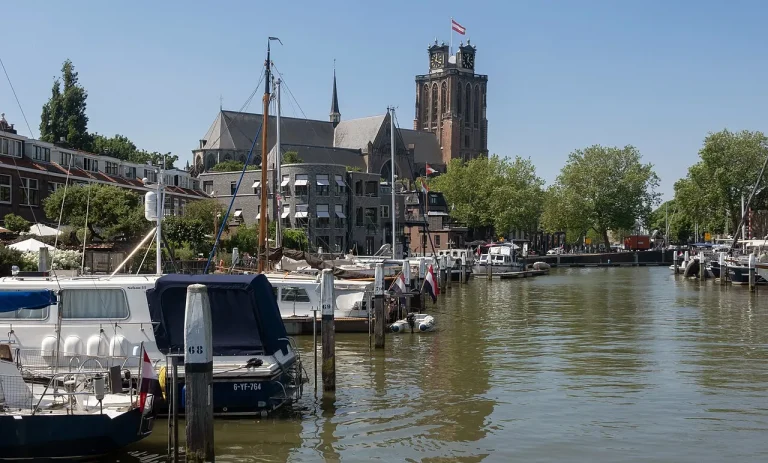
Not exactly. The country is officially called the Netherlands, and it has twelve provinces. Two of those provinces, North Holland and South Holland, make up the historic region that gave the shorter name its life. Those two provinces contain Amsterdam, Haarlem, The Hague, Rotterdam, Leiden and Delft, which means they hold most of the cities, museums and landmarks that first-time visitors want to see. That is why the name caught on abroad: that region was the economic and political centre for centuries.
Provinces such as Friesland, Groningen, Limburg, Zeeland and Utrecht are not part of that region. People from there may politely correct you, especially in the south and north, where regional pride is real. It is not a huge offence, but the correct word makes a better impression.
Why the shorter name stuck
For a long time the region dominated trade, shipping and finance. Merchants from Amsterdam and nearby ports travelled the world, and foreign traders naturally used the name of the area they dealt with. The word spread widely in English and some other languages, and it never fully went away. You can see it in tourist branding, in sports chants and in the way many locals talk casually about their own country when speaking to visitors.
The official name of the national football team and the tourism marketing have gone back and forth on this over the years. In recent times, the national tourism board has deliberately shifted toward the Netherlands in its branding, partly to get visitors out of the big cities and to the rest of the country. That shift is worth knowing if you think the name is just trivia: there is a real reason behind it.
The small words that cause confusion
Three more terms often get tangled up in conversation:
- Dutch: the adjective and the language for the whole country, not only for the western region. It is perfectly correct to call someone from Groningen or Maastricht Dutch.
- Netherlands: the country, which also, in the formal sense, belongs to the wider Kingdom that includes some Caribbean islands.
- The Low Countries: a broader historic term covering the Netherlands, Belgium and Luxembourg.
If that last one feels like trivia, it comes in handy in Belgian or Luxembourg conversations, where lumping everyone together can go down badly. Keeping the terms apart avoids a surprising number of awkward moments.
What to say when you travel
The simple rule is this: use the Netherlands for the country and Dutch for the people and the language. Use the short name for the western region or, informally, when you are echoing what a local just said. Nobody will be angry if you slip. Many locals use the short form themselves when they are talking to tourists, because they know that is the name you recognise.
On a practical note, you will meet both names on signs. Train stations, airports and official documents tend to say the Netherlands. Souvenir shops, hotel names and tourist offers often prefer the short name, because it is short, memorable and sells postcards. If a website offers a Holland pass, a city tour or a bike route, it is usually just using the familiar label for the broader country, though read the small print to see what area it really covers.
What each name suggests to visitors
For many people, the short name conjures a specific postcard: tulips, windmills, wooden clogs, canal houses, cheese markets. Some of that is genuinely there, particularly around the bulb fields in spring, around Kinderdijk and in markets such as Alkmaar. The full country is more varied than that. It has tidal flats, big modern ports, forests, student cities, Limburg hills, Zeeland beaches and a surprising amount of design and architecture. If your idea of a trip is only the postcard, you can happily build one, but you will miss a lot.
A good compromise is to base yourself in the western region for the classic sights, then add a day trip beyond it. Utrecht, Arnhem, Zeeland or even a short hop to the north will show you why a single name never quite fits.
The short answer
If somebody wants a one-line version to repeat at a party: the Netherlands is the country, the short name belongs to the famous western part of it, and the two names are used interchangeably more often than strictly allowed. Learn the difference, use it when it matters, and relax when it does not. The people who live there have long since made peace with the confusion, and they will usually take your curiosity as a compliment.
More from us: The Netherlands.