Building cars is brutally expensive. Designing a vehicle, tooling a factory, certifying safety, building a supply chain and a sales network can swallow billions long before the profits arrive. That is why you so often hear about new investors buying into electric car startups. When a large backer adds to its stake, what does it really change?

Why electric car startups keep needing money
A conventional automaker earns from decades of established models, brand loyalty and scale. A newer maker such as one of the electric car startups usually has none of those. It spends heavily to design a platform, secure battery supplies and ramp production, while selling relatively few vehicles at first. Each additional car can cost more to make than it earns until volume rises.
For electric car startups, the result is a repeating cycle. The company raises cash, uses it to scale, and then needs more. Investors who are willing to keep supporting that cycle are hugely important.
What kinds of investors show up
Not all money behaves the same way.
- Venture funds and growth investors, who want a return and expect a path to a public listing or sale.
- Sovereign and state-linked funds, which can invest large sums over long periods and often have broader economic goals, such as building a domestic industry.
- Industrial partners, such as battery or technology suppliers.
- Public market investors, who buy shares on an exchange and can sell at any time.
A sovereign or strategic backer can be a stabilizing force for electric car startups because it has deep pockets and patience. It can also carry questions about influence and priorities.
Does a bigger stake mean control?
Not automatically. A minority holder cannot dictate decisions, but it may have rights: seats on the board, approval over certain deals, or the power to block a sale. The numbers matter less than the legal agreements behind them.
When one holder owns a very large share, that investor often decides the outcome of major votes in practice. That can help the company make long-term plans. It can also reduce the voice of smaller shareholders. If you follow a public company, check its filings to see who the largest holders are and what governance arrangements exist.

What it means for customers
For someone thinking about buying a car from one of the electric car startups, investor news is a signal about survival. A well-funded maker is more likely to honor warranties, release software updates and keep service centers running. A company that struggles to raise money may cut staff, delay models or reduce support.
That does not mean funding guarantees success. Several well-financed carmakers have still failed or been forced to restructure. Product quality, manufacturing efficiency and demand all matter. Before buying from electric car startups, look at the whole picture: service availability, parts supply, reviews from long-term owners and the terms of the warranty.
What it means for shareholders
Fresh investment can reassure the market for electric car startups, but there are trade-offs.
1. New shares dilute existing holders unless the investor buys existing shares instead.
2. The price paid, and whether it is at a premium or a discount, indicates how the investor values the company.
3. Terms attached to the investment, such as preferred rights, can matter more than the headline.
4. Funding extends the runway, but not forever. Ask how many quarters of cash the company has.
Be cautious about headlines that treat a stake as a verdict on a company’s future. An investment is a bet by one party with its own motives.
Strategic reasons behind the money
Governments and large funds often invest in electric car startups for reasons beyond the return. They may want local manufacturing jobs, battery supply security, technology transfer or a position in the energy transition. These goals can align with a company’s growth. They can also create pressure, such as locating a factory in a particular place.
What to watch next in electric car startups
- Whether production volumes actually rise.
- Gross margin per vehicle, a measure of whether each car makes money.
- Cash burn and the time before the next funding round.
- Delivery of promised models on schedule.
- Charging, software and service quality.
- Regulatory shifts such as incentives, tariffs and emissions rules, which can change demand overnight.
How a buyer can use funding news
If you are thinking of buying from a newer brand, treat funding news as one input among several. A fresh round buys time, but you still need to know whether the dealer or service network near you is real and staffed.
Ask how long repairs take, how parts reach local shops and what happens to the warranty if ownership changes. Electric car startups that answer these questions plainly are usually the ones thinking beyond the next investor announcement. A short call to the sales team or a look at the owners’ forums can answer most of this in an evening.
The short version
Investor stakes matter because carmaking runs on capital. A big backer can buy time, add credibility and influence strategy, but it does not make a poor product good. For buyers, it hints at staying power. For shareholders, it is a piece of information to weigh with margins, volumes and governance. Read the filings, ignore the hype, and remember that in the car business, surviving long enough to build at scale is the whole game.
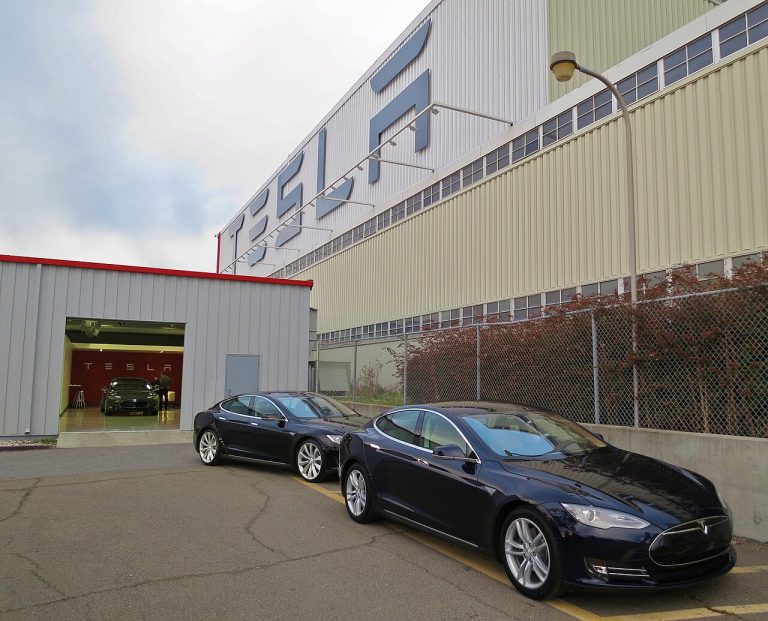
Header photo: original: Michael Movchinedited by Felix Müller, Wikimedia Commons (CC BY-SA 3.0).
Related reading on this site: Why Car Rental Startups Struggle Against the Big Rental Brands and Why Electric Truck Startups Struggle to Deliver.